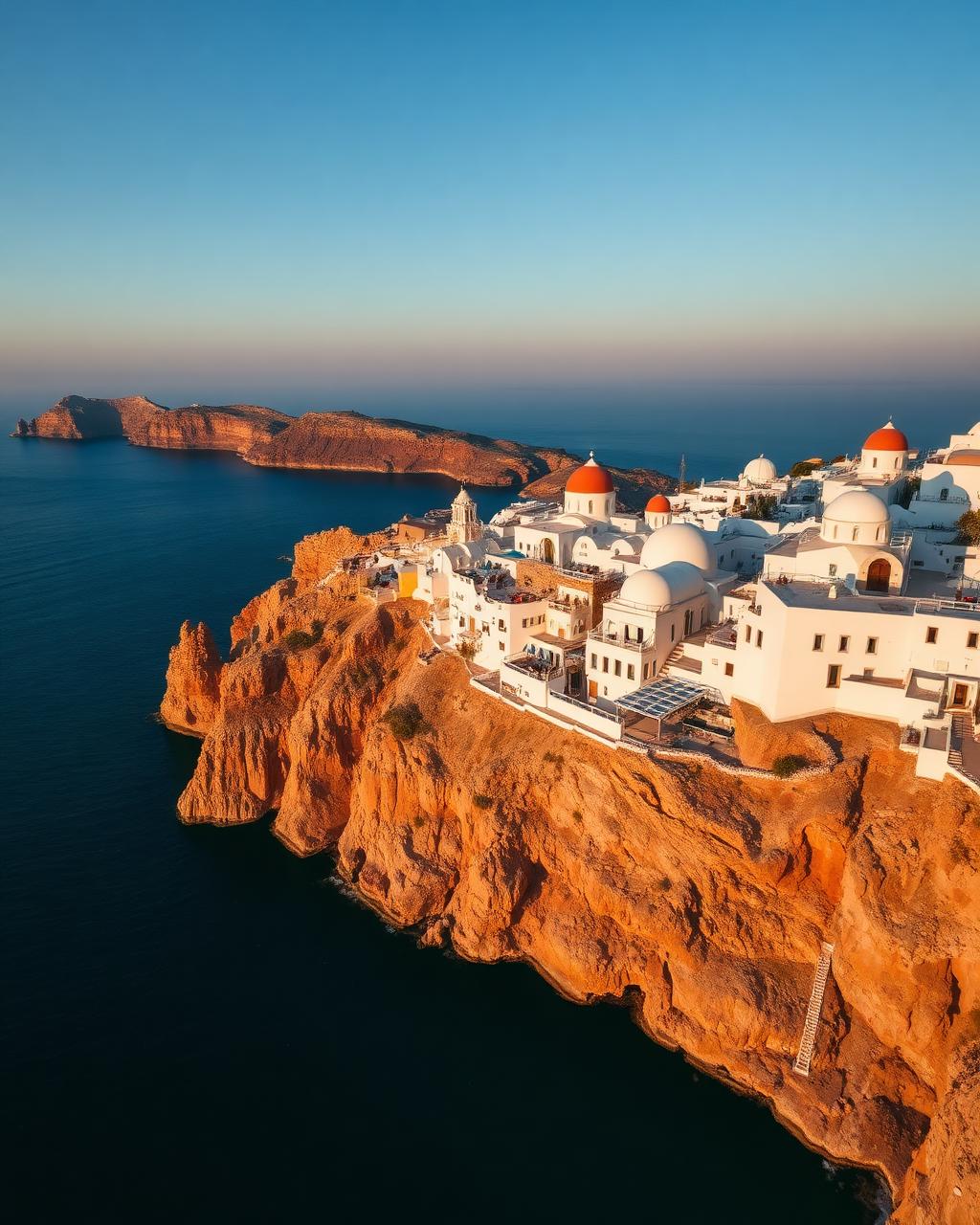
Alzira
Outdoor first: hikes by day, fireside dinners by night.
Bounded by the limestone crags of the Sierra de Corbera and the slow-moving Xúquer river, Alzira breathes with the scent of orange blossoms and sun-baked earth. This Valencian enclave is built for the rugged soul, where days dissolve into the steep ascent of the Murta Valley toward the historic ruins of the Santa Maria monastery. You will navigate the medieval twists of the Vila district while the local market bustle provides a soundtrack of citrus carts and sharp dialect. Autumn offers the sharpest clarity for reaching the Cavall Bernat summit, followed by the reward of an unapologetically smoky Arros al Forn. As the Mediterranean sun dips behind the mountain silhouettes, the town shifts gear into a rhythm of crackling hearths and robust Ribera Alta wines that anchor you to the landscape.
Best time to visit Alzira
The best time to visit Alzira is generally summer for easier access, or winter for dramatic light and solitude. Peak season pushes prices and crowds up; shoulder season is almost always the smarter trade-off — you'll find the same restaurants open, the same scenery, and noticeably better hotel value on Booking.com.
How to get to Alzira
Alzira is in Spain, Europe. Most major European hubs connect by direct flight or high-speed rail, with frequent low-cost options from London, Paris, Amsterdam and Madrid. Once you arrive, allow a day to settle in — most travellers underestimate jet lag and over-pack day one.
Things to do in Alzira
Plan your days around hiking, wildlife spotting, scenic drives and photography. Build in at least one slow morning; the best memories rarely come from packed itineraries.
Where to stay in Alzira
On Booking.com, properties in Alzira start from around $150 per night. Filter by guest review score (8.5+), free cancellation, and your preferred neighbourhood. Booking close to the centre saves transit time and almost always pays for itself in extra hours actually enjoying Alzira.
Alzira travel FAQs
- Which season offers the best conditions for mountain hiking?
- October through April is ideal, as the cooler temperatures make the exposed climbs of the Muntanya de la Casella manageable without the brutal summer humidity. Late February is particularly striking when the valleys begin to flush with green and early almond blossoms appear against the grey limestone.
- How should I navigate the terrain between the town center and the nature reserves?
- While the Vila is walkable, a rental car is essential for reaching trailheads like the Font de la Quintana or the deeper reaches of the Murta Valley. Local cycling is popular, but be prepared for significant elevation gains and gravel tracks that require a dedicated mountain bike.
- Where is the best area to base myself for an outdoor-centric trip?
- Look for rural 'casa rurals' on the periphery toward the Corbera range rather than central hotels to ensure immediate trail access. Staying near the edges of the urban sprawl allows you to bypass morning traffic and wake up directly within view of the jagged ridgelines.
- Is there a specific local dish I should seek out after a day on the trails?
- Request the Reganyà, a traditional flatcake topped with pumpkin, which serves as a dense and portable energy source for hikers. For dinner, prioritize restaurants serving authentic Paella Valenciana cooked over orange wood branches to experience the specific smoky depth unique to this citrus-growing region.