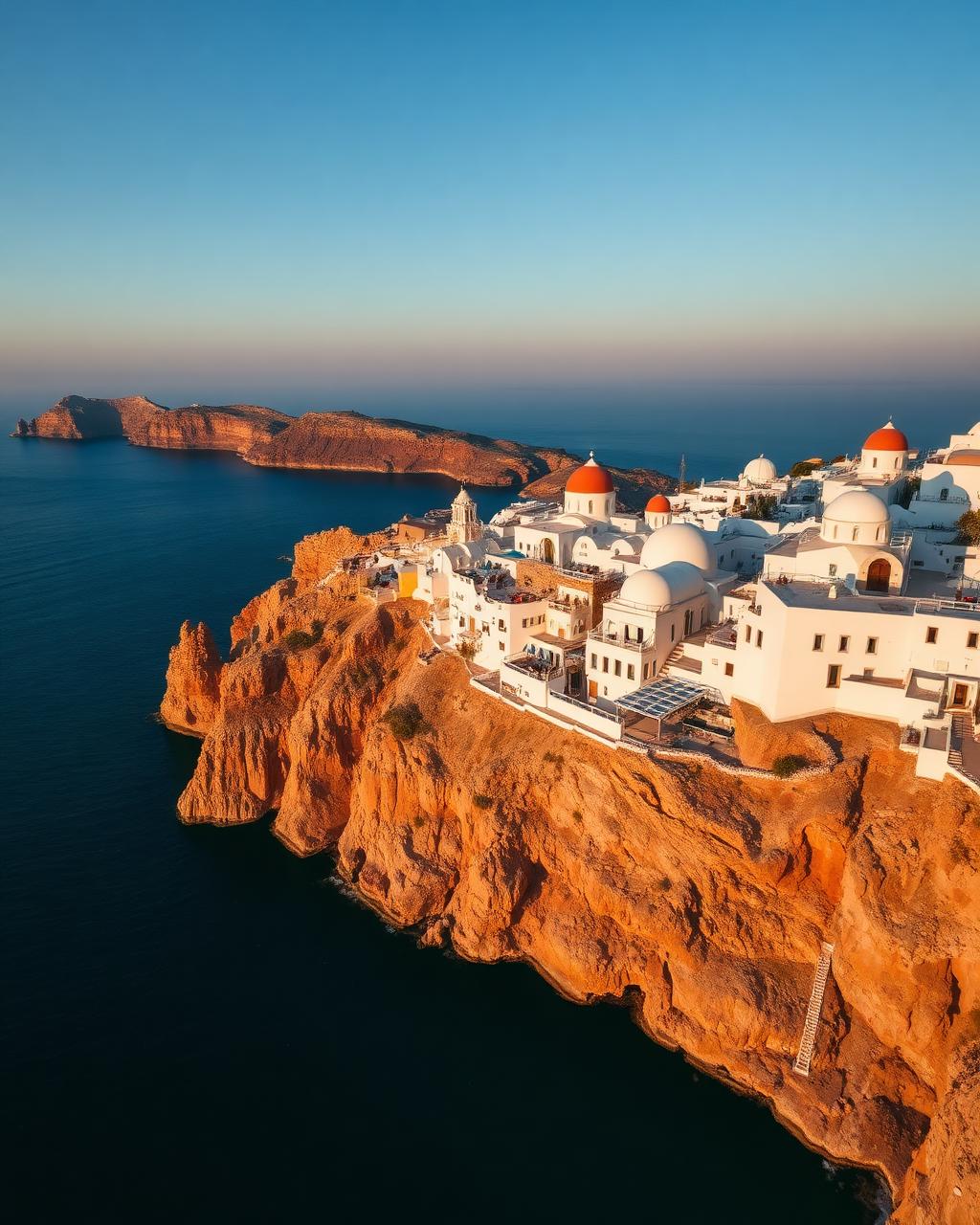
Antequera
Where you trade screen time for skylines made of peaks.
In the white-walled heart of Andalusia, Antequera trades screen time for skylines defined by the limestone crests of El Torcal. You wake to the chime of church bells from some thirty-odd steeples and the scent of toasting molletes drizzled in cold-pressed olive oil. Wander the steep alleys of the El Portichuelo district, where the Moorish Alcazaba stands sentinel over a valley of silver-green olives. The air carries the sharp, mineral smell of the karst plateau nearby, a prehistoric seabed now frozen into pillars of stone. Here, the seasons shift from the intense July sun baking the bronze Dolmens to the crisp winter afternoons when the shadow of the Peña de los Enamorados stretches across the plains. It is a place of visceral silence and deep, geological time.
Best time to visit Antequera
The best time to visit Antequera is generally summer for easier access, or winter for dramatic light and solitude. Peak season pushes prices and crowds up; shoulder season is almost always the smarter trade-off — you'll find the same restaurants open, the same scenery, and noticeably better hotel value on Booking.com.
How to get to Antequera
Antequera is in Spain, Europe. Most major European hubs connect by direct flight or high-speed rail, with frequent low-cost options from London, Paris, Amsterdam and Madrid. Once you arrive, allow a day to settle in — most travellers underestimate jet lag and over-pack day one.
Things to do in Antequera
Plan your days around hiking, wildlife spotting, scenic drives and photography. Build in at least one slow morning; the best memories rarely come from packed itineraries.
Where to stay in Antequera
On Booking.com, properties in Antequera start from around $145 per night. Filter by guest review score (8.5+), free cancellation, and your preferred neighbourhood. Booking close to the centre saves transit time and almost always pays for itself in extra hours actually enjoying Antequera.
Antequera travel FAQs
- When is the best time to experience the karst landscapes of Antequera?
- Spring and autumn offer the most reliable hiking conditions, especially in El Torcal, as summer temperatures often exceed 35°C on the exposed stone paths. Visiting in May ensures the wildflowers are in bloom, while October provides crisp air and clear visibility of the distant coastline.
- How should I navigate the town and surrounding nature parks?
- The compact historic center is best explored on foot, though some streets are incredibly steep. You will need a rental car or the local shuttle bus to reach the El Torcal visitor center, located 15 kilometers uphill from the town center.
- Which neighborhood provides the most authentic stay?
- Look for guesthouses near the Plaza de San Sebastián to be within walking distance of the main monuments and evening tapas bars. For a quieter atmosphere, staying in the upper El Portichuelo district offers traditional architecture and the best sunset views over the valley.
- What is the local culinary specialty I shouldn't miss?
- Try Porra Antequerana, a thick, cold tomato and bread soup topped with hard-boiled eggs and tuna, which is a staple of the region. For breakfast, order a mollete, the town’s famous soft white sourdough bun, usually served toasted with local extra virgin olive oil and crushed tomatoes.