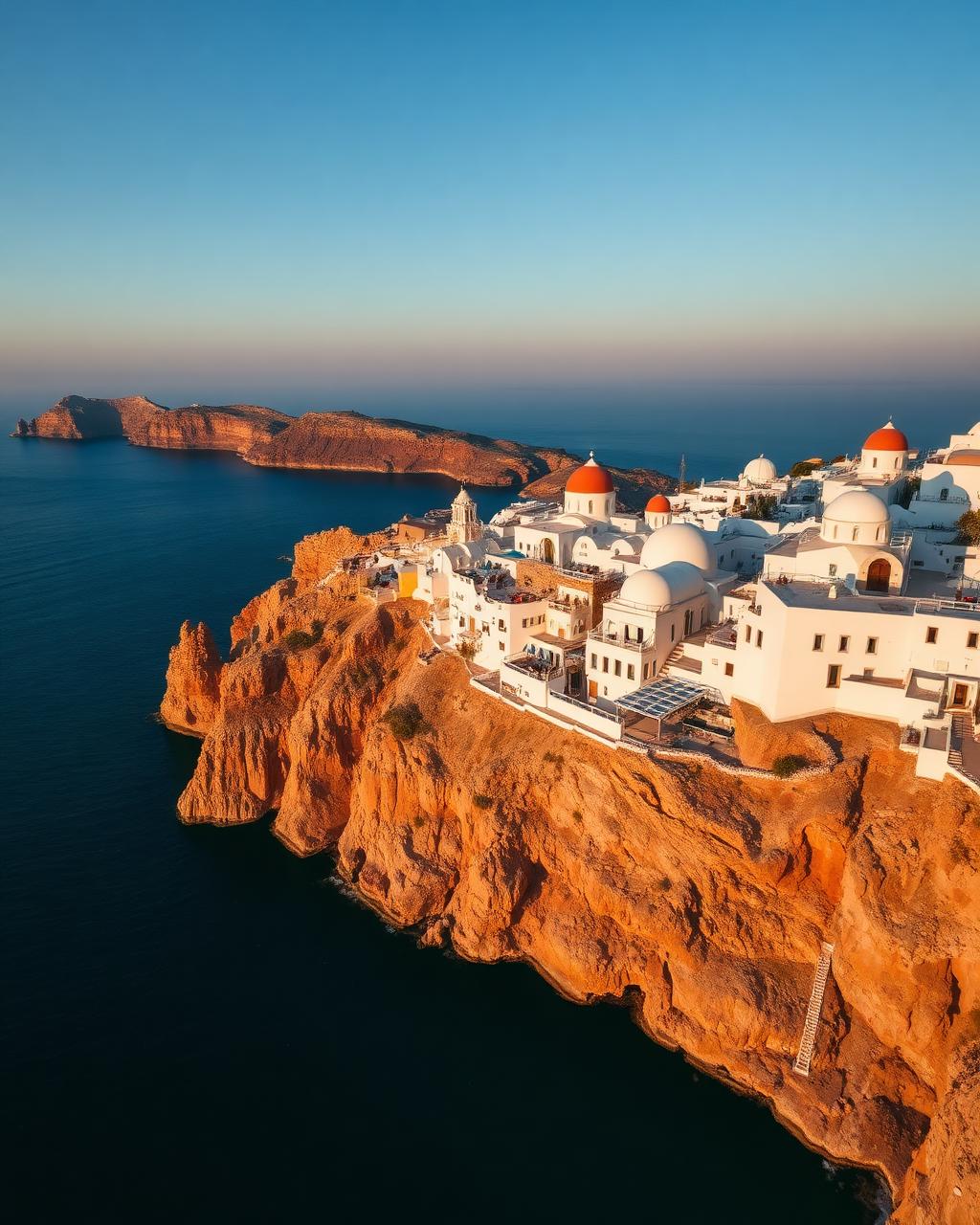
Aran Islands
Where the scenery does the heavy lifting.
Aran is a landscape of stark geometry, where grey limestone pavements meet the Atlantic with a violent, salt-sprayed crash. Forget curated trails; here, the experience is defined by the rhythmic clatter of horse-drawn traps and the whistling wind through thousands of miles of precarious dry-stone walls. In Inis Mór, the prehistoric fort of Dún Aonghasa clings to a 100-metre sheer cliff, a silent witness to centuries of isolation. Early mornings mean the smell of peat smoke and fresh brown soda bread drifting from kitchens in Cill Rónáin. As you cycle past colonies of grey seals basking on the rocks under a pale Irish sun, the sensory overload comes not from noise, but from the immense, unrelenting scale of the karst landscape and the haunting, melodic cadence of the Gaeilge tongue spoken by the locals.
Best time to visit Aran Islands
The best time to visit Aran Islands is generally summer for easier access, or winter for dramatic light and solitude. Peak season pushes prices and crowds up; shoulder season is almost always the smarter trade-off — you'll find the same restaurants open, the same scenery, and noticeably better hotel value on Booking.com.
How to get to Aran Islands
Aran Islands is in Ireland, Europe. Most major European hubs connect by direct flight or high-speed rail, with frequent low-cost options from London, Paris, Amsterdam and Madrid. Once you arrive, allow a day to settle in — most travellers underestimate jet lag and over-pack day one.
Things to do in Aran Islands
Plan your days around hiking, wildlife spotting, scenic drives and photography. Build in at least one slow morning; the best memories rarely come from packed itineraries.
Where to stay in Aran Islands
On Booking.com, properties in Aran Islands start from around $150 per night. Filter by guest review score (8.5+), free cancellation, and your preferred neighbourhood. Booking close to the centre saves transit time and almost always pays for itself in extra hours actually enjoying Aran Islands.
Aran Islands travel FAQs
- What is the best time of year to visit the Aran Islands?
- May and June offer the longest daylight hours and the best chance of dry weather, coinciding with the blooming of rare orchids in the limestone crevices. July and August are peak months for ferry traffic, so visit in September if you prefer quieter lanes and warmer sea temperatures.
- What is the most efficient way to get around Inis Mór?
- Bicycles are the standard choice for independent exploration and can be rented immediately upon disembarking the ferry at the pier. For those with limited mobility or tight schedules, local van tours and horse-drawn carriages provide guided transit to Dún Aonghasa.
- Should I stay overnight or visit as a day trip from Galway?
- While day trips cover the major sites, staying overnight in a guesthouse in Cill Rónáin allows you to experience the islands after the last ferry departs. The evenings offer a more authentic atmosphere in the local pubs, where traditional music sessions often begin spontaneously after dark.
- Is there a specific etiquette for visiting the smaller islands like Inis Meáin?
- Inis Meáin is less tourist-centric than Inis Mór, so visitors should respect private property and stick to established paths through the field systems. It is also courteous to learn a few basic Irish greetings, as the language is the primary medium of daily life for the residents.