Asan
Outdoor first: hikes by day, fireside dinners by night.
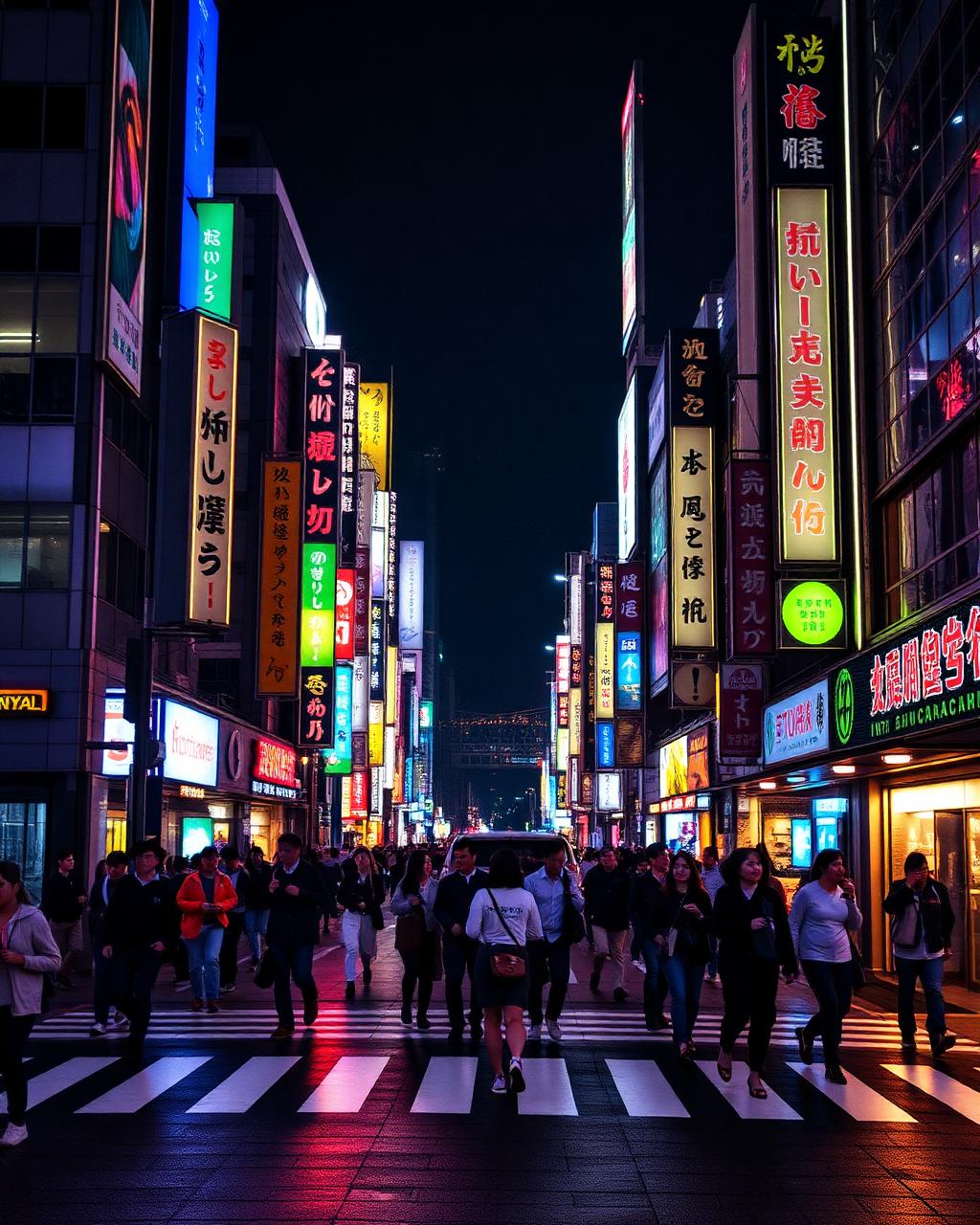
Asan shifts the South Korean travel narrative from urban neon to the rhythmic crunch of gravel on the trails of Yeonginsan Mountain. Here, the air smells of pine and damp earth, particularly during the crisp autumn months when the Gingko Nut Road in Gokgyo-cheon transforms into a tunnel of blinding yellow. After navigating the ridge lines of Bongmulsan, the day concludes at the edge of Sinjeongho Lake, where modern glass-fronted cafes overlook wooden boardwalks and migrating birds. Evenings move toward the rustic comfort of the Oeam Folk Village, where the scent of woodsmoke hangs over stone-walled alleys. Dinner means gathering around a grill for charcoal-fired duck or sampling crispy pajeon, pairing the physical fatigue of a mountain hike with the heat of a communal fire and the cooling mist rolling off the nearby rice paddies.
Best time to visit Asan
The best time to visit Asan is generally summer for easier access, or winter for dramatic light and solitude. Peak season pushes prices and crowds up; shoulder season is almost always the smarter trade-off — you'll find the same restaurants open, the same scenery, and noticeably better hotel value on Booking.com.
How to get to Asan
Asan is in South Korea, Asia. Long-haul connections route through Singapore, Bangkok, Tokyo, Seoul or Dubai, with onward short-hauls to the rest of the region. Once you arrive, allow a day to settle in — most travellers underestimate jet lag and over-pack day one.
Things to do in Asan
Plan your days around hiking, wildlife spotting, scenic drives and photography. Build in at least one slow morning; the best memories rarely come from packed itineraries.
Where to stay in Asan
On Booking.com, properties in Asan start from around $205 per night. Filter by guest review score (8.5+), free cancellation, and your preferred neighbourhood. Booking close to the centre saves transit time and almost always pays for itself in extra hours actually enjoying Asan.
Asan travel FAQs
- When is the ideal season for hiking in Asan?
- October and November offer the most stable weather for outdoor exploration, coinciding with the peak foliage along Gokgyo-cheon Stream. Spring is equally vivid for the cherry blossoms around Sinjeongho Lake, though you should monitor air quality reports for yellow dust.
- What is the best way to navigate between the mountain trails and the city center?
- The Seoul Metropolitan Subway Line 1 connects directly to Asan Station, but localized travel is best handled via the city’s robust bus network or affordable taxis. For those heading to the remote trailheads of Yeonginsan, a rental car or the 'On-City' tour bus provides the most flexibility.
- Where should nature-focused travelers base themselves?
- Stay near Sinjeongho Lake for immediate access to waterfront walking paths and the city’s best independent coffee houses. Alternatively, booking a traditional hanok stay in Oeam Folk Village offers an immersive experience closer to the southern hiking routes.
- What is the local protocol for visiting the regional hot springs after a hike?
- Onyang Hot Springs requires visitors to shower thoroughly before entering communal pools, and swimwear is generally not worn in the gender-segregated indoor baths. Most facilities provide small towels, but bringing your own toiletries is recommended for the smaller, more traditional bathhouses.