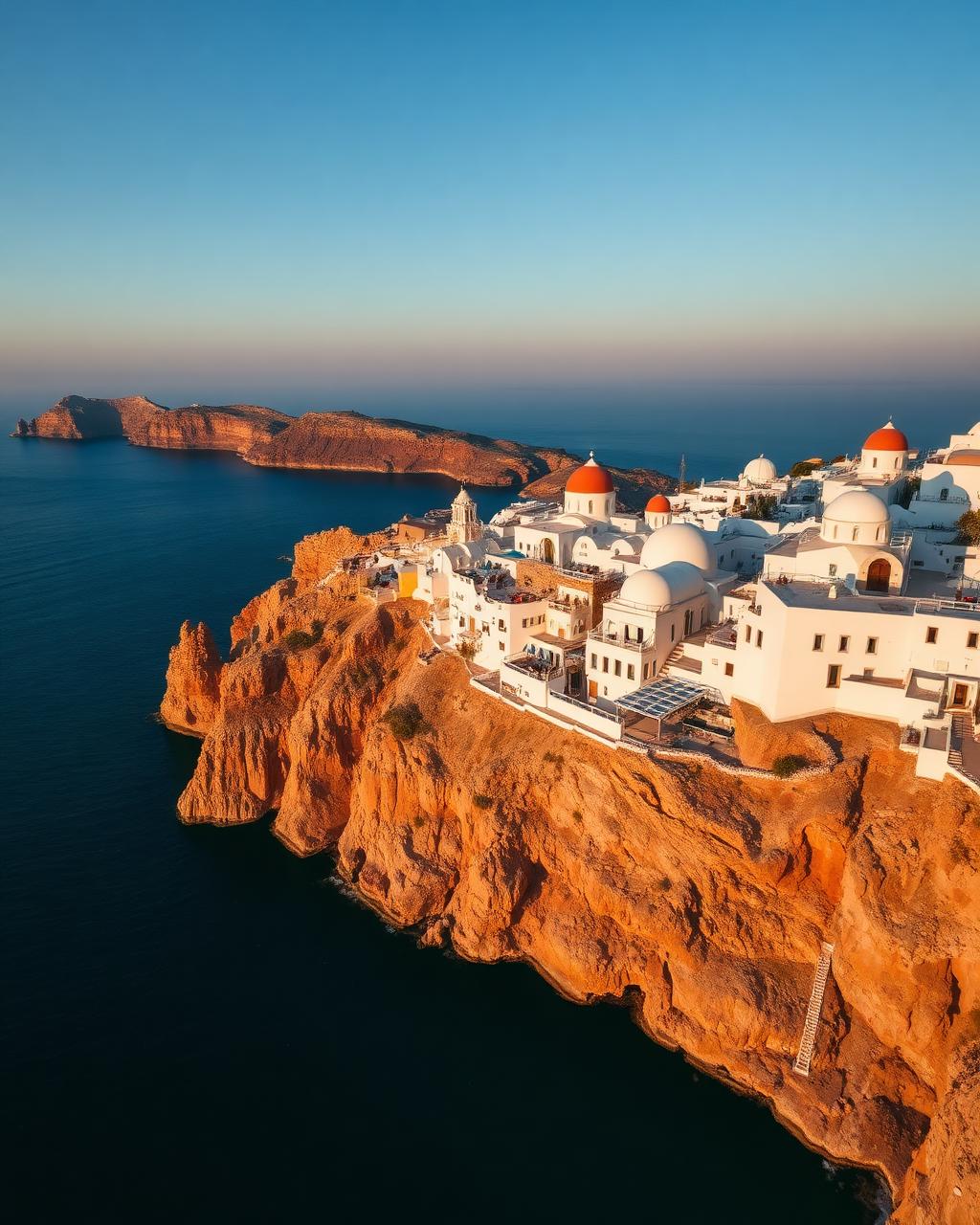
Ávila
National parks on the doorstep, mountain air and proper silence.
When the sun hits the Romanesque granite of Ávila’s two-and-a-half-kilometer city walls, the stone glows a deep, bruised ochre. Beyond these ramparts, the landscape drops away into the vast Amblés Valley, where the air remains thin and sharp even in the height of July. In the quiet squares of the Barrio de los Caballeros, the only sound is the rhythmic clatter of storks nesting atop church belfries. You come here to trade the heat of Madrid for the winds of the Sierra de Gredos, where trails wind through glacial lagoons and granite peaks. After a morning spent in the silence of the pine forests, retreat to a wood-beamed tavern in the Old Town for Judiones de la Granja—creamy butter beans that provide the heavy-duty fuel needed for high-altitude trekking.
Best time to visit Ávila
The best time to visit Ávila is generally summer for easier access, or winter for dramatic light and solitude. Peak season pushes prices and crowds up; shoulder season is almost always the smarter trade-off — you'll find the same restaurants open, the same scenery, and noticeably better hotel value on Booking.com.
How to get to Ávila
Ávila is in Spain, Europe. Most major European hubs connect by direct flight or high-speed rail, with frequent low-cost options from London, Paris, Amsterdam and Madrid. Once you arrive, allow a day to settle in — most travellers underestimate jet lag and over-pack day one.
Things to do in Ávila
Plan your days around hiking, wildlife spotting, scenic drives and photography. Build in at least one slow morning; the best memories rarely come from packed itineraries.
Where to stay in Ávila
On Booking.com, properties in Ávila start from around $145 per night. Filter by guest review score (8.5+), free cancellation, and your preferred neighbourhood. Booking close to the centre saves transit time and almost always pays for itself in extra hours actually enjoying Ávila.
Ávila travel FAQs
- When is the best season to experience the surrounding nature?
- Late spring through early autumn is ideal for hiking the Sierra de Gredos, as the snow clears from high-altitude tracks like the Circo de Gredos by June. For birdwatching, visit in April when the migratory storks arrive to nest atop the city's towers and cathedrals.
- Is a car necessary for exploring the regional parks?
- While the city center is walkable, you will need a car to reach the best trailheads in the Gredos mountains, which are about a 45-minute drive south. Local buses run to the main villages like Arenas de San Pedro, but schedules are sparse and limit your flexibility for sunset hikes.
- Which neighborhood offers the quietest stay?
- Look for boutique hotels near the Basilica de San Vicente or tucked into the northern corners of the walled precinct to avoid the day-tripper crowds. These areas offer the 'proper silence' of the Castilian plateau once the sun sets and the tour buses depart for Madrid.
- What is the local etiquette for ordering the famous Chuletón steak?
- This massive T-bone from local Avileña-Black Iberian cows is usually served rare to medium-rare; asking for it well-done is often met with a polite grimace. Because of its size, many locals share one steak between two people, accompanied by a glass of robust Garnacha from the nearby Cebreros region.