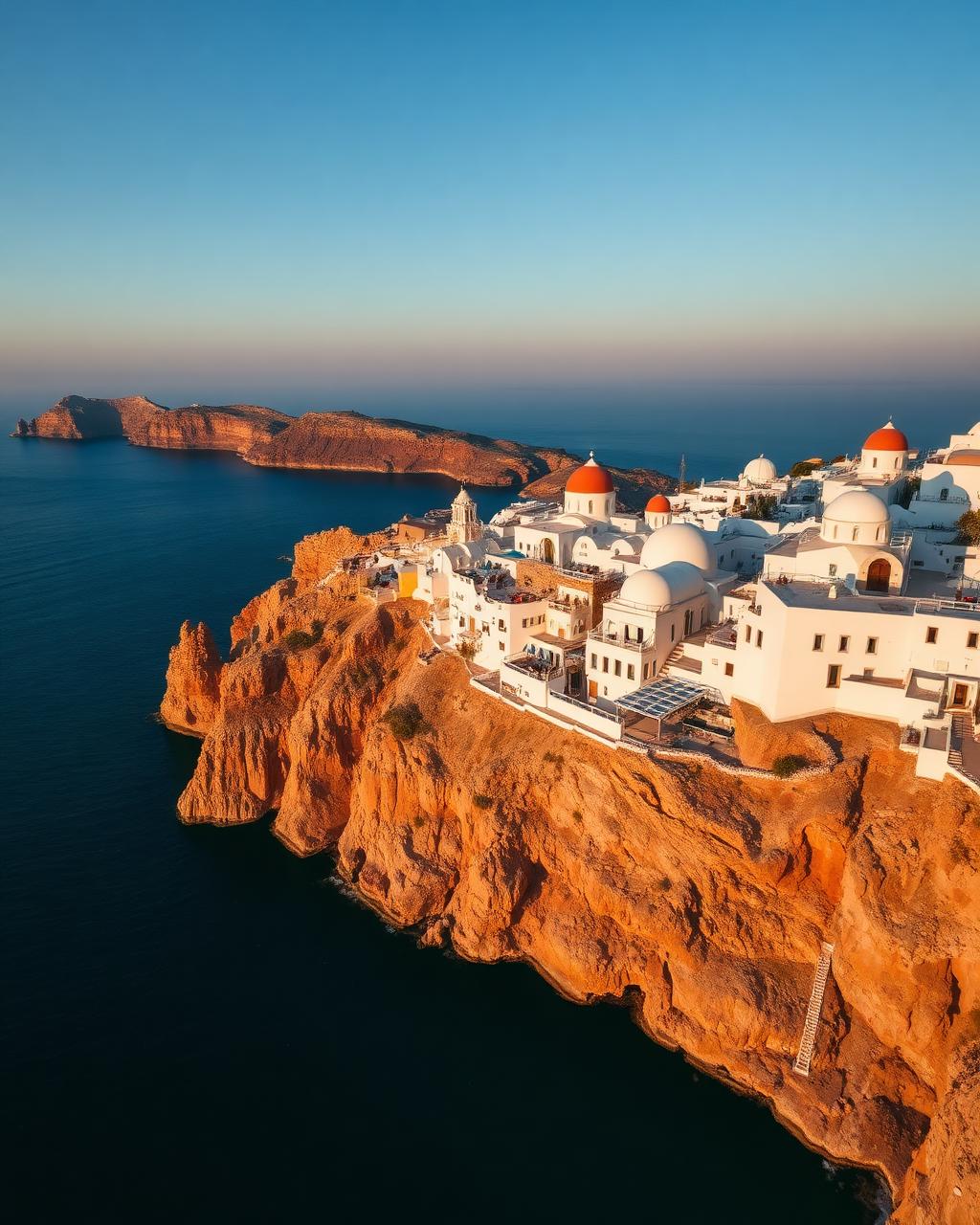
Azores
Quiet country, sharp air and proper hiking.
The air in the Azores carries a permanent Atlantic bite, thick with salt and the scent of wild ginger. This nine-island archipelago rises abruptly from the deep ocean floor, where the jagged caldera of Sete Cidades reflects a heavy, bruised sky. In the volcanic hills of São Miguel, the earth literally breathes at Furnas, where steam vents hiss beside pots of cozido stew buried in the soil. Spring is transformative as electric-blue hydrangeas claim every roadside and the resident sperm whales break the swell off the coast of Pico. Between the basalt vineyards of Madalena and the limestone cliffs of Santa Maria, you will find a landscape that feels prehistoric and startlingly quiet. Life here is dictated by the ferry schedule, the milk-yielding pastures, and the unpredictable mist that rolls off the Atlantic to swallow the mountain peaks whole.
Best time to visit Azores
The best time to visit Azores is generally summer for easier access, or winter for dramatic light and solitude. Peak season pushes prices and crowds up; shoulder season is almost always the smarter trade-off — you'll find the same restaurants open, the same scenery, and noticeably better hotel value on Booking.com.
How to get to Azores
Azores is in Portugal, Europe. Most major European hubs connect by direct flight or high-speed rail, with frequent low-cost options from London, Paris, Amsterdam and Madrid. Once you arrive, allow a day to settle in — most travellers underestimate jet lag and over-pack day one.
Things to do in Azores
Plan your days around hiking, wildlife spotting, scenic drives and photography. Build in at least one slow morning; the best memories rarely come from packed itineraries.
Where to stay in Azores
On Booking.com, properties in Azores start from around $115 per night. Filter by guest review score (8.5+), free cancellation, and your preferred neighbourhood. Booking close to the centre saves transit time and almost always pays for itself in extra hours actually enjoying Azores.
Azores travel FAQs
- When is the most reliable window for predictable weather?
- Aim for late June through early September for the clearest skies and calmest seas, which are essential for boat crossings and whale watching. Even in peak summer, be prepared for 'four seasons in one day' and pack a high-quality technical shell for sudden mountain squalls.
- Is a rental car necessary or can I rely on public transport?
- A rental car is indispensable for reaching trailheads like Lagoa do Fogo or the remote black-sand beaches of the north shore. While buses serve the main towns like Ponta Delgada and Angra do Heroísmo, frequencies are low and do not cater to the spontaneous schedule required for hiking.
- Which island serves as the best base for a first-time visitor?
- São Miguel offers the most diversity, from the botanical gardens of Terra Nostra to the surf breaks at Ribeira Grande. For those seeking a more rugged, maritime atmosphere, Faial is an excellent secondary hub with easy ferry access to the peaked landscapes of Pico and the quiet cliffs of São Jorge.
- What should I know about the local dining culture and tipping?
- Dining is often a communal, unhurried affair centered around petiscos like lapas grelhadas (grilled limpets) and local volcanic wines. Tipping is not mandatory but rounding up the bill by 5-10% is appreciated for exceptional service in sit-down restaurants.