Boryeong
National parks on the doorstep, mountain air and proper silence.
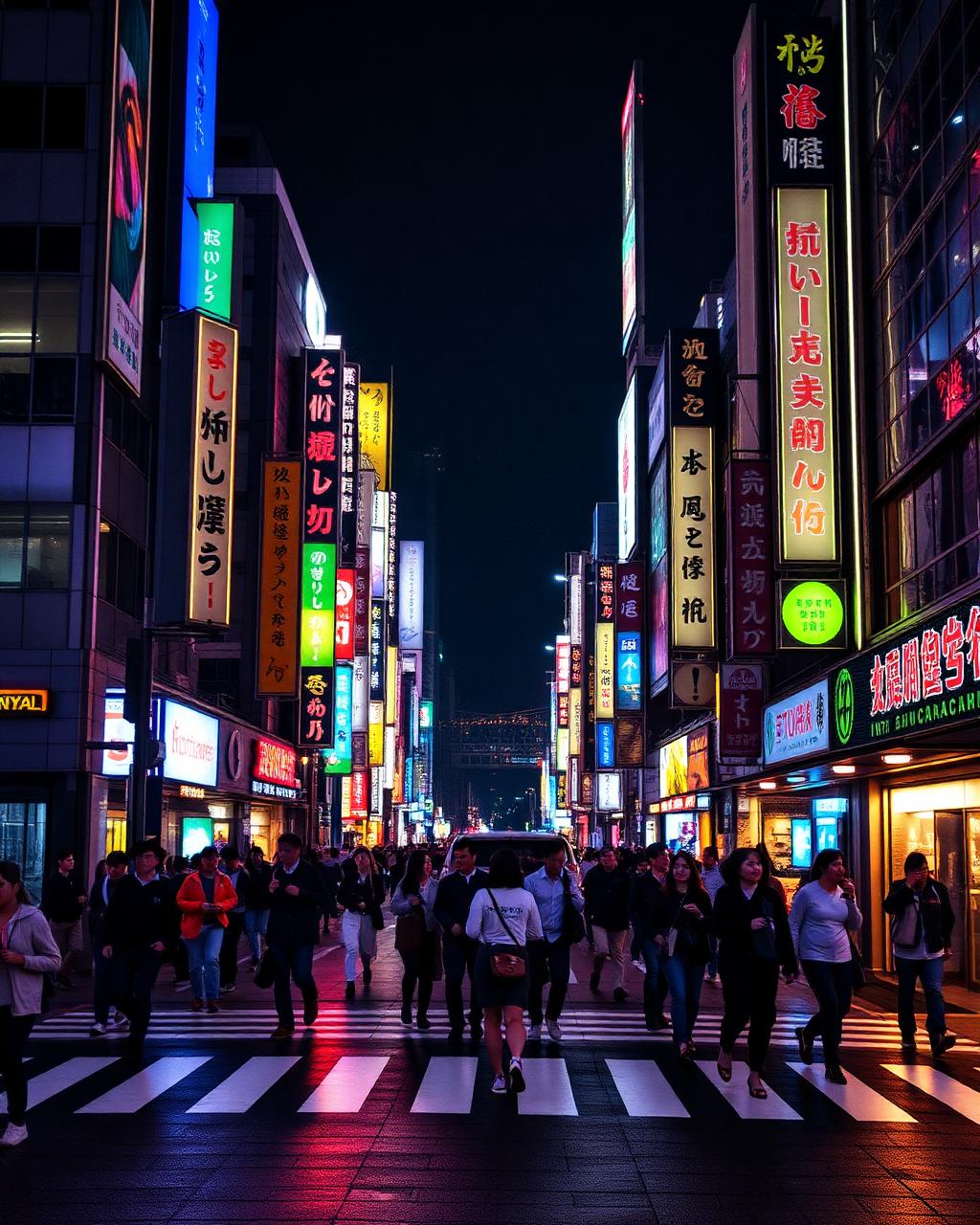
Boryeong is often defined by the summer chaos of its mud festival, but beyond the shoreline of Daecheon Beach lies an expansive wilderness dominated by the granite peaks of Oseosan and Seongjusan. In the crisp air of late autumn, the silver grass atop Oseosan ripples like a tide, providing hikers with panoramic views of the Yellow Sea islands. The city breathes through its dense pine forests and the cool mist of the Boryeong-ho Lake reservoir, where the silence is broken only by the crunch of leaves underfoot. Between treks, the local markets along the waterfront trade in thick bowls of bajirak kalguksu and the sharp, salty aroma of roasted laver. It is a destination of vertical landscapes and deep cedar groves, offering a rugged, earthy solitude far removed from the neon glow of Seoul.
Best time to visit Boryeong
The best time to visit Boryeong is generally summer for easier access, or winter for dramatic light and solitude. Peak season pushes prices and crowds up; shoulder season is almost always the smarter trade-off — you'll find the same restaurants open, the same scenery, and noticeably better hotel value on Booking.com.
How to get to Boryeong
Boryeong is in South Korea, Asia. Long-haul connections route through Singapore, Bangkok, Tokyo, Seoul or Dubai, with onward short-hauls to the rest of the region. Once you arrive, allow a day to settle in — most travellers underestimate jet lag and over-pack day one.
Things to do in Boryeong
Plan your days around hiking, wildlife spotting, scenic drives and photography. Build in at least one slow morning; the best memories rarely come from packed itineraries.
Where to stay in Boryeong
On Booking.com, properties in Boryeong start from around $180 per night. Filter by guest review score (8.5+), free cancellation, and your preferred neighbourhood. Booking close to the centre saves transit time and almost always pays for itself in extra hours actually enjoying Boryeong.
Boryeong travel FAQs
- When is the best season to avoid the crowds but enjoy the nature?
- October and November are the prime months for hikers, as the humidity of summer breaks and the silver grass on Mount Oseosan reaches its peak. Spring is equally vivid when cherry blossoms line the road to the Boryeong Dam, providing a quiet alternative to the packed mud festival in July.
- How should I navigate the area between the city center and the trails?
- While local buses run frequently between Boryeong Station and Daecheon Beach, reaching the specific trailheads of Seongjusan National Forest is most efficient via taxi or rental car. Many hikers use the KakaoTaxi app to secure rides back to the main transport hubs from more remote forest exits.
- Which neighborhood offers the best balance of tranquility and amenities?
- Look for guesthouses near the Seongjusan Recreational Forest area rather than the beachfront blocks if you prefer mountain air and morning mist. These lodges provide direct access to the valley walking paths and are a short drive from the traditional markets in the downtown Jungsang-dong district.
- What is the local specialty I should try after a day of hiking?
- Boryeong is famous for its high-quality 'kim' or seasoned seaweed, which is often served as a fresh side dish in the local 'baekban' establishments. For a hearty post-trail meal, head to the markets for grilled scallops and blue crab, which are the seasonal staples of the region’s coastal-mountain culinary crossover.