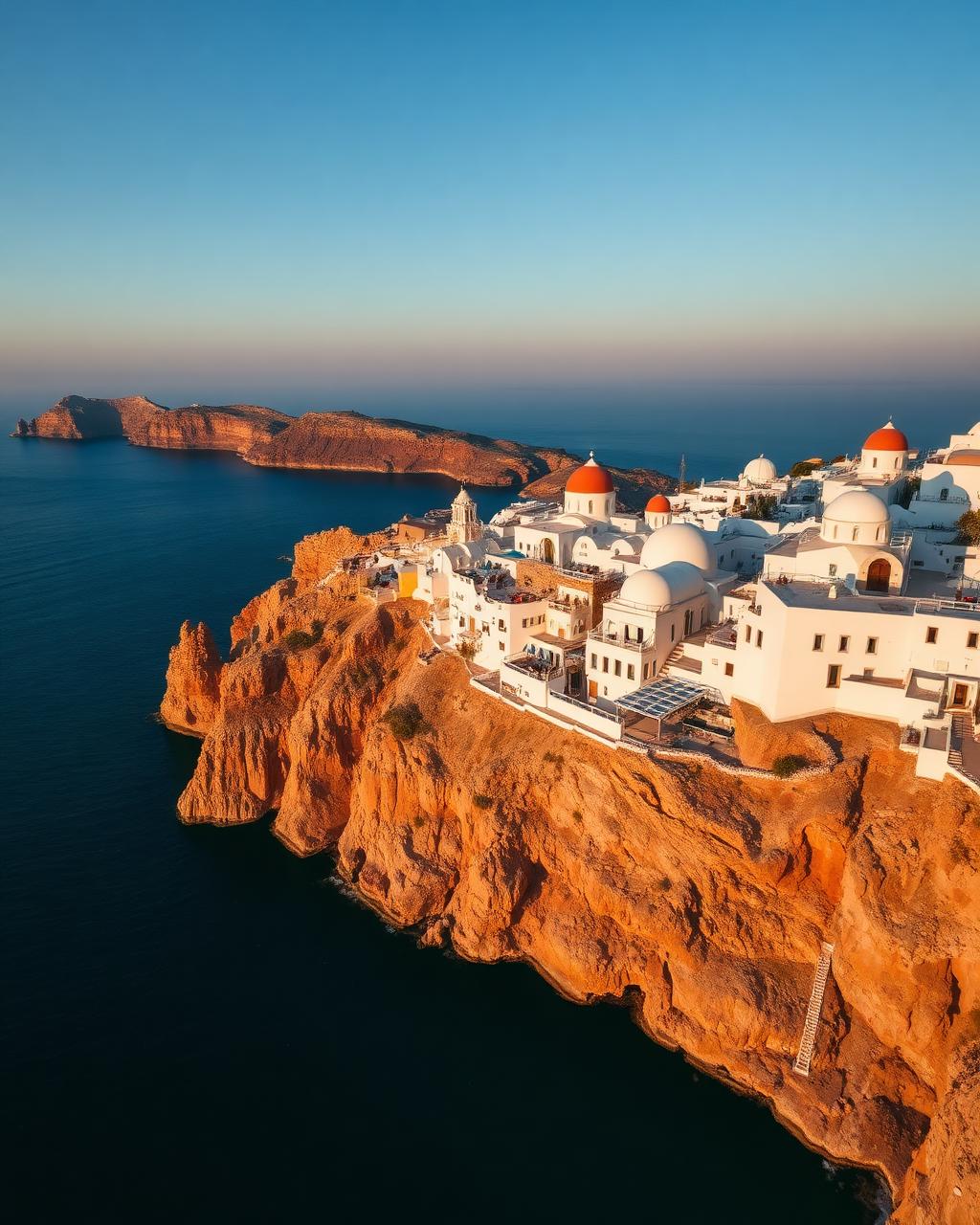
Calais
Outdoor first: hikes by day, fireside dinners by night.
Calais sheds its transit-hub reputation the moment you pivot toward the Côte d’Opale. Morning light hits the chalky expanse of Cap Blanc-Nez, where the salt spray of the Dover Strait mingles with the scent of wild gorse. In the Blériot-Plage district, the rhythm is dictated by the tide and the distant low hum of cross-channel ferries. After a day spent navigating the rugged clifftop paths or windsurfing the erratic winds of the North Sea, the focus shifts to the warmth of a wood-burning stove in a converted farmhouse. Expect the crackle of a fire paired with a bowl of moules-frites and a crisp glass of local 2-beers. The landscape here is cinematic—a tapestry of shifting dunes and marshy hinterlands that feels miles away from the industrial bustle of the port.
Best time to visit Calais
The best time to visit Calais is generally summer for easier access, or winter for dramatic light and solitude. Peak season pushes prices and crowds up; shoulder season is almost always the smarter trade-off — you'll find the same restaurants open, the same scenery, and noticeably better hotel value on Booking.com.
How to get to Calais
Calais is in France, Europe. Most major European hubs connect by direct flight or high-speed rail, with frequent low-cost options from London, Paris, Amsterdam and Madrid. Once you arrive, allow a day to settle in — most travellers underestimate jet lag and over-pack day one.
Things to do in Calais
Plan your days around hiking, wildlife spotting, scenic drives and photography. Build in at least one slow morning; the best memories rarely come from packed itineraries.
Where to stay in Calais
On Booking.com, properties in Calais start from around $180 per night. Filter by guest review score (8.5+), free cancellation, and your preferred neighbourhood. Booking close to the centre saves transit time and almost always pays for itself in extra hours actually enjoying Calais.
Calais travel FAQs
- When is the best season for hiking the Cap Blanc-Nez trails?
- Late spring and early autumn offer the most stable conditions for the coastal paths, with temperatures hovering around 16°C. While summer provides the longest daylight hours, the winds can be surprisingly fierce, requiring a proper technical shell even on sunny days.
- How should I navigate the coastline without a car?
- The 'Oscar' bus network connects the central station to local beach districts, but the ‘Vélomaritime’ cycle route is the superior choice for outdoor enthusiasts. You can rent electric bikes in the city center to reach the southern cliffs of Sangatte with minimal effort.
- Where is the best area to base myself for a nature-focused trip?
- Avoid the city center and look for gîtes in Sangatte or the small hamlets toward Escalles. These locations offer direct access to the Grand Site des Deux Caps, allowing you to start your hikes directly from your doorstep away from urban noise.
- What is the local etiquette for buying seafood directly from the docks?
- Head to the stalls at Quai de la Colonne in the early morning where fishermen sell the daily catch, such as sole and sea bass. Bring your own reusable bag and cash in small denominations, as many of these traditional vendors do not accept card payments.