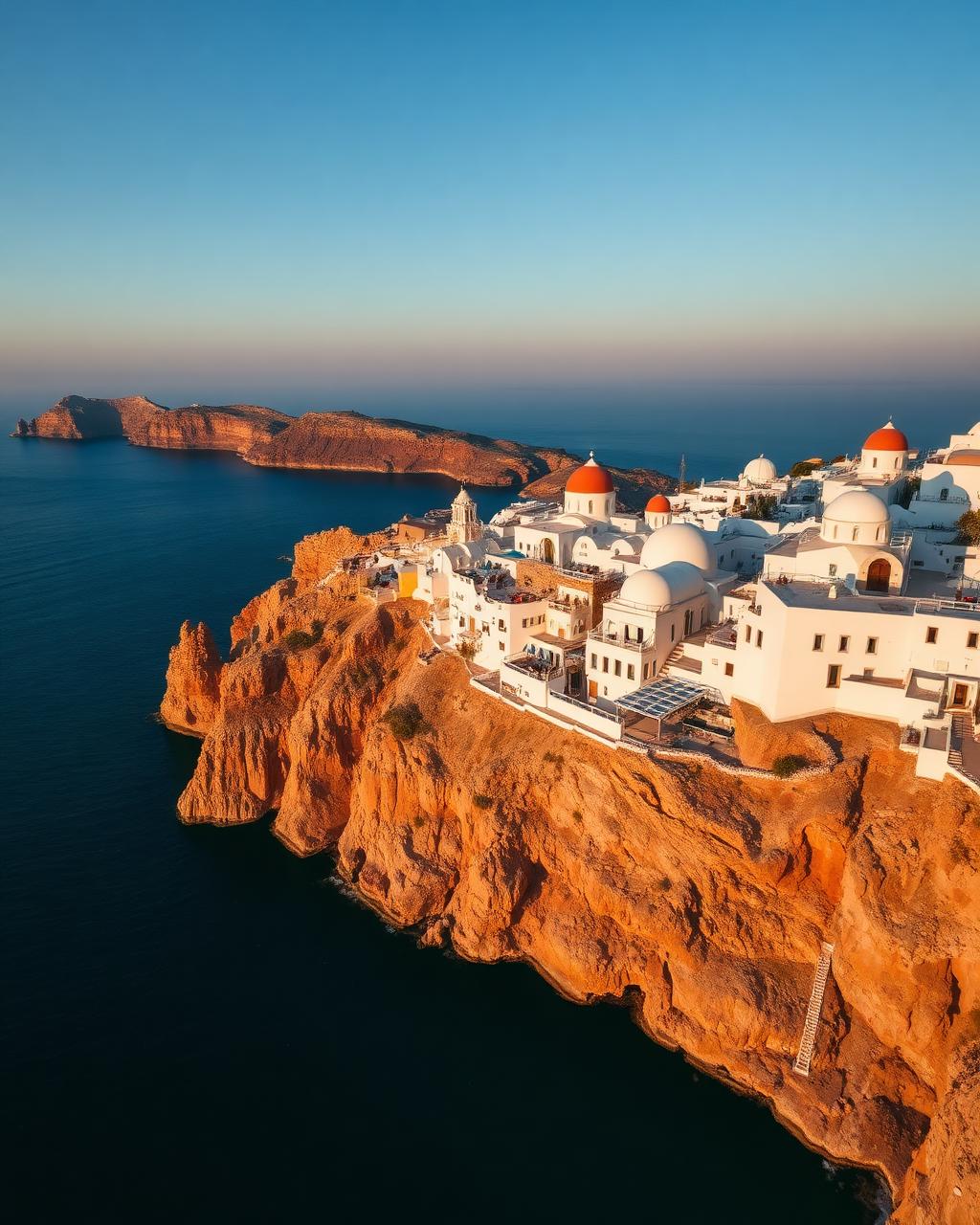
Calvià
Outdoor first: hikes by day, fireside dinners by night.
Calvià shifts from high-octane coastline to quiet architectural grace as you move inland toward the foothills of the Serra de Tramuntana. While summer crowds flock to the turquoise coves of Palmanova, the cooler months belong to the limestone trails winding through the Galatzó estate. Here, the air smells of crushed rosemary and scorched earth, punctuated by the rhythmic clinking of goat bells. After a day navigating the steep, sun-bleached ridges, the village of Calvià Vila offers a grounded retreat. Traditional honey-colored stone houses frame narrow alleys where woodsmoke lingers in the evening air. Dinner means gathering around a hearth for robust Majorcan plates: slow-cooked 'fregit' of liver and peppers or 'sobrassada' spread thick on toasted bread, paired with the deep red wines of the Binissalem region.
Best time to visit Calvià
The best time to visit Calvià is generally summer for easier access, or winter for dramatic light and solitude. Peak season pushes prices and crowds up; shoulder season is almost always the smarter trade-off — you'll find the same restaurants open, the same scenery, and noticeably better hotel value on Booking.com.
How to get to Calvià
Calvià is in Spain, Europe. Most major European hubs connect by direct flight or high-speed rail, with frequent low-cost options from London, Paris, Amsterdam and Madrid. Once you arrive, allow a day to settle in — most travellers underestimate jet lag and over-pack day one.
Things to do in Calvià
Plan your days around hiking, wildlife spotting, scenic drives and photography. Build in at least one slow morning; the best memories rarely come from packed itineraries.
Where to stay in Calvià
On Booking.com, properties in Calvià start from around $155 per night. Filter by guest review score (8.5+), free cancellation, and your preferred neighbourhood. Booking close to the centre saves transit time and almost always pays for itself in extra hours actually enjoying Calvià.
Calvià travel FAQs
- When is the best season for hiking in Calvià?
- The window between October and May is ideal, as temperatures hover comfortably around 15-20°C and the humidity of summer has dissipated. Late January is particularly striking when the almond blossoms coat the valley floor in white and pink, though you should pack waterproof layers for occasional Mediterranean squalls.
- Should I rent a car or use public transport to explore the nature trails?
- Renting a car is essential for reaching remote trailheads like the Finca Galatzó or the viewpoints near Es Capdellà, as TIB buses primarily serve the coastal corridors. Having your own wheels also allows you to navigate the winding Ma-10 mountain road at your own pace before the sunset cyclists head back to Palma.
- Where is the best base for an outdoor-focused trip?
- Avoid the coastal resorts and book a boutique 'finca' or guesthouse in Es Capdellà or Calvià Vila. These inland villages provide direct pedestrian access to the GR-221 dry stone route, keeping you away from the beachfront nightlife while remaining within a ten-minute drive of the sea.
- What is the local etiquette for foraging or picking fruit on hikes?
- While you will see carob and olive trees lining the paths, most groves are private property and harvesting is strictly prohibited without permission. However, it is common practice to buy 'oli de Mallorca' directly from local estates or village markets, which supports the preservation of the ancient stone terraces you are hiking through.