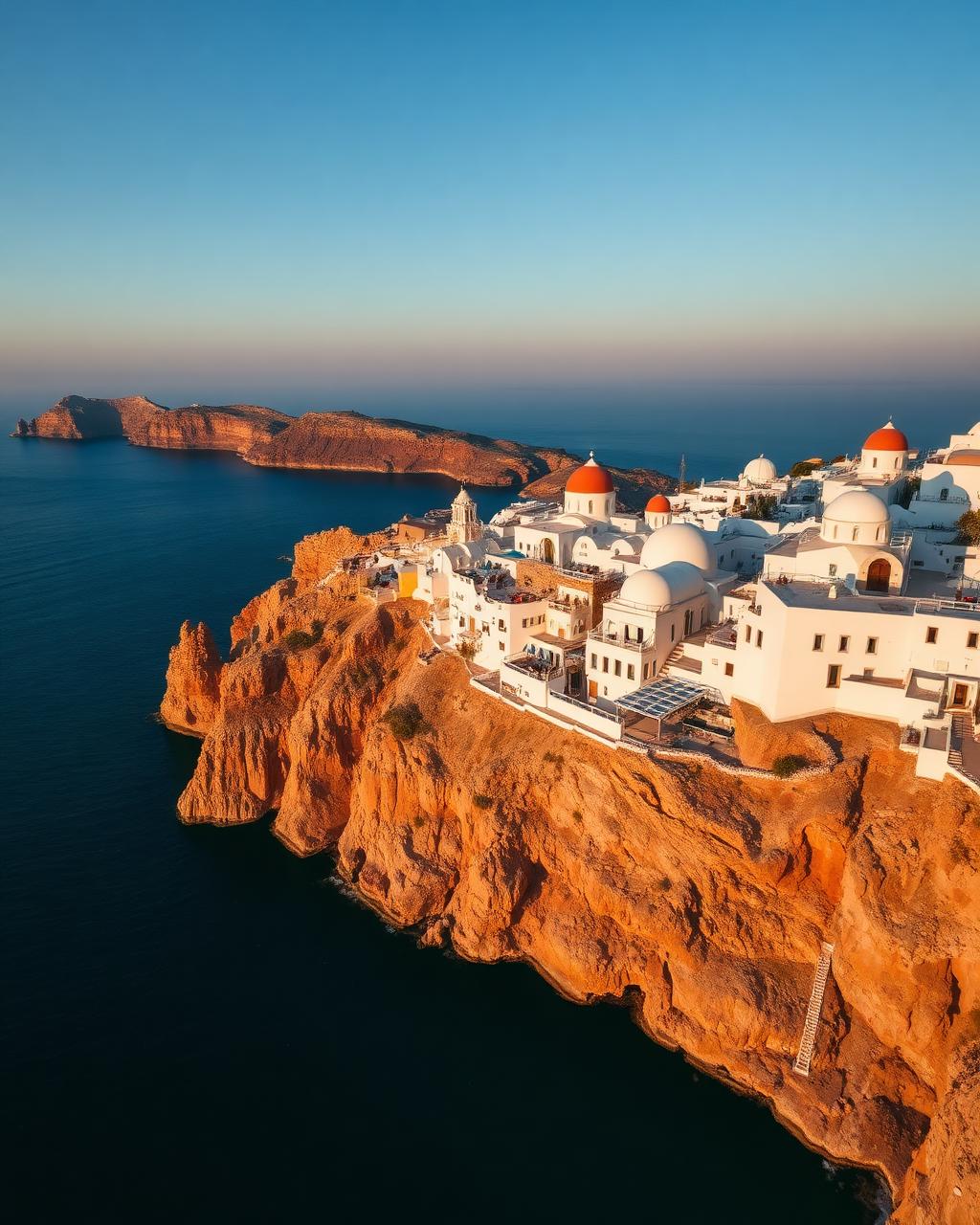
Capannori
Where you trade screen time for skylines made of peaks.
In Capannori, the Lucchese plain yields to the Pizzorne Mountains, trading digital distractions for a skyline of limestone crests and medieval watchtowers. Mornings here mean the rhythm of bicycles crossing the stone bridge of Vorno or the mist clinging to the camellias in Sant'Andrea di Compito, where rare cultivars bloom in explosive crimsons during the spring. You feel the weight of history in the shadow of the Villa Torrigiani, its sprawling Baroque gardens smelling of damp earth and cypress. Between the chestnut forests of the upper hamlets and the silver olive groves below, the soundtrack is the steady rush of mountain streams. Whether you are sampling raw, pungent olive oil on toasted pane sciocco or trekking the high-altitude trails toward the Garfagnana border, the pace is dictated solely by the changing light on the Serchio valley floor.
Best time to visit Capannori
The best time to visit Capannori is generally summer for easier access, or winter for dramatic light and solitude. Peak season pushes prices and crowds up; shoulder season is almost always the smarter trade-off — you'll find the same restaurants open, the same scenery, and noticeably better hotel value on Booking.com.
How to get to Capannori
Capannori is in Italy, Europe. Most major European hubs connect by direct flight or high-speed rail, with frequent low-cost options from London, Paris, Amsterdam and Madrid. Once you arrive, allow a day to settle in — most travellers underestimate jet lag and over-pack day one.
Things to do in Capannori
Plan your days around hiking, wildlife spotting, scenic drives and photography. Build in at least one slow morning; the best memories rarely come from packed itineraries.
Where to stay in Capannori
On Booking.com, properties in Capannori start from around $200 per night. Filter by guest review score (8.5+), free cancellation, and your preferred neighbourhood. Booking close to the centre saves transit time and almost always pays for itself in extra hours actually enjoying Capannori.
Capannori travel FAQs
- When is the best time to experience the landscape in full bloom?
- March is the definitive month for nature lovers, specifically during the Antiche Camelie della Lucchesia festival in Sant'Andrea di Compito. This window offers crisp hiking weather and the chance to see centuries-old tea and camellia plants flowering against the melting snow of the peaks.
- Do I need a car to navigate the different hamlets?
- While the central town is accessible by train via the Lucca-Florence line, a car is essential for reaching the hilltop 'borghi' and trailhead starts. Navigation requires comfort with narrow, winding switchbacks that lead to the panoramic villas and chestnut forests.
- What is the most authentic neighborhood for a stay focused on nature?
- Look for agriturismi in Vorno or the Pieve di Compito area to stay directly within the hiking corridor. These neighborhoods provide immediate access to the 'Via delle Pievi' trail network and are cooler in the summer due to their higher elevation and dense tree cover.
- What is a unique local food tradition I should look for?
- Seek out the red beans of Lucca, known as 'Fagioli Rossi di Lucca,' often served with local spelt or wild greens gathered from the hillsides. Ask for 'Zuppa di Frantoio' in the local tavernas, a dish traditionally made to celebrate the first pressing of the pungent, peppery olive oil each autumn.