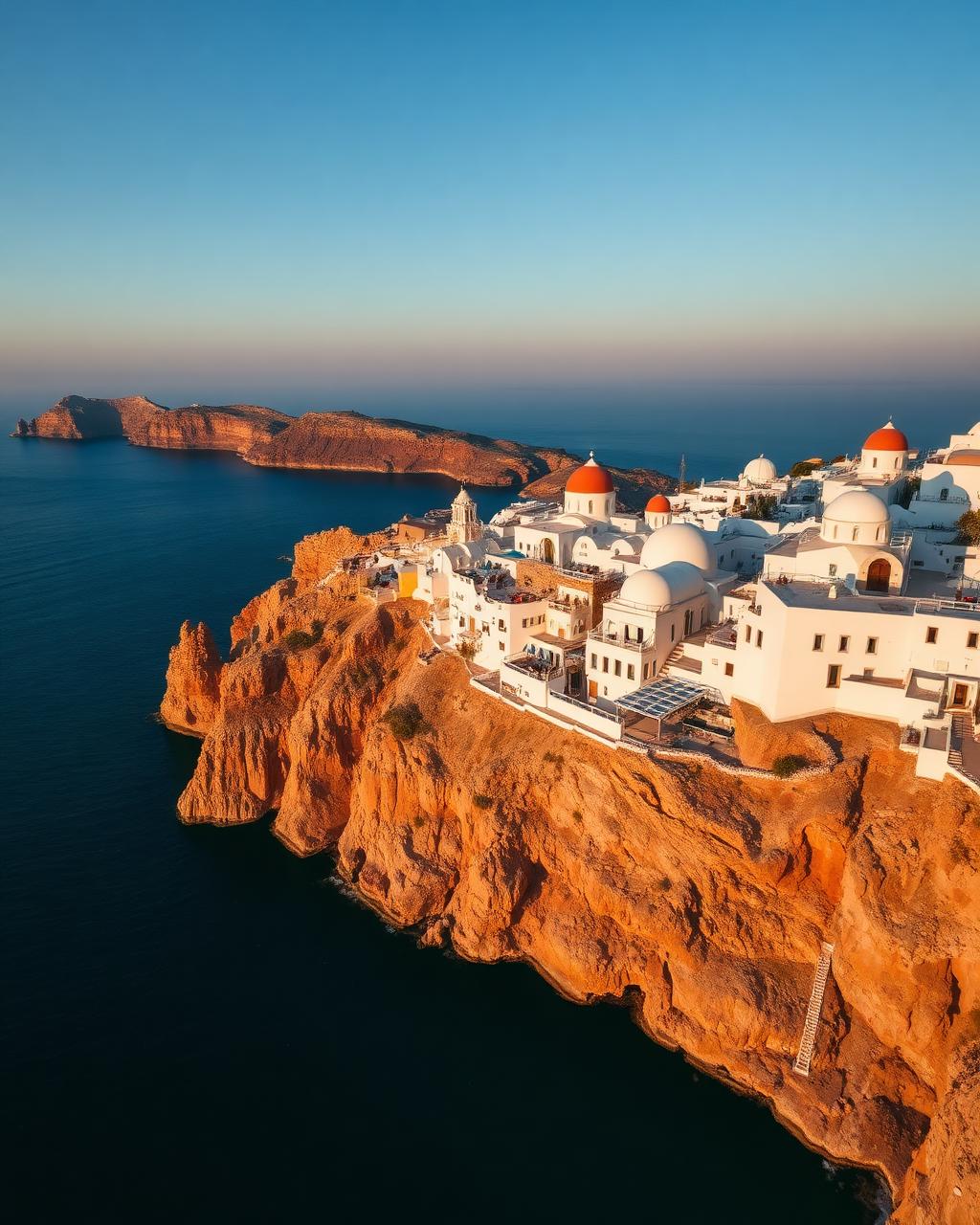
Carrara
Outdoor first: hikes by day, fireside dinners by night.
The Apuan Alps surge above Carrara like serrated bone, their slopes scarred by the brilliant white of the marble basins that have defined this Tuscan outlier for millennia. In the high-altitude quarries of Colonnata, the air is sharp with the scent of rosemary and garlic from the 'conca' marble vats where lardo cures. By day, gravity-defying hairpins lead hikers through the Fantiscritti basin where the sound of diamond-wire saws echoes off limestone walls. As afternoon shadows stretch over the Piazza Alberica, the town sheds its industrial grit for a refined Mediterranean pulse. Evenings belong to quiet refugios perched on the ridgeline, where hikers trade boots for slippers and dine on chestnut flour pasta beside wood-burning stoves, watching the sunset bleed into the Tyrrhenian Sea from a literal fortress of stone.
Best time to visit Carrara
The best time to visit Carrara is generally summer for easier access, or winter for dramatic light and solitude. Peak season pushes prices and crowds up; shoulder season is almost always the smarter trade-off — you'll find the same restaurants open, the same scenery, and noticeably better hotel value on Booking.com.
How to get to Carrara
Carrara is in Italy, Europe. Most major European hubs connect by direct flight or high-speed rail, with frequent low-cost options from London, Paris, Amsterdam and Madrid. Once you arrive, allow a day to settle in — most travellers underestimate jet lag and over-pack day one.
Things to do in Carrara
Plan your days around hiking, wildlife spotting, scenic drives and photography. Build in at least one slow morning; the best memories rarely come from packed itineraries.
Where to stay in Carrara
On Booking.com, properties in Carrara start from around $140 per night. Filter by guest review score (8.5+), free cancellation, and your preferred neighbourhood. Booking close to the centre saves transit time and almost always pays for itself in extra hours actually enjoying Carrara.
Carrara travel FAQs
- When is the best season for trekking the marble basins?
- Late spring and early autumn offer the safest conditions, avoiding the intense glare of the white marble in summer and the lethally slick ice of winter. May and September provide the clarity needed for views that stretch across the Gulf of Poets to the French coast.
- Should I base myself in the historic center or the hills?
- Stay in the narrow, colorful streets of the historic center for convenient access to osterias and the cathedral. However, booking a mountain guesthouse near Campocecina is superior for hikers, as it eliminates the steep morning climb and places you directly on the high-altitude trails.
- What is the most efficient way to navigate the quarry roads?
- Public buses reach the lower quarry villages, but a private 4x4 tour or a rental vehicle is necessary to reach the high panoramas where standard cars are prohibited. Be prepared for aggressive industrial truck traffic on the narrow 'Via del Marmo' during work hours.
- Is the local 'Lardo di Colonnata' available in typical grocery stores?
- While commercial versions exist, the authentic IGP-certified lard is best purchased directly from the producers in the mountain village of Colonnata. Look for shops that store the meat in traditional marble troughs, as the porous stone is essential to the local curing process.