Carthage
Slow walks, long lunches, real local life.
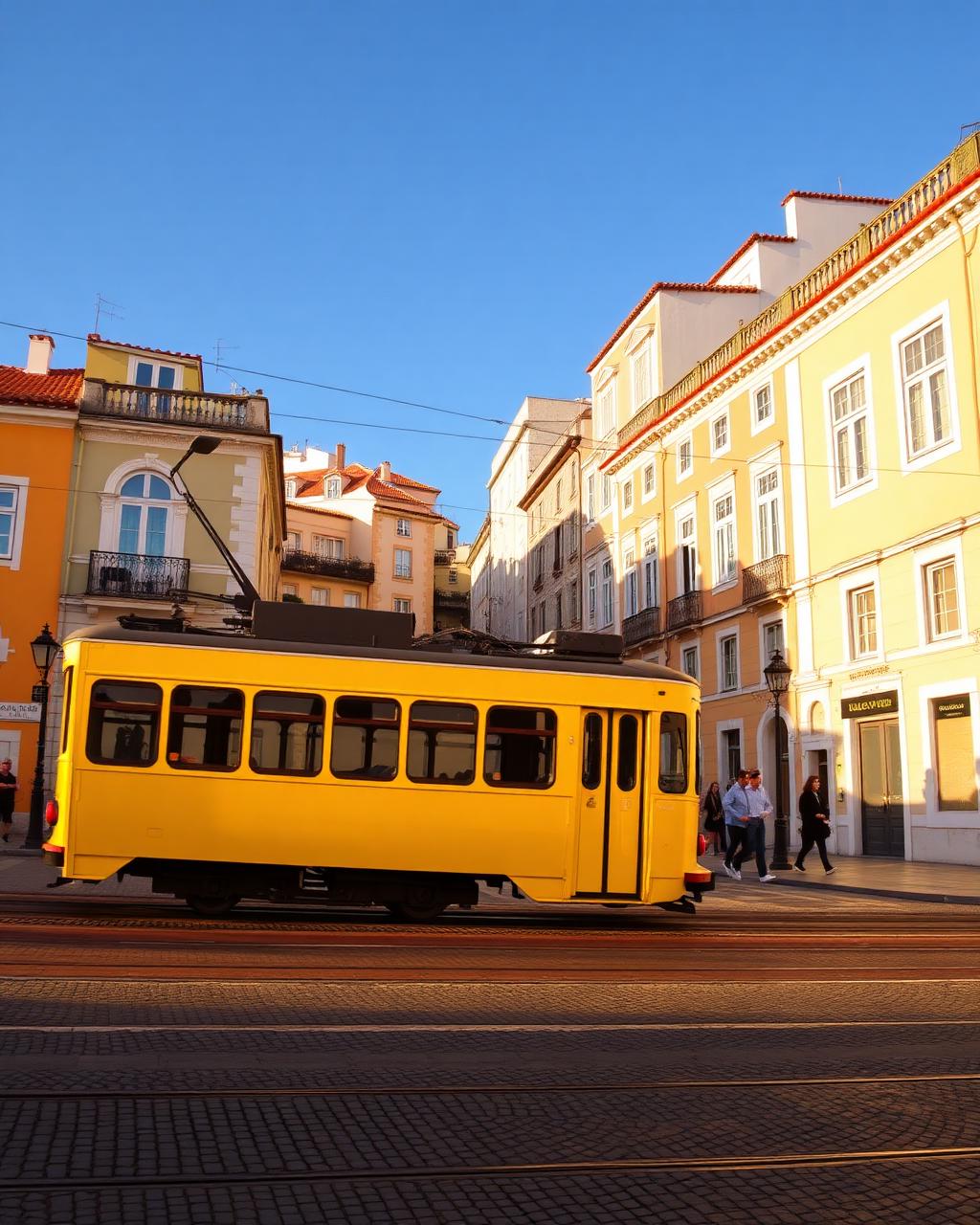
Mornings in Carthage start with the scent of jasmine and the low hum of the TGM commuter train connecting the coast to Tunis. Moving through the residential neighborhood of Dermech, the air carries a salt-heavy breeze from the Gulf of Tunis, pulling you toward the sprawling Baths of Antoninus and the hilltop ruins of Byrsa. This isnt a cordoned-off museum; the Punic and Roman columns sit amidst villas draped in violet bougainvillea and blue-shuttered windows. Lunch stretches long at a shaded table in nearby Sidi Bou Said or a quiet courtyard in La Marsa, where locals linger over grilled sea bream, bowls of spicy harissa, and deep plates of couscous. As the Mediterranean sun softens in late afternoon, the pace shifts into a slow crawl through the residential streets, where the clinking of mint tea glasses provides the soundtrack to a city that lives comfortably between its imperial past and its breezy, modern seaside identity.
Best time to visit Carthage
The best time to visit Carthage is generally shoulder season (April–May, September–October) for cooler sightseeing. Peak season pushes prices and crowds up; shoulder season is almost always the smarter trade-off — you'll find the same restaurants open, the same scenery, and noticeably better hotel value on Booking.com.
How to get to Carthage
Carthage is in Tunisia, Africa. Connections typically route via Johannesburg, Nairobi, Addis Ababa, Cairo or Casablanca, with short onward flights to most destinations. Once you arrive, allow a day to settle in — most travellers underestimate jet lag and over-pack day one.
Things to do in Carthage
Plan your days around historic sites, museums, food tours and walking routes. Build in at least one slow morning; the best memories rarely come from packed itineraries.
Where to stay in Carthage
On Booking.com, properties in Carthage start from around $80 per night. Filter by guest review score (8.5+), free cancellation, and your preferred neighbourhood. Booking close to the centre saves transit time and almost always pays for itself in extra hours actually enjoying Carthage.
Carthage travel FAQs
- When is the ideal time to explore the ruins and coast?
- The shoulder seasons of April to June and September to November offer the mildest walking weather and the clearest coastal views. August is often sweltering with high humidity, while the winter months, though quiet and atmospheric, can bring sharp Mediterranean rain and winds.
- What is the most efficient way to navigate the different Carthage sites?
- The TGM light rail is the most authentic and affordable way to hop between the various archaeological stations like Carthage Hannibal and Carthage Dermech. For reaching specific uphill spots or tucked-away restaurants, yellow taxis are ubiquitous and inexpensive, provided you ensure the meter is running.
- Should I stay in Carthage or the neighboring towns?
- Carthage itself is largely residential and quiet at night, so many travelers opt for the boutique guesthouses in the blue-and-white village of Sidi Bou Said for its legendary views. Alternatively, the neighborhood of La Marsa offers a more cosmopolitan feel with vibrant cafes, luxury hotels, and a bustling corniche within a ten-minute drive.
- What is the local etiquette for visiting the Punic ports and residential areas?
- While the area is relaxed and secular, it is respectful to dress modestly when moving away from the beach clubs and into the residential streets. When exploring the Punic ports, keep in mind that these are active fishing spots and local hangouts; a polite 'Aslama' greeting goes a long way when passing residents.