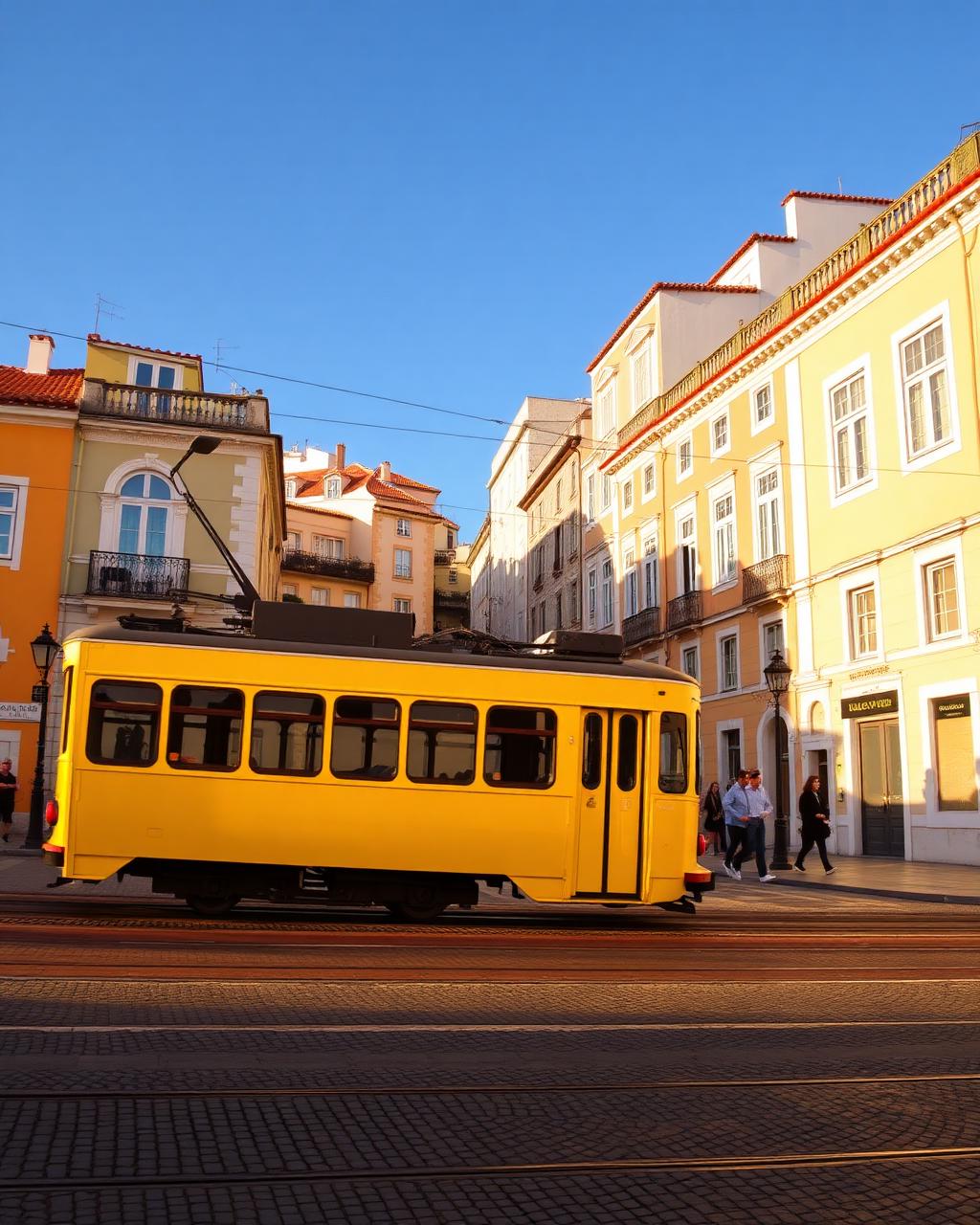
Dijon
Big-city energy with the right pockets of quiet.
Dijon sheds its sleepy provincial reputation with a sharp, cosmopolitan edge that balances grand Ducal history against a thriving student population. Morning light hits the glazed polychrome roof tiles of the Cathédrale Saint-Bénigne while the smells of spice bread and roasting coffee drift from the Les Halles market district. You can navigate the medieval core along the Owl’s Trail, but the real energy pulses through the bars of Rue Berbisey and the renovated warehouses of the Port du Canal. While the Palais des Ducs looms large over the broad Place de la Libération, quiet escapes wait in the botanical Jardin de l’Arquebuse. It is a city of distinct gears: high-speed TGV connections and sleek modern trams set against the slow, deliberate ritual of an afternoon Kir served in a limestone-walled courtyard.
Best time to visit Dijon
The best time to visit Dijon is generally spring and early autumn for the best weather without peak crowds. Peak season pushes prices and crowds up; shoulder season is almost always the smarter trade-off — you'll find the same restaurants open, the same scenery, and noticeably better hotel value on Booking.com.
How to get to Dijon
Dijon is in France, Europe. Most major European hubs connect by direct flight or high-speed rail, with frequent low-cost options from London, Paris, Amsterdam and Madrid. Once you arrive, allow a day to settle in — most travellers underestimate jet lag and over-pack day one.
Things to do in Dijon
Plan your days around neighbourhood walks, museums, coffee culture and dinner reservations. Because Dijon also leans into historic sites, museums, food tours and walking routes, you can mix it up — one slow day, one active day, repeat.
Where to stay in Dijon
On Booking.com, properties in Dijon start from around $210 per night. Filter by guest review score (8.5+), free cancellation, and your preferred neighbourhood. Booking close to the centre saves transit time and almost always pays for itself in extra hours actually enjoying Dijon.
Dijon travel FAQs
- When is the best time to experience Dijon without the crowds?
- Visit during September or October when the grape harvest begins in the nearby vineyards and the summer heat breaks. The city remains vibrant with the return of university students, but the major tourist sites like the Musée des Beaux-Arts are significantly quieter.
- What is the most efficient way to navigate the city center?
- Dijon is highly walkable with a largely pedestrianized historic core, but the Divia tram system is excellent for longer cross-town trips. Look for the bronze owl plaques embedded in the pavement to follow the curated walking route that hits all major cultural landmarks.
- Which neighborhood offers the best balance of atmosphere and accessibility?
- Stay in the Quartier Antiquaires for beautiful 17th-century architecture and immediate access to boutique shopping and bistro dining. It feels more residential and tranquil than the immediate vicinity of the main train station while remaining just a ten-minute walk from the central squares.
- Is it possible to visit the Burgundy vineyards using only public transit?
- Yes, the local TER train runs frequently from Dijon-Ville to Nuits-Saint-Georges and Beaune in under 25 minutes, placing you directly in the heart of the Côte d’Or. For a closer option, you can take a local bus or bike to Marsannay-la-Côte to begin your wine tasting at the city's southern edge.