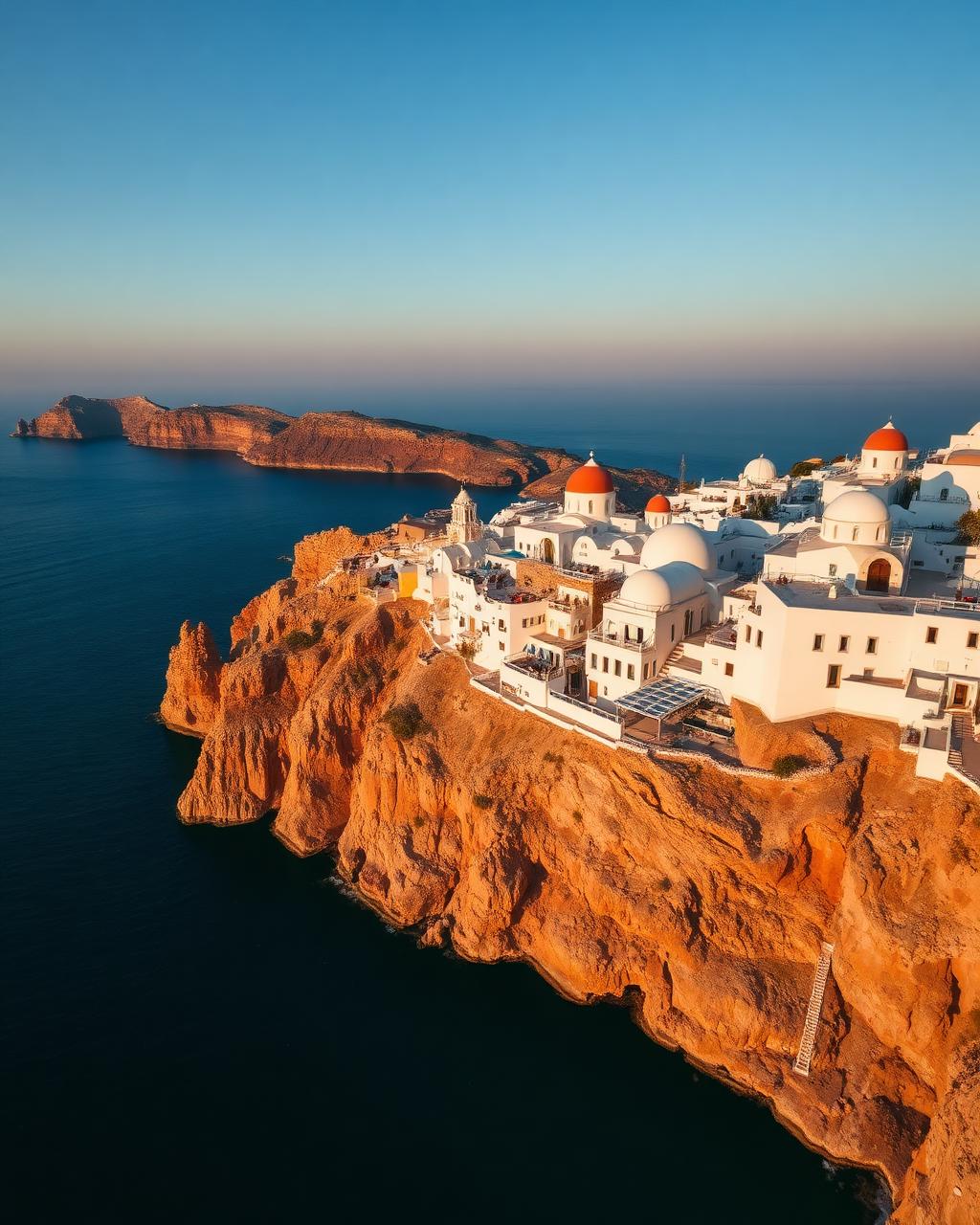
Esbjerg
Forest trails, lake swims and the kind of stars you forget exist.
Esbjerg shifts from industrial grit to windswept tranquility the moment you leave the harbor’s shadow. In the Marbæk nature reserve, the North Sea air carries the scent of salt and pine needle as gravel paths wind through ancient heathland and oak thickets. While the 'Men at Sea' statues stoically watch the tides, the real pulse of the landscape is found in the hush of the Nørreskov forest or during a crisp autumn afternoon spent foraging for sea buckthorn. Beyond the urban grid of Kongensgade, the horizon opens into the Wadden Sea National Park. Here, the sky dominates everything, offering a celestial clarity at night that makes the constellation of Cassiopeia burn bright over the dark, silty ripples of the tideline. It is a place of rhythmic tides, cold-water plunges, and long, meditative walks through shifting dunes.
Best time to visit Esbjerg
The best time to visit Esbjerg is generally summer for easier access, or winter for dramatic light and solitude. Peak season pushes prices and crowds up; shoulder season is almost always the smarter trade-off — you'll find the same restaurants open, the same scenery, and noticeably better hotel value on Booking.com.
How to get to Esbjerg
Esbjerg is in Denmark, Europe. Most major European hubs connect by direct flight or high-speed rail, with frequent low-cost options from London, Paris, Amsterdam and Madrid. Once you arrive, allow a day to settle in — most travellers underestimate jet lag and over-pack day one.
Things to do in Esbjerg
Plan your days around hiking, wildlife spotting, scenic drives and photography. Build in at least one slow morning; the best memories rarely come from packed itineraries.
Where to stay in Esbjerg
On Booking.com, properties in Esbjerg start from around $210 per night. Filter by guest review score (8.5+), free cancellation, and your preferred neighbourhood. Booking close to the centre saves transit time and almost always pays for itself in extra hours actually enjoying Esbjerg.
Esbjerg travel FAQs
- When is the best time to experience Esbjerg’s natural landscape?
- Late May through August offers the mildest weather for swimming at Hjerting Strand and cycling the coastal routes. However, birdwatchers should aim for the 'Black Sun' phenomenon in spring or autumn when millions of starlings migrate across the nearby marshlands.
- What is the most efficient way to navigate the surrounding nature reserves?
- Cycling is the local standard, with well-marked trails like the North Sea Cycle Route connecting the city center to Marbæk. For those heading to the island of Fanø, the frequent ferry from the harbor takes just 12 minutes and puts you directly onto expansive sandy beaches.
- Which neighborhood provides the best access to both the city and the outdoors?
- Hjerting is the premier choice for nature lovers, located just north of the city proper with direct access to the promenade and forests. It offers a quieter, more upscale atmosphere than the central port district, perfect for sunset walks along the Wadden Sea.
- Is it possible to go seal spotting without a private boat?
- Yes, you can join organized 'seal safaris' that depart from the harbor or walk across the sands to Langli during the low-tide windows. Always check the tide tables at the Vadehavscentret first, as the North Sea returns rapidly and can cut off walking paths to the mainland.