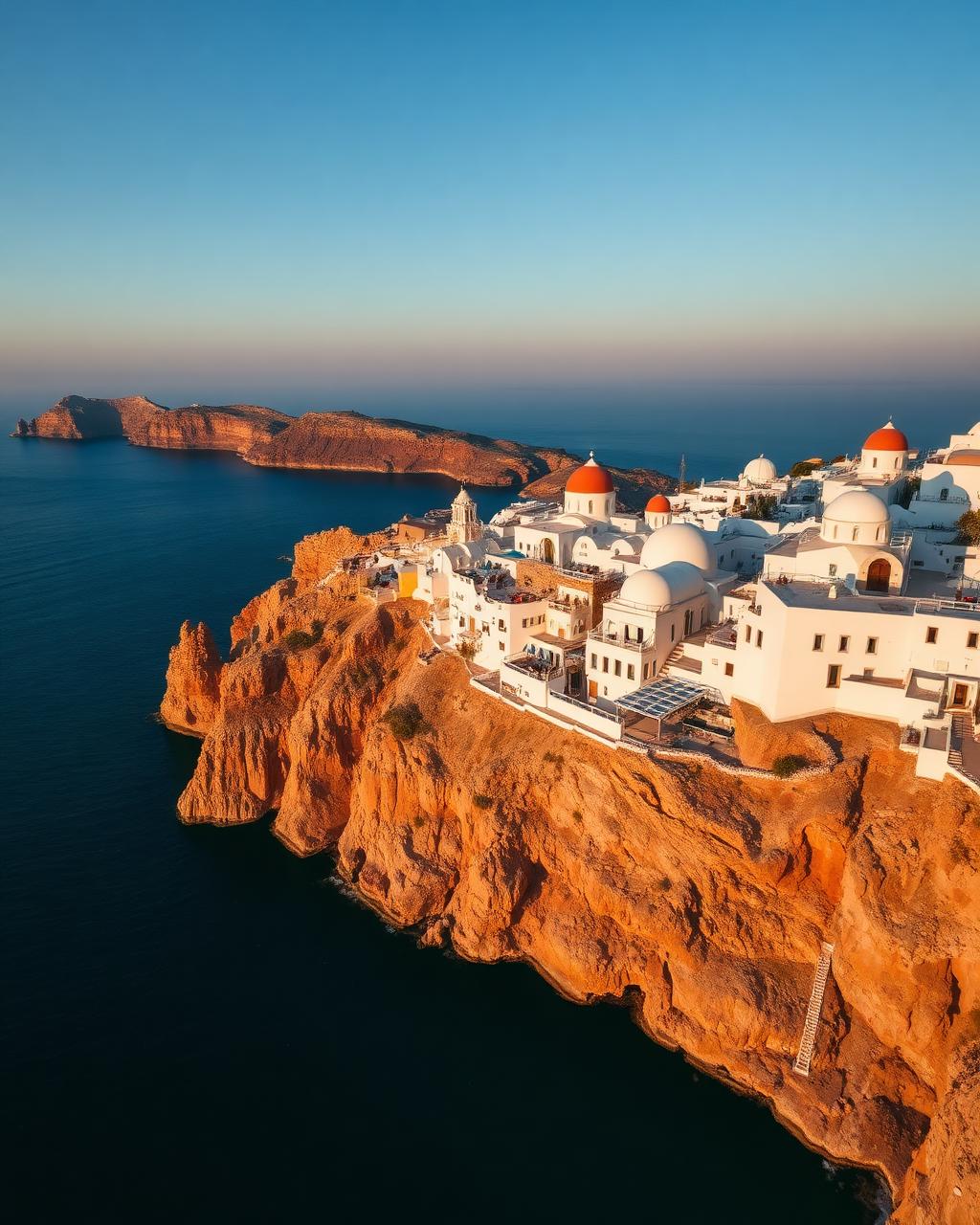
Famagusta
Outdoor first: hikes by day, fireside dinners by night.
Mornings in Famagusta begin with the sharp scent of juniper and wild sage drifting from the Agia Napa Forest Park trails, where limestone cliffs drop abruptly into the turquoise shock of Cape Greco. After navigating the rugged coastal paths that wind toward the Cyclops Cave, the landscape softens into the red-soil farmlands of Sotira. Here, the air carries the earthy aroma of kolokasi roasting in clay ovens. As the sun dips, the medieval sandstone walls of the old city glow amber, and the evening shift moves from the breezy harbors to tucked-away courtyard tavernas. Local life centers on shared plates of halloumi and grilled octopus over open wood fires. It is a place of stark contrasts, where the silence of the Varosha shoreline meets the rhythmic pulse of the Mediterranean surf under a wide, starlit sky.
Best time to visit Famagusta
The best time to visit Famagusta is generally summer for easier access, or winter for dramatic light and solitude. Peak season pushes prices and crowds up; shoulder season is almost always the smarter trade-off — you'll find the same restaurants open, the same scenery, and noticeably better hotel value on Booking.com.
How to get to Famagusta
Famagusta is in Cyprus, Europe. Most major European hubs connect by direct flight or high-speed rail, with frequent low-cost options from London, Paris, Amsterdam and Madrid. Once you arrive, allow a day to settle in — most travellers underestimate jet lag and over-pack day one.
Things to do in Famagusta
Plan your days around hiking, wildlife spotting, scenic drives and photography. Build in at least one slow morning; the best memories rarely come from packed itineraries.
Where to stay in Famagusta
On Booking.com, properties in Famagusta start from around $180 per night. Filter by guest review score (8.5+), free cancellation, and your preferred neighbourhood. Booking close to the centre saves transit time and almost always pays for itself in extra hours actually enjoying Famagusta.
Famagusta travel FAQs
- When is the best window for hiking and coastal trails?
- Plan your visit between late March and early May when the Mesaoria plain is flush with wildflowers and temperatures hover around 20°C. October and November are equally viable, offering warm sea temperatures for post-hike swims without the oppressive humidity of July.
- What is the most efficient way to navigate the region?
- Renting a car is essential for reaching remote trailheads like those at Kavos, as local bus services primarily connect major hubs like Ayia Napa and Paralimni. Ensure your rental agreement permits crossing the Green Line if you plan to explore the northern fortifications of the Enclosed Area.
- Which neighborhood serves as the best base for nature lovers?
- Stay in the Cape Greco outskirts or the quiet village of Protaras to bypass the resort crowds and gain immediate pedestrian access to the National Forest Park. For a more rustic experience, look for renovated stone guesthouses in the inland 'Kokkinochoria' or red-soil villages.
- Can I easily cross between the southern and northern sectors of the city?
- Yes, travelers can cross via the Deryneia checkpoint by presenting a valid passport or EU national ID card. This allows you to transition from the modern southern beaches to the Gothic ruins of the walled city and the Othello Castle in minutes.