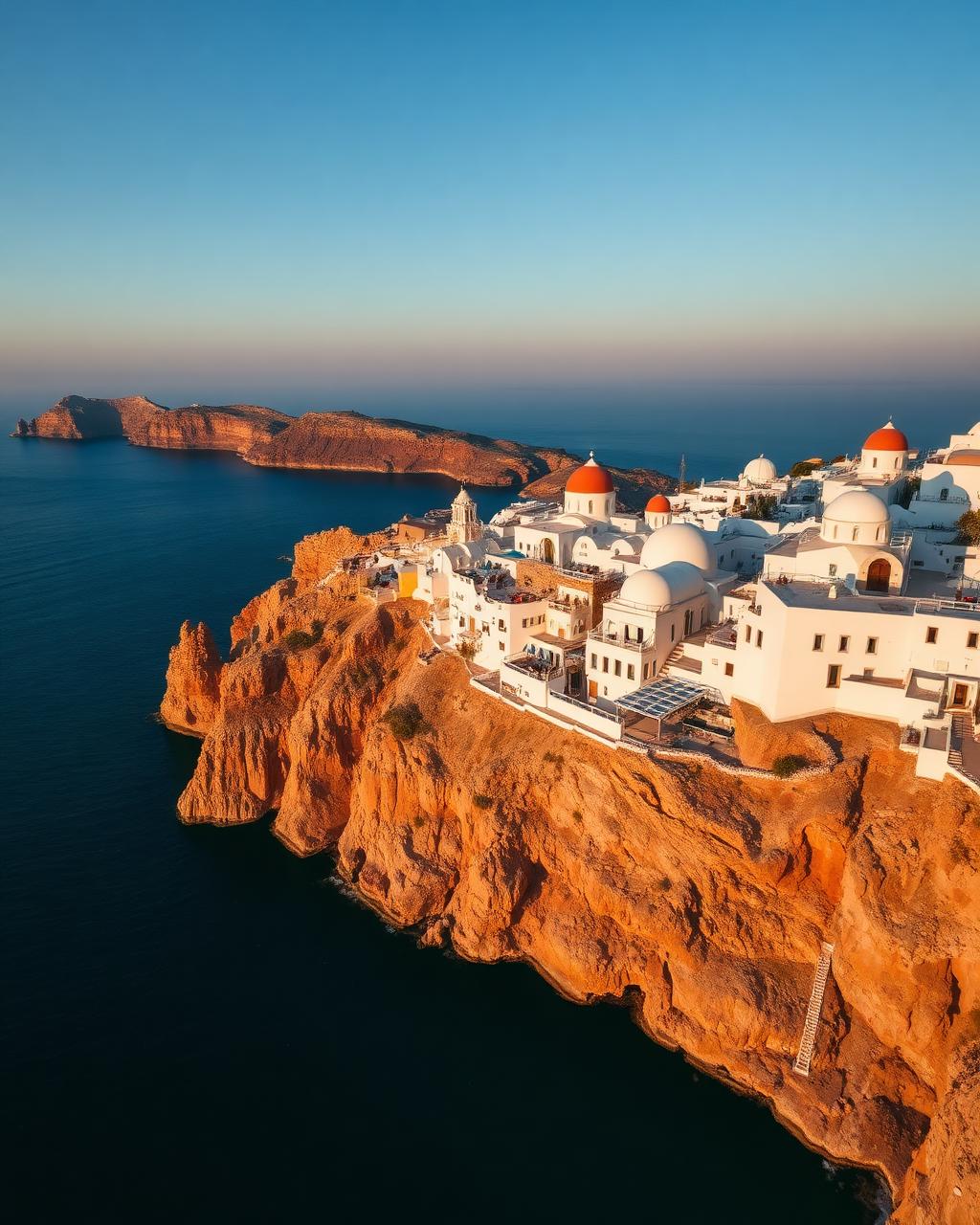
Foggia
Forest trails, lake swims and the kind of stars you forget exist.
Venture beyond the coastal shimmer of the Adriatic and climb into the high, rugged silhouette of the Gargano National Park. Here, the Umbra Forest creates a cathedral of ancient beech trees, where the air smells of wet limestone and wild cyclamen. In the quiet heights of the Daunian Mountains, the village of Roseto Valfortore serves as a base for hiking trails that dissolve into valleys untouched by mass tourism. Summer shifts the rhythm to the shores of Lake Lesina and Lake Varano, where the water is still and the night sky is so void of light pollution that the Milky Way hangs like smoke. Between the crunch of bruschetta topped with local Peranzana olive oil and the distant chime of goat bells, Foggia offers a primeval, wooded alternative to Italy’s crowded seaside resorts.
Best time to visit Foggia
The best time to visit Foggia is generally summer for easier access, or winter for dramatic light and solitude. Peak season pushes prices and crowds up; shoulder season is almost always the smarter trade-off — you'll find the same restaurants open, the same scenery, and noticeably better hotel value on Booking.com.
How to get to Foggia
Foggia is in Italy, Europe. Most major European hubs connect by direct flight or high-speed rail, with frequent low-cost options from London, Paris, Amsterdam and Madrid. Once you arrive, allow a day to settle in — most travellers underestimate jet lag and over-pack day one.
Things to do in Foggia
Plan your days around hiking, wildlife spotting, scenic drives and photography. Build in at least one slow morning; the best memories rarely come from packed itineraries.
Where to stay in Foggia
On Booking.com, properties in Foggia start from around $125 per night. Filter by guest review score (8.5+), free cancellation, and your preferred neighbourhood. Booking close to the centre saves transit time and almost always pays for itself in extra hours actually enjoying Foggia.
Foggia travel FAQs
- When is the best season to explore Foggia’s nature trails?
- Late May and early June offer peak wildflower blooms and comfortable temperatures for hiking the Gargano highlands. October is also excellent for the dramatic foliage changes and the celebrated mushroom and truffle harvests in the mountain villages.
- Is a car necessary for a nature-focused trip in this region?
- Yes, a rental car is essential for reaching the Umbra Forest and the remote Daunian peaks, as regional Sita Sud buses have limited schedules. Most rural trailheads and lake viewpoints are inaccessible via public transit from the Foggia city center.
- Where should I stay for the best access to outdoor activities?
- Book a renovated masseria near Monte Sant'Angelo for quick access to the trekking paths of the Gargano. Alternatively, stay in the town of Bovino if you prefer a hilltop atmosphere with views over the valley and proximity to the southern mountain trails.
- What is the local etiquette for foraging or wildlife spotting?
- Always stick to marked paths in the Gargano National Park to protect the rare wild orchids that grow here. If you are interested in foraging for mushrooms or wild edible greens, you must be accompanied by a licensed guide, as local forest rangers strictly enforce permit regulations.