Fréjus
Forest trails, lake swims and the kind of stars you forget exist.
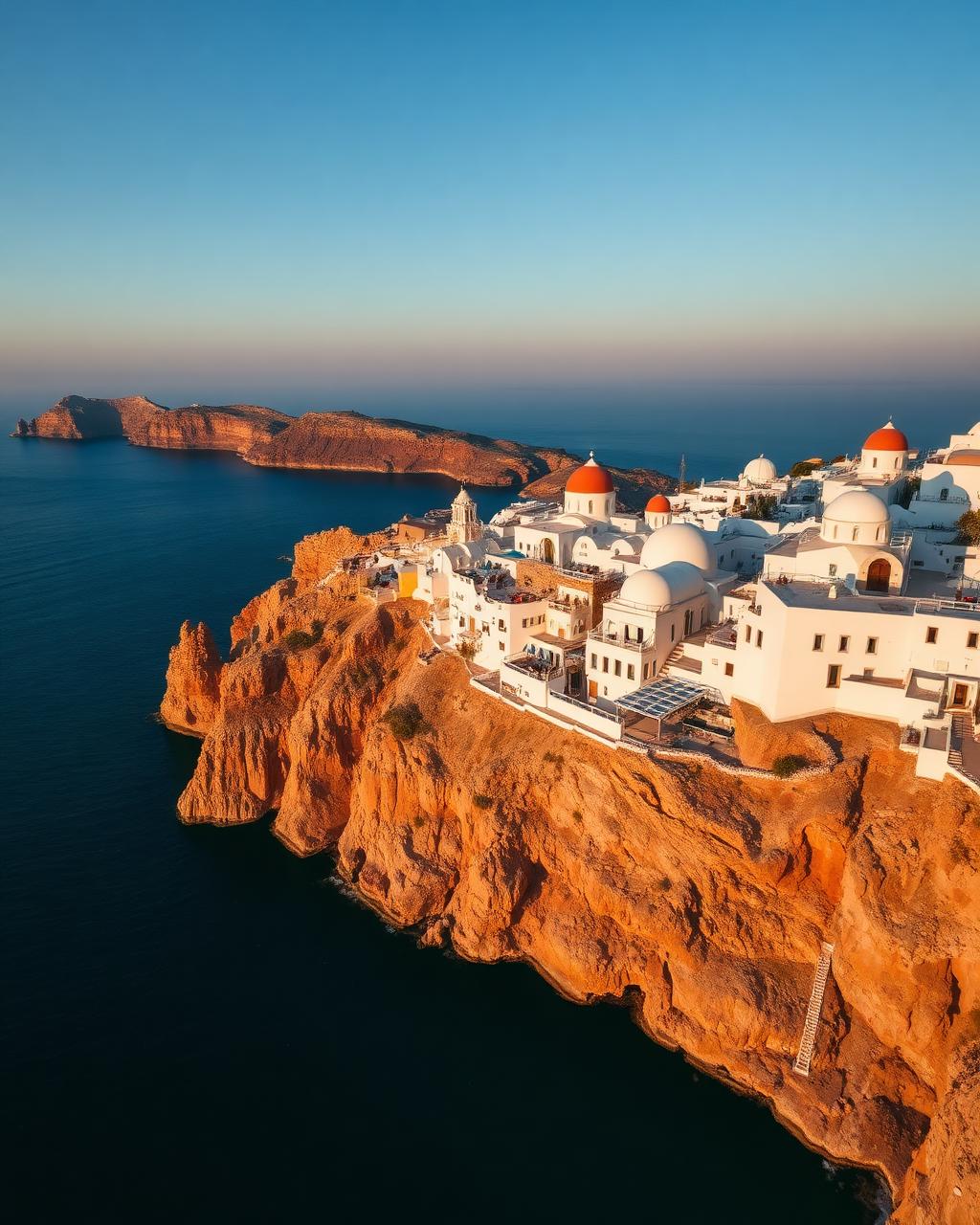
While the world crowds the Saint-Tropez docks, savvy escapees head for the foothills of the Massif de l'Esterel where the red porphyry rock glows against the teal Mediterranean. Morning in Fréjus starts with the scent of pine needles and warm fougasse bread at the Place Formigé market. Beyond the Roman amphitheater's shadow, the landscape transforms into a rugged playground. Afternoons are spent tracking the aromatic trails through the Foret Domaniale before a cooling plunge in Lake Saint-Cassien's freshwater basins. As the cicada drone fades, the sky over the Esterel heights reveals a clarity rarely seen on the coast. It is a place of dusty boots, salt-crusted skin, and the quiet rhythm of a Var summer where the wild hinterland matters more than the yacht basin.
Best time to visit Fréjus
The best time to visit Fréjus is generally summer for easier access, or winter for dramatic light and solitude. Peak season pushes prices and crowds up; shoulder season is almost always the smarter trade-off — you'll find the same restaurants open, the same scenery, and noticeably better hotel value on Booking.com.
How to get to Fréjus
Fréjus is in France, Europe. Most major European hubs connect by direct flight or high-speed rail, with frequent low-cost options from London, Paris, Amsterdam and Madrid. Once you arrive, allow a day to settle in — most travellers underestimate jet lag and over-pack day one.
Things to do in Fréjus
Plan your days around hiking, wildlife spotting, scenic drives and photography. Build in at least one slow morning; the best memories rarely come from packed itineraries.
Where to stay in Fréjus
On Booking.com, properties in Fréjus start from around $155 per night. Filter by guest review score (8.5+), free cancellation, and your preferred neighbourhood. Booking close to the centre saves transit time and almost always pays for itself in extra hours actually enjoying Fréjus.
Fréjus travel FAQs
- When is the best time for hiking and outdoor activities in Fréjus?
- Late May and September offer the ideal balance of warm water and manageable air temperatures for the Esterel trails. Avoid July and August if you plan on heavy trekking, as fire risks often lead to temporary forest closures for safety.
- What is the most efficient way to reach the nearby nature reserves?
- While the town center is walkable, a rental car or e-bike is essential to reach the trailheads and secluded swimming spots at Lake Saint-Cassien. Local buses run to the beach, but they rarely service the deep forest access points where the best views are found.
- Which neighborhood provides the best access to both nature and local life?
- Stay in the Old Town (Vieille Ville) for authentic charm and evening proximity to traditional bistros. If your priority is immediate morning access to the sea and nature paths, look for rentals near the Port-Fréjus II extension which borders the protected wetlands.
- Can I drink the tap water or should I bring supplies for long hikes?
- Tap water is safe, but the Mediterranean heat is intense; always carry two liters per person when entering the Massif. There are few natural springs in the red rock, so fill up at the public 'fontaines' in the center before heading into the wild ridges.