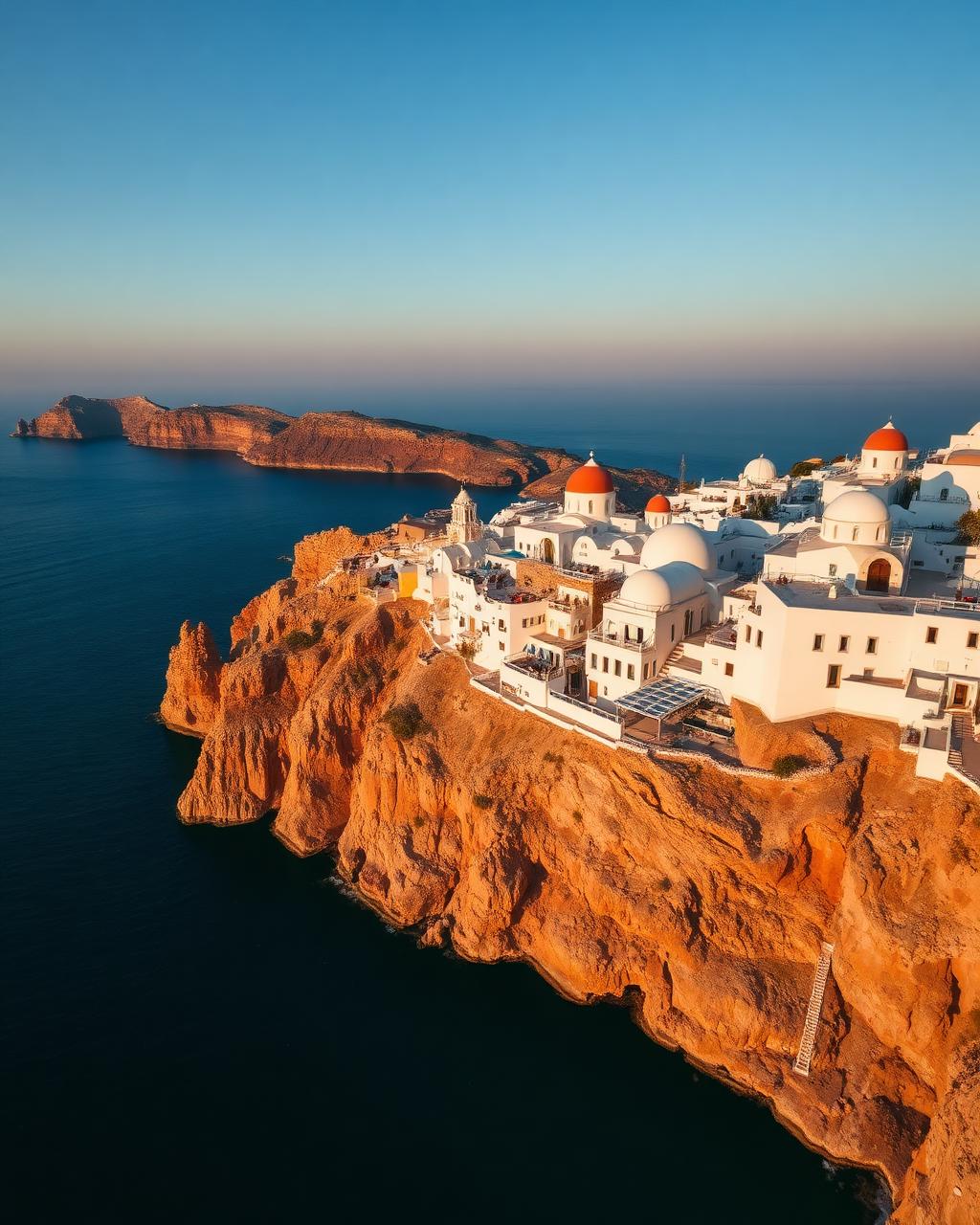
Fulda
Outdoor first: hikes by day, fireside dinners by night.
Fulda serves as the high-altitude gateway to the Rhön Biosphere Reserve, where the crisp air of the Wasserkuppe peak meets the Baroque symmetry of the city center. Morning mist clings to the meadows of the Frauenberg monastery before the sun illuminates the sandstone facade of the Fulda Cathedral. Beyond the manicured Schlossgarten, the landscape transforms into a rugged tapestry of volcanic basalt and ancient beech forests. In autumn, the wind whistles through the paragliding slopes of the 'Land of Open Distances' while the smell of charcoal fires and hearty Rhöner täschelt dumplings drifts from timber-framed taverns. It is a place defined by the crunch of gravel under hiking boots and the deep toll of the cathedral bells marking the transition from a day on the trails to a long, slow dinner by a stone hearth.
Best time to visit Fulda
The best time to visit Fulda is generally summer for easier access, or winter for dramatic light and solitude. Peak season pushes prices and crowds up; shoulder season is almost always the smarter trade-off — you'll find the same restaurants open, the same scenery, and noticeably better hotel value on Booking.com.
How to get to Fulda
Fulda is in Germany, Europe. Most major European hubs connect by direct flight or high-speed rail, with frequent low-cost options from London, Paris, Amsterdam and Madrid. Once you arrive, allow a day to settle in — most travellers underestimate jet lag and over-pack day one.
Things to do in Fulda
Plan your days around hiking, wildlife spotting, scenic drives and photography. Build in at least one slow morning; the best memories rarely come from packed itineraries.
Where to stay in Fulda
On Booking.com, properties in Fulda start from around $180 per night. Filter by guest review score (8.5+), free cancellation, and your preferred neighbourhood. Booking close to the centre saves transit time and almost always pays for itself in extra hours actually enjoying Fulda.
Fulda travel FAQs
- When is the most reliable window for outdoor activity in Fulda?
- May through September offers the most stable weather for conquering the Milseburg trail, though late October provides a spectacular display of golden beech foliage. Winter sports enthusiasts should visit in January or February when the high Rhön plateaus are frequently blanketed in snow for cross-country skiing.
- What is the most efficient way to access the nearby hiking trailheads?
- The 'HochRhönBus' seasonal transit line connects Fulda's central station directly to major trailheads like the Wasserkuppe and Kreuzberg. For more flexibility in the remote valleys, a rental car is recommended, though the city itself is entirely walkable and bike-friendly.
- Which neighborhood provides the best balance of nature and amenities?
- Stay in the Altstadt or near the Schlossgarten to remain within walking distance of the Baroque district's restaurants and the train station. For a quieter, rustic experience, search for guesthouses in the Gläserberg area or the suburb of Künzell, which places you directly on the edge of the forest.
- What is a distinctive local culinary tradition I should look for?
- Seek out 'Rhöner Bio-Lamm' (local organic lamb) at regional taverns, which is a staple of the area's sustainable farming initiatives. Pair it with a beer from the Kloster Kreuzberg monastery, where monks have been brewing heavy, dark Schwarzbier for centuries.