Gangneung
Forest trails, lake swims and the kind of stars you forget exist.
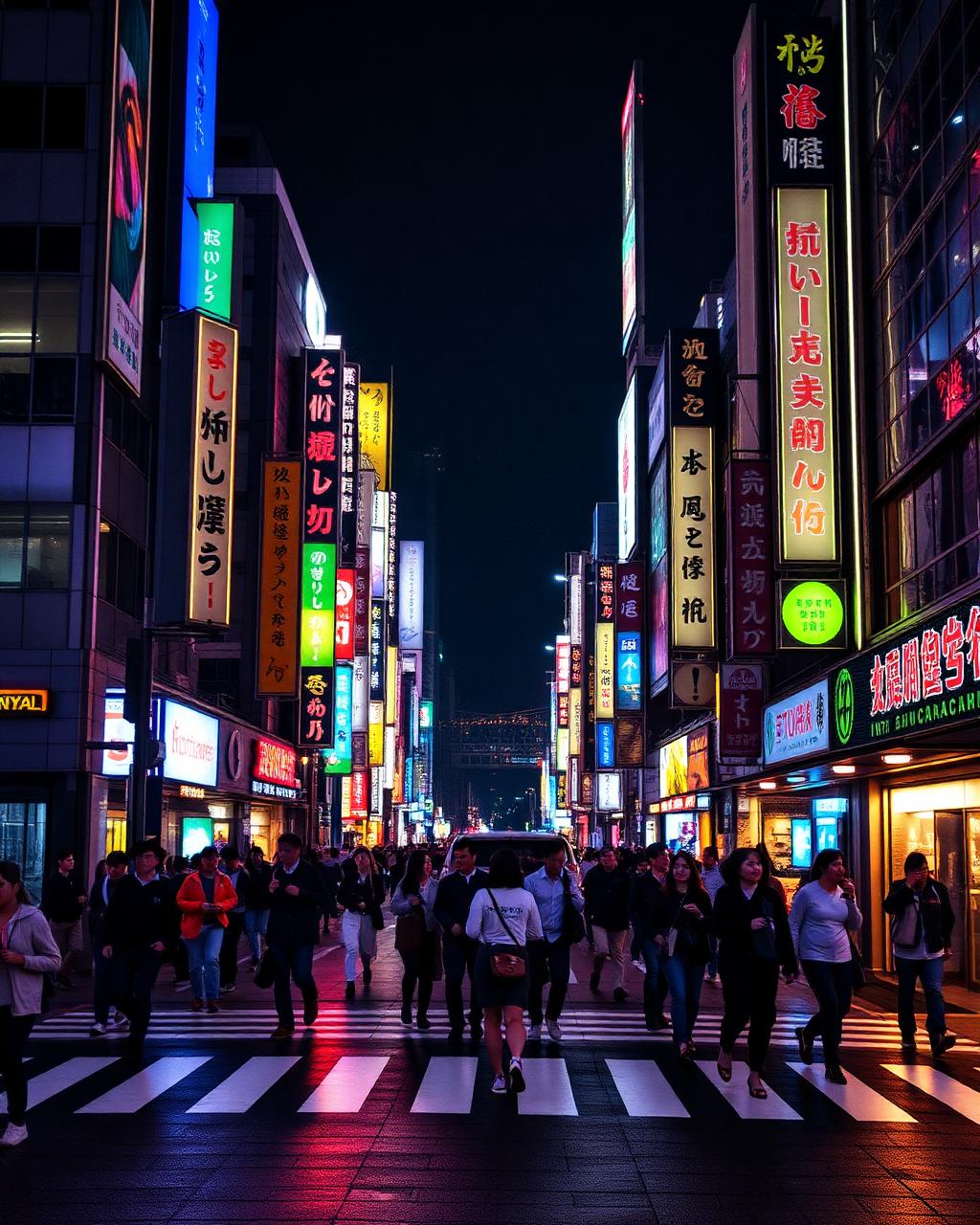
In Gangneung, the pine-scented breeze off the East Sea meets the stillness of Gyeongpo Lake, creating a coastal retreat that feels world's away from Seoul’s neon pulse. Mornings begin along the forested trails of Heonhwa-ro, where the rugged cliffs plunge into turquoise water, followed by a quiet immersion in the towering bamboo groves of Ojukheon. The city’s rhythmic heartbeat is found in the crunch of sand at Anmok Beach and the steam rising from bowls of soft chundangbu tofu in the Chodang neighborhood. As autumn turns the surrounding Taebaek Mountains into a canvas of burnt orange and deep crimson, the air clears, revealing a celestial sprawl over the water that defies the light pollution of the capital. It is a place of deep inhalations and salt-crusted skin.
Best time to visit Gangneung
The best time to visit Gangneung is generally summer for easier access, or winter for dramatic light and solitude. Peak season pushes prices and crowds up; shoulder season is almost always the smarter trade-off — you'll find the same restaurants open, the same scenery, and noticeably better hotel value on Booking.com.
How to get to Gangneung
Gangneung is in South Korea, Asia. Long-haul connections route through Singapore, Bangkok, Tokyo, Seoul or Dubai, with onward short-hauls to the rest of the region. Once you arrive, allow a day to settle in — most travellers underestimate jet lag and over-pack day one.
Things to do in Gangneung
Plan your days around hiking, wildlife spotting, scenic drives and photography. Build in at least one slow morning; the best memories rarely come from packed itineraries.
Where to stay in Gangneung
On Booking.com, properties in Gangneung start from around $220 per night. Filter by guest review score (8.5+), free cancellation, and your preferred neighbourhood. Booking close to the centre saves transit time and almost always pays for itself in extra hours actually enjoying Gangneung.
Gangneung travel FAQs
- When is the ideal window for a nature-focused trip to Gangneung?
- Late September to early November offers crisp air and the most reliable visibility for stargazing near the mountains. While summer is popular for swimming in Gyeongpo, the autumn foliage in nearby Odaesan National Park provides a more dramatic backdrop for hikers.
- What is the most efficient way to navigate the coastline and lakeside?
- The KTX-Eum high-speed train connects Seoul to Gangneung in under two hours, but once there, renting a bicycle is best for the flat 4km Gyeongpo Lake loop. For the more remote coastal roads and high mountain trailheads, a rental car or the local 'Sea Train' provides the necessary flexibility.
- Which neighborhood serves as the best base for avoiding crowds?
- Stay in the Chodang-dong area to be tucked between the pine forests and the lake rather than the busier hotel strips of Gyeongpo Beach. This puts you within walking distance of the famous tofu houses and quieter, residential forest paths.
- What is the local dining etiquette for the famous Chodang sootofu?
- When visiting the specialized tofu villages, expect menus to be focused on a single style, often served in a communal large pot or as individual soft curds in seawater. It is customary to arrive before the lunch rush, as many of the most authentic, small-batch kitchens close early once their daily supply is exhausted.