Gapyeong
National parks on the doorstep, mountain air and proper silence.
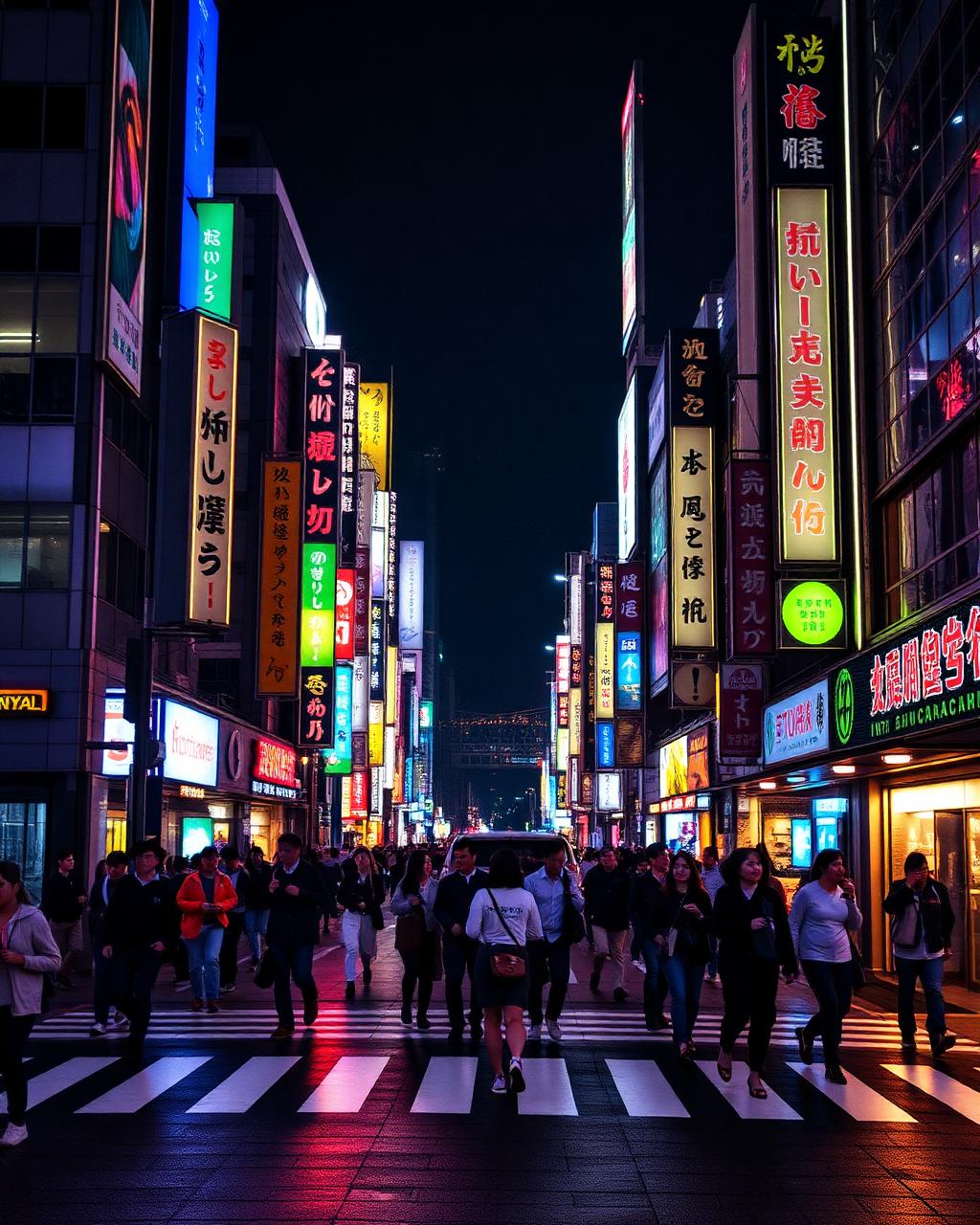
Gapyeong serves as Seoul’s lung, a jagged expanse of granite peaks and cedar forests where the city hum dissolves into the rustle of ginkgo leaves. Most morning arrivals head straight to Nami Island’s tree-lined avenues, but the region’s soul lies in the quiet trails of Kalbongsan and the mist-heavy mornings at the Garden of Morning Calm. Here, autumn turns the hillsides into a copper blaze, while winter brings a stark, silent beauty to the frozen Bukhangang River. You will find yourself eating spicy dak-galbi in bustling stalls near Gapyeong Station before retreating to a secluded pension in the Buk-myeon valleys. The air smells of pine and damp earth, offering a sensory reset that feels a world away from the neon glare of the capital.
Best time to visit Gapyeong
The best time to visit Gapyeong is generally summer for easier access, or winter for dramatic light and solitude. Peak season pushes prices and crowds up; shoulder season is almost always the smarter trade-off — you'll find the same restaurants open, the same scenery, and noticeably better hotel value on Booking.com.
How to get to Gapyeong
Gapyeong is in South Korea, Asia. Long-haul connections route through Singapore, Bangkok, Tokyo, Seoul or Dubai, with onward short-hauls to the rest of the region. Once you arrive, allow a day to settle in — most travellers underestimate jet lag and over-pack day one.
Things to do in Gapyeong
Plan your days around hiking, wildlife spotting, scenic drives and photography. Build in at least one slow morning; the best memories rarely come from packed itineraries.
Where to stay in Gapyeong
On Booking.com, properties in Gapyeong start from around $165 per night. Filter by guest review score (8.5+), free cancellation, and your preferred neighbourhood. Booking close to the centre saves transit time and almost always pays for itself in extra hours actually enjoying Gapyeong.
Gapyeong travel FAQs
- When is the best season to experience Gapyeong’s natural landscape?
- Mid-October to early November offers the most dramatic scenery as the maple and ginkgo trees peak in color. Late spring is also ideal for hikers seeking wildflowers and mild temperatures before the heavy humidity of the summer monsoon season arrives.
- What is the most efficient way to navigate between the main sights?
- The Gapyeong City Tour Bus is the most practical option, running a circular route between the rail station, Nami Island, Petit France, and the Garden of Morning Calm. For those exploring the deeper mountain trails of Buk-myeon, hiring a local taxi or renting a car is necessary as public bus intervals can be infrequent.
- Which neighborhood is best for an overnight stay?
- Stay in the Cheongpyeong area if you want easy access to water sports and riverside cafes with mountain views. For a more secluded experience, look for a traditional 'pension' in the northern valleys near Yeoninsan Mountain where the focus is on stargazing and quiet creek-side relaxation.
- Is there a specific local specialty I should try beyond standard Korean fare?
- Gapyeong is famous for its high-quality pine nuts, which are incorporated into everything from savory porridges to local Makgeolli. Sampling the Gapyeong Pine Nut Makgeolli at a village market provides a creamy, nutty profile that you won't find in the mass-produced versions sold in Seoul.