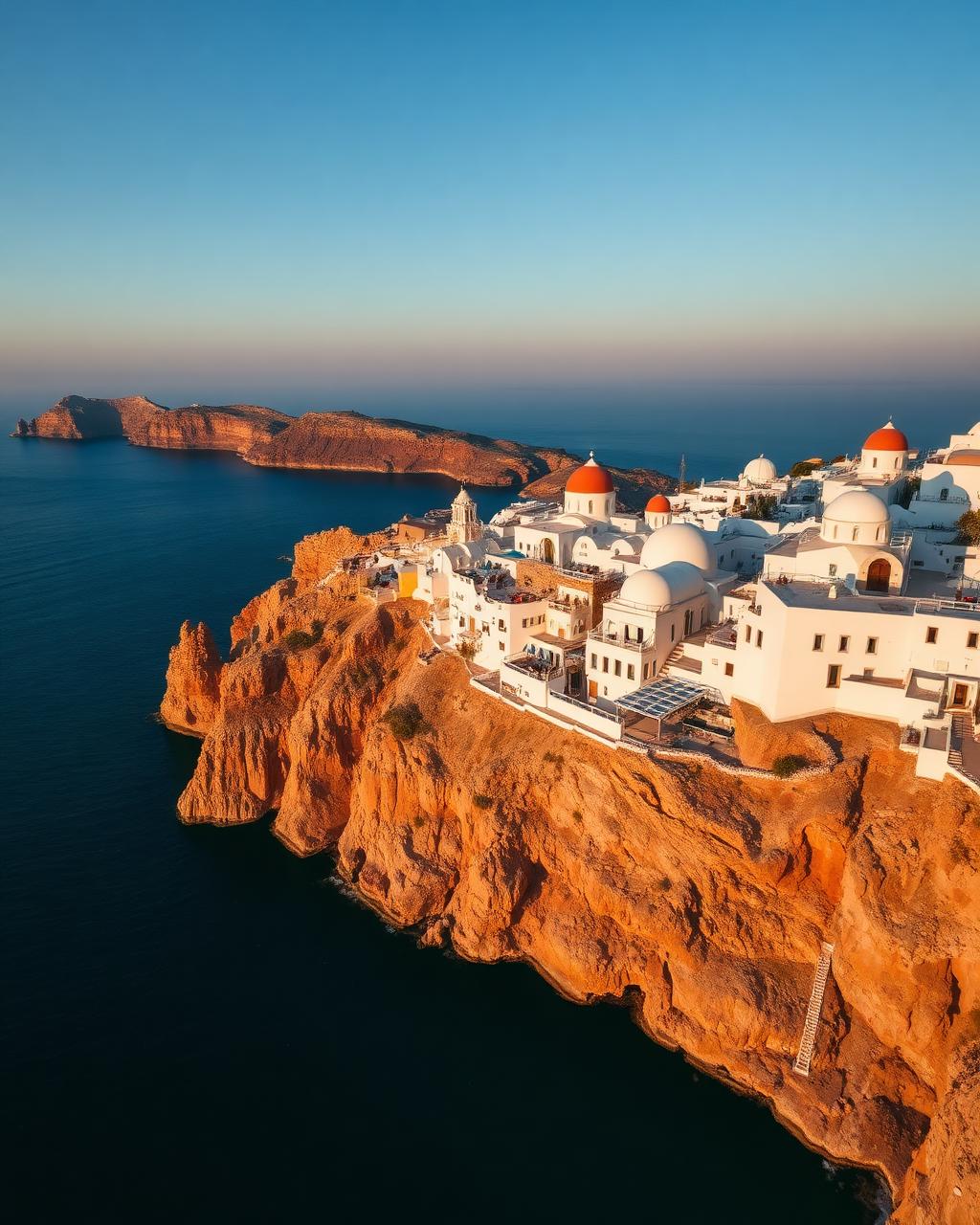
Grasse
National parks on the doorstep, mountain air and proper silence.
Grasse sits as a limestone balcony overlooking the Mediterranean, where the heavy scent of jasmine and tuberose gives way to the sharp, resinous air of the Prealps. Beyond the winding alleys of the Vieille Ville and the heritage perfumeries of Boulevard Fragonard, the landscape shifts abruptly into the rugged terrain of the Parc Naturel Régional des Préalpes d'Azur. Here, the hum of the coast disappears, replaced by the sound of wind through dry scrub and the distant clatter of limestone scree. Spring brings a riot of wild thyme and broom to the plateaus, while autumn crispness settles over the surrounding olive groves. It is a place for slow mornings over cafe au lait and fougassette—the local orange-blossom scented brioche—before retreating into the high-altitude silence of the limestone ridges that loom directly north of the town center.
Best time to visit Grasse
The best time to visit Grasse is generally summer for easier access, or winter for dramatic light and solitude. Peak season pushes prices and crowds up; shoulder season is almost always the smarter trade-off — you'll find the same restaurants open, the same scenery, and noticeably better hotel value on Booking.com.
How to get to Grasse
Grasse is in France, Europe. Most major European hubs connect by direct flight or high-speed rail, with frequent low-cost options from London, Paris, Amsterdam and Madrid. Once you arrive, allow a day to settle in — most travellers underestimate jet lag and over-pack day one.
Things to do in Grasse
Plan your days around hiking, wildlife spotting, scenic drives and photography. Build in at least one slow morning; the best memories rarely come from packed itineraries.
Where to stay in Grasse
On Booking.com, properties in Grasse start from around $125 per night. Filter by guest review score (8.5+), free cancellation, and your preferred neighbourhood. Booking close to the centre saves transit time and almost always pays for itself in extra hours actually enjoying Grasse.
Grasse travel FAQs
- When is the best time to experience Grasse’s floral landscape?
- Visit in May to see the Centifolia roses in bloom or August for the jasmine harvest, which defines the town's olfactory calendar. For hiking in the neighboring national park, September offers the clearest visibility and mildest temperatures without the summer haze.
- Do I need a car to explore the Grasse backcountry?
- While the town center is walkable and connected to Cannes by train, a car is essential for reaching the high-altitude trails of the Préalpes d'Azur. Local buses serve nearby villages like Cabris, but they run infrequently on weekends and don’t reach the deep wilderness trailheads.
- Which neighborhood offers the quietest stay?
- Avoid the noisy transit hubs near the Gare de Grasse and instead look for guesthouses in the Saint-Jean or Saint-François districts. These residential areas sit on the upper slopes, offering terraced gardens and immediate access to the footpaths leading into the mountains.
- What is a truly local dish I should try beyond the perfume shops?
- Seek out Lou Fassum, a traditional Provençal dish of cabbage leaves stuffed with pork, rice, and peas, which is a specialty of the Grasse interior. It is most authentic in the small bistros near the Place aux Aires during the cooler months.