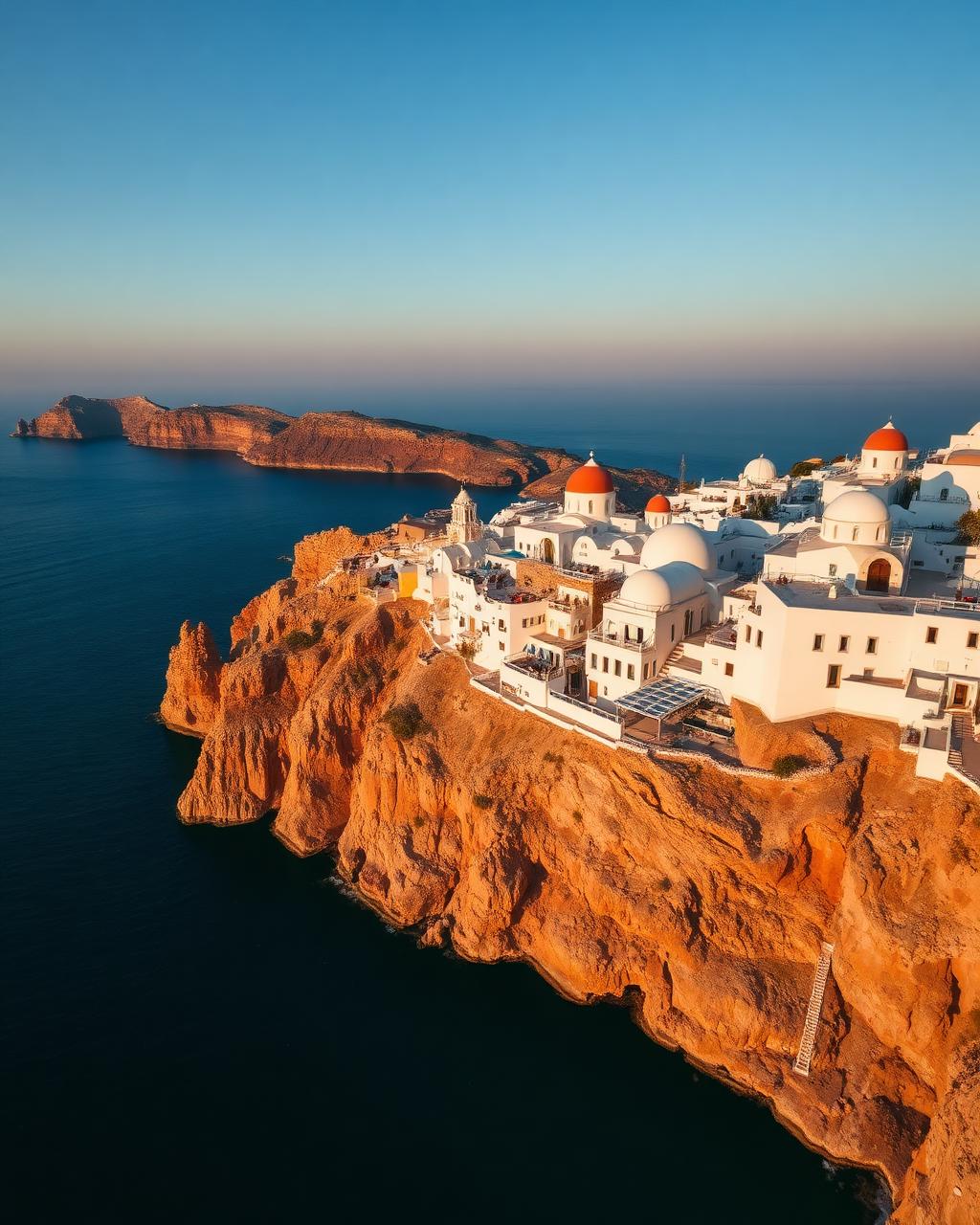
Great Yarmouth
Where you trade screen time for skylines made of peaks.
Great Yarmouth sheds its neon arcade skin as you drift toward the Martham Broad and the untamed edges of the Norfolk Broads National Park. Here, the North Sea wind carries the scent of salt spray and crushed samphire, replacing the hum of digital life with the clattering call of common cranes. The landscape is a horizontal masterclass of reedbeds and tidal mudflats, where the horizon is broken only by the skeletal geometry of drainage windmills. Kayak through the quiet arteries of the River Bure at sunrise to witness marsh harriers patrolling the golden grasses, or retreat to the shingle banks of Winterton-on-Sea to watch grey seals haul themselves onto the sand. It is a place of visceral textures, from the crunch of flint underfoot to the sharp, vinegary bite of market chips during a brisk autumn gale.
Best time to visit Great Yarmouth
The best time to visit Great Yarmouth is generally summer for easier access, or winter for dramatic light and solitude. Peak season pushes prices and crowds up; shoulder season is almost always the smarter trade-off — you'll find the same restaurants open, the same scenery, and noticeably better hotel value on Booking.com.
How to get to Great Yarmouth
Great Yarmouth is in United Kingdom, Europe. Most major European hubs connect by direct flight or high-speed rail, with frequent low-cost options from London, Paris, Amsterdam and Madrid. Once you arrive, allow a day to settle in — most travellers underestimate jet lag and over-pack day one.
Things to do in Great Yarmouth
Plan your days around hiking, wildlife spotting, scenic drives and photography. Build in at least one slow morning; the best memories rarely come from packed itineraries.
Where to stay in Great Yarmouth
On Booking.com, properties in Great Yarmouth start from around $180 per night. Filter by guest review score (8.5+), free cancellation, and your preferred neighbourhood. Booking close to the centre saves transit time and almost always pays for itself in extra hours actually enjoying Great Yarmouth.
Great Yarmouth travel FAQs
- When is the best season to experience the wildlife without the crowds?
- Late autumn through winter is transformation season, specifically between November and January when the grey seal colony at nearby Horsey Gap reaches peak pupping. The crisp weather also brings significant migrations of pink-footed geese and better visibility for birdwatching across the marshes.
- What is the most efficient way to navigate between the town and the nature reserves?
- Renting a bicycle offers the most flexibility for the flat coastal terrain, though the local 1 and 1A bus routes connect the central hub to northern villages like Hemsby. For the inland waterways, hiring a day boat from nearby Potter Heigham is the only way to access the deep reedbeds inaccessible by road.
- Which neighborhood offers the quietest stay away from the seaside amusements?
- Look for accommodation in Gorleston-on-Sea or Winterton-on-Sea to bypass the central Golden Mile intensity. These spots provide direct access to the dunes and cliff-top walks while maintaining a slower pace fueled by local independent cafes.
- Is there a specific local food tradition tied to the natural landscape?
- Smoked herring, known locally as bloaters, is the definitive Great Yarmouth heritage dish, though it is increasingly rare to find. Visit the traditional smokehouses near the historic South Quay to sample this oily, salt-cured delicacy that sustained the town's maritime industry for centuries.