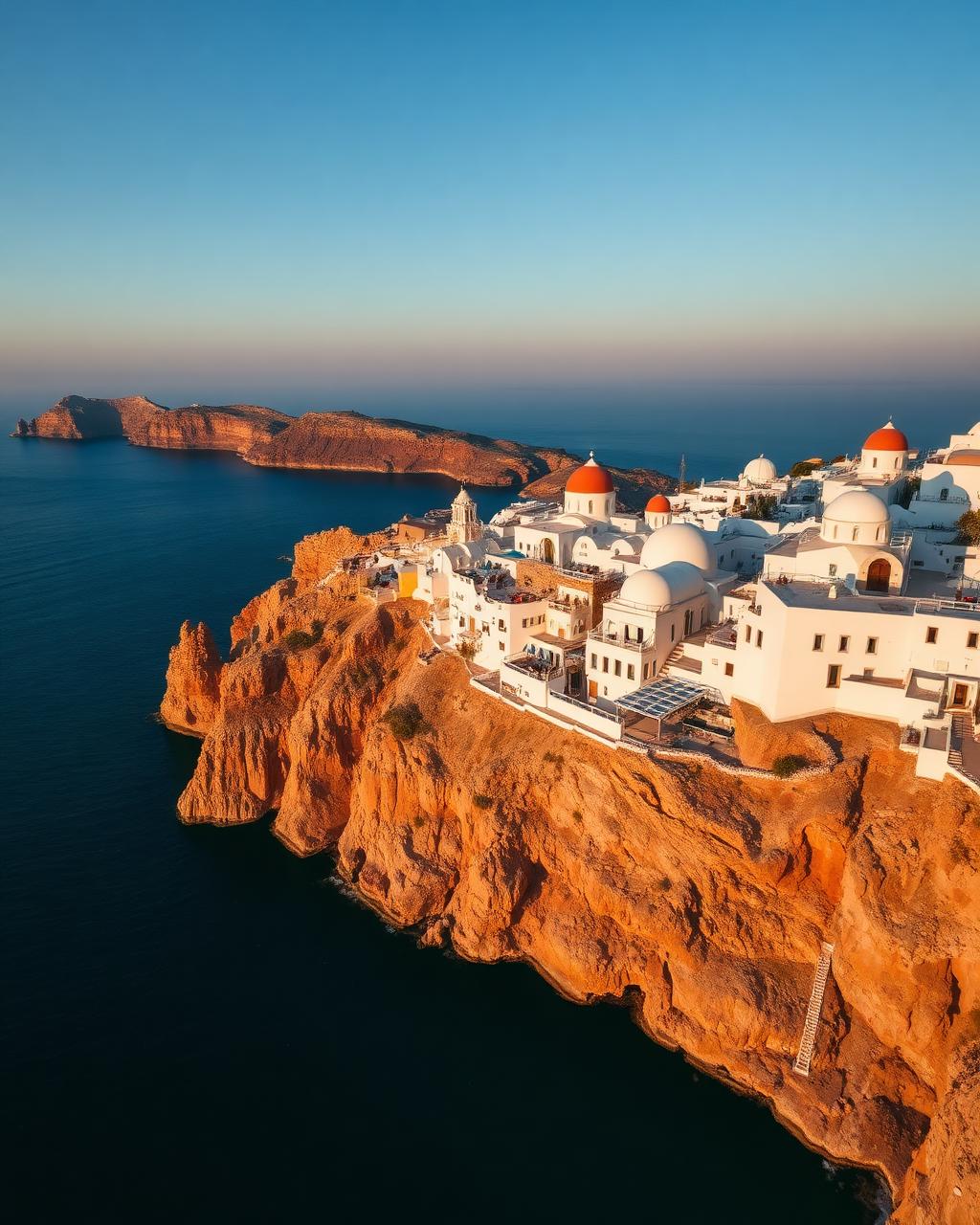
Isle of Skye
Where the scenery does the heavy lifting.
Steel-grey basalt ridges and the scent of peat smoke define the Isle of Skye, an island that refuses to be ignored. Mornings here begin in Portree with a breakfast of smoked kippers before the mist burns off the Old Man of Storr. You will hear the roar of the Rha waterfalls and the persistent rustle of wind through the Quiraing’s jagged pinnacles. In autumn, the Cuillin mountains turn a deep, rusted copper, providing a stark contrast to the neon-blue pools of Glen Brittle. Driving the single-track roads requires a steady hand and a willingness to yield to stray sheep, but the payoff is the sheer scale of the Trotternish Peninsula. Evenings belong to Talisker-soaked hospitality in wood-paneled pubs, watching the Atlantic churn against the Neist Point cliffs under a violet sky.
Best time to visit Isle of Skye
The best time to visit Isle of Skye is generally summer for easier access, or winter for dramatic light and solitude. Peak season pushes prices and crowds up; shoulder season is almost always the smarter trade-off — you'll find the same restaurants open, the same scenery, and noticeably better hotel value on Booking.com.
How to get to Isle of Skye
Isle of Skye is in UK, Europe. Most major European hubs connect by direct flight or high-speed rail, with frequent low-cost options from London, Paris, Amsterdam and Madrid. Once you arrive, allow a day to settle in — most travellers underestimate jet lag and over-pack day one.
Things to do in Isle of Skye
Plan your days around hiking, wildlife spotting, scenic drives and photography. Build in at least one slow morning; the best memories rarely come from packed itineraries.
Where to stay in Isle of Skye
On Booking.com, properties in Isle of Skye start from around $110 per night. Filter by guest review score (8.5+), free cancellation, and your preferred neighbourhood. Booking close to the centre saves transit time and almost always pays for itself in extra hours actually enjoying Isle of Skye.
Isle of Skye travel FAQs
- When can I avoid the crowds and the Highland midges?
- Late April to May offers the best balance of dry weather and long daylight hours before the midges emerge in June. September is also highly recommended for its golden lighting and the departure of the peak summer coach tours.
- Do I actually need to rent a car to see the island?
- Public buses exist but are infrequent and largely cater to school routes, making them impractical for reaching spots like the Fairy Pools. A car is essential for navigating the remote single-track roads where the best photography viewpoints are located.
- Which area serves as the best base for a three-day trip?
- Portree is the most logical hub due to its concentration of restaurants and central access to the northern loops. However, staying in Dunvegan or Carbost offers a quieter experience closer to the distillery and the dramatic western coastline.
- What is the etiquette for driving on Skye's single-track roads?
- Always use the designated pull-offs, known as passing places, to allow faster vehicles or oncoming traffic to pass. It is vital to check your mirrors frequently and never park inside a passing place, as this can cause total gridlock for locals and emergency services.