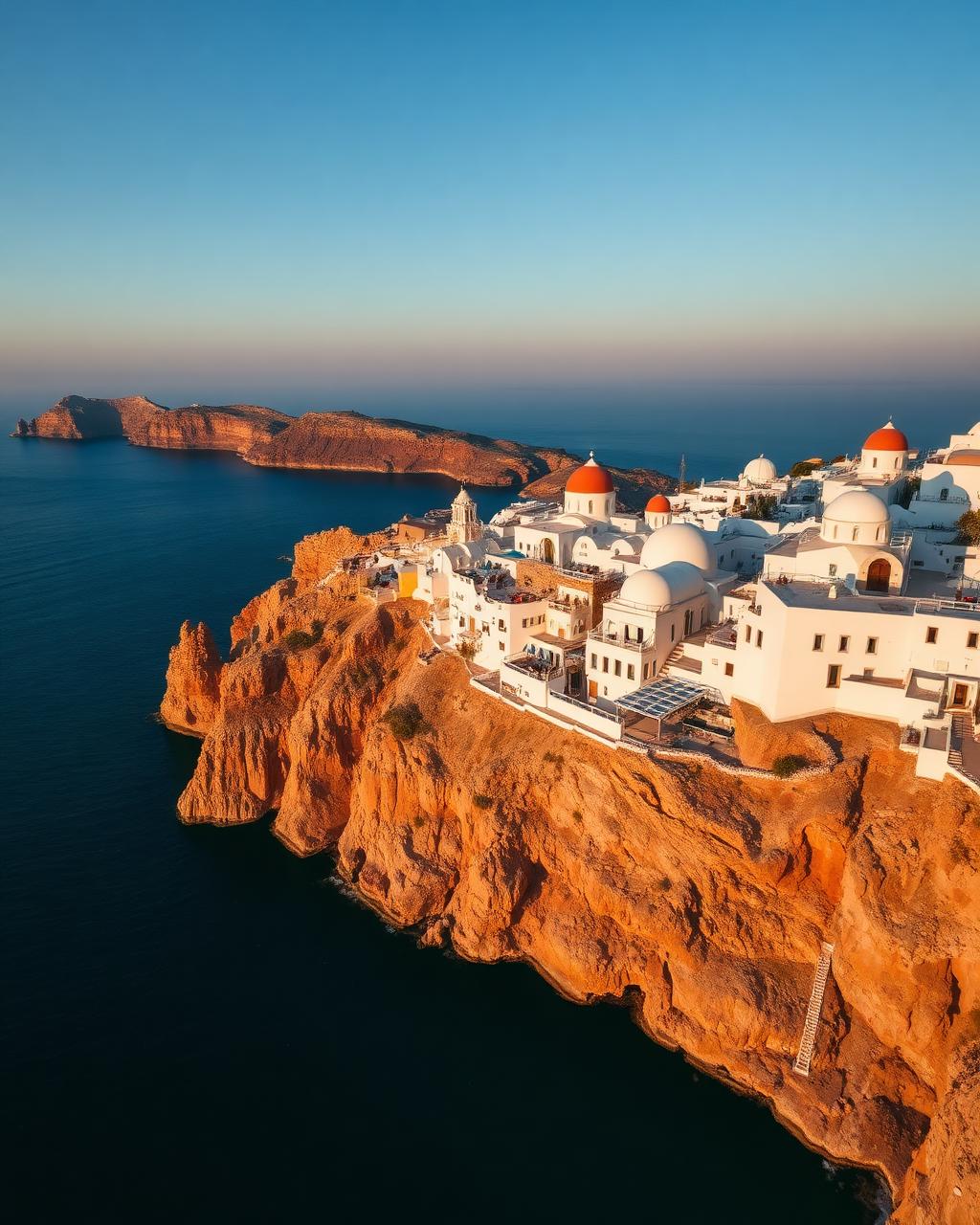
Ixelles
Outdoor first: hikes by day, fireside dinners by night.
In Ixelles, the urban pulse of Brussels softens into the emerald canopy of the Foret de Soignes. Mornings here begin with the scent of roasted coffee near Place Flagey, where damp mist often hangs over the ponds before sunlight hits the Art Deco facade of Le Flagey. You can leave the pavement behind at the Abbaye de la Cambre, transitioning from manicured lawns to the deep, silent beech groves of the forest in minutes. The neighborhood balances cosmopolitan energy with a rugged edge; after a day navigating tangled woodland trails, the reward is a wood-fired dinner near the Châtelain district, pairing local Trappist ales with hearty carbonnade. It is a place of transition where the city’s brick townhouses give way to centuries-old trees, perfect for those who prioritize a trail map over a museum pass.
Best time to visit Ixelles
The best time to visit Ixelles is generally summer for easier access, or winter for dramatic light and solitude. Peak season pushes prices and crowds up; shoulder season is almost always the smarter trade-off — you'll find the same restaurants open, the same scenery, and noticeably better hotel value on Booking.com.
How to get to Ixelles
Ixelles is in Belgium, Europe. Most major European hubs connect by direct flight or high-speed rail, with frequent low-cost options from London, Paris, Amsterdam and Madrid. Once you arrive, allow a day to settle in — most travellers underestimate jet lag and over-pack day one.
Things to do in Ixelles
Plan your days around hiking, wildlife spotting, scenic drives and photography. Build in at least one slow morning; the best memories rarely come from packed itineraries.
Where to stay in Ixelles
On Booking.com, properties in Ixelles start from around $165 per night. Filter by guest review score (8.5+), free cancellation, and your preferred neighbourhood. Booking close to the centre saves transit time and almost always pays for itself in extra hours actually enjoying Ixelles.
Ixelles travel FAQs
- When is the best season for hiking around Ixelles?
- Autumn, specifically late October, is transformative as the Foret de Soignes turns brilliant shades of copper and gold. The crisp air is ideal for long-distance treks, and the local markets are stocked with seasonal game and wild mushrooms.
- What is the most efficient way to reach the forest trails from the center?
- The Tram 94 line is your best asset, cutting directly toward the southern greenery and the Hippodrome. For a more active approach, use the Villo! bike share system to ride the dedicated cycle paths that lead from Place de la Petite Suisse straight into the woods.
- Where should I book accommodation for an outdoor-focused stay?
- Look for boutique stays near the Ixelles Ponds or the southern end of Avenue Louise for direct access to the parklands. These areas provide a quiet buffer from the city noise while keeping the trailhead at the Abbaye de la Cambre within a five-minute walk.
- Can I forage for mushrooms or berries in the local parks?
- Strict local regulations in the Brussels-Capital Region prohibit the picking of wild plants and fungi to protect the delicate ecosystem of the ancient beech forest. Enjoy the sights, but buy your local produce at the Wednesday Châtelain market instead.