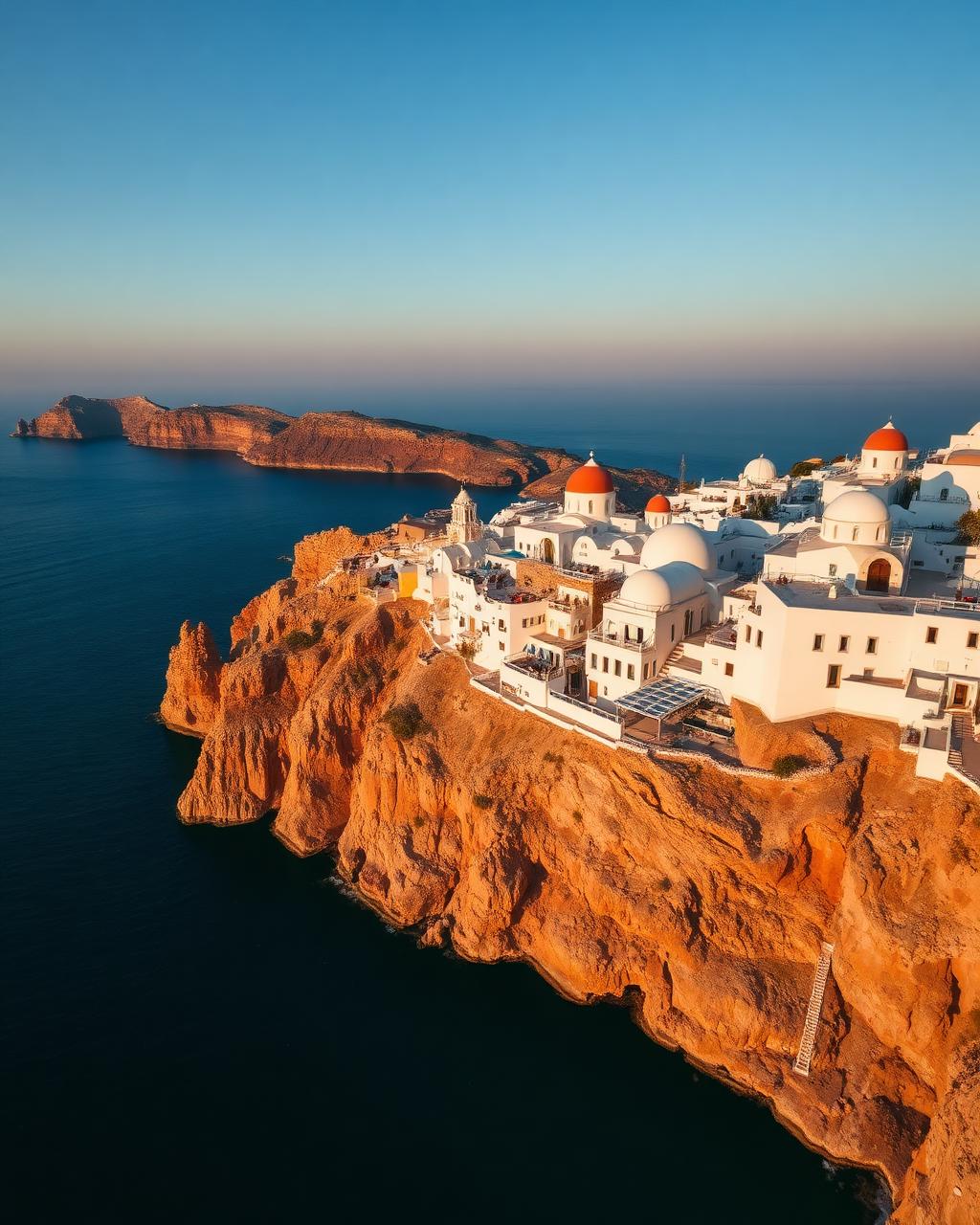
La Gomera
Where the scenery does the heavy lifting.
Rising sharply from the Atlantic, La Gomera abandons the resort-heavy tropes of the Canary Islands for a vertical world of deep barrancos and prehistoric laurel forests. In the mountain village of Agulo, you walk beneath terracotta roofs as the red cliffs of the northern coast drop into a churn of navy water. The air in Garajonay National Park feels heavy and ancient, smelling of damp moss and scorched heather, where the trade winds push low-hanging clouds through twisted branches. Lunch involves thick watercress soup served in wooden bowls and a side of almogrote, a sharp, spicy goat cheese paste that defines the local palate. From the sun-baked terraces of Valle Gran Rey to the misty high ridges, the landscape demands physical effort, rewarding those who navigate its hairpin turns with a raw, geological intensity found nowhere else in the archipelago.
Best time to visit La Gomera
The best time to visit La Gomera is generally summer for easier access, or winter for dramatic light and solitude. Peak season pushes prices and crowds up; shoulder season is almost always the smarter trade-off — you'll find the same restaurants open, the same scenery, and noticeably better hotel value on Booking.com.
How to get to La Gomera
La Gomera is in Spain, Europe. Most major European hubs connect by direct flight or high-speed rail, with frequent low-cost options from London, Paris, Amsterdam and Madrid. Once you arrive, allow a day to settle in — most travellers underestimate jet lag and over-pack day one.
Things to do in La Gomera
Plan your days around hiking, wildlife spotting, scenic drives and photography. Build in at least one slow morning; the best memories rarely come from packed itineraries.
Where to stay in La Gomera
On Booking.com, properties in La Gomera start from around $240 per night. Filter by guest review score (8.5+), free cancellation, and your preferred neighbourhood. Booking close to the centre saves transit time and almost always pays for itself in extra hours actually enjoying La Gomera.
La Gomera travel FAQs
- What is the best time of year for hiking in Garajonay?
- Spring from March to May offers the most vibrant flora and comfortable temperatures before the summer heat intensifies on the southern slopes. Autumn is equally reliable for clear skies, though the peaks can remain shrouded in fog regardless of the season.
- Is it worth renting a car or should I rely on the bus?
- A rental car is essential for navigating the steep, winding roads at your own pace, as the local 'guaguas' are geared toward commuter schedules. Be prepared for relentless switchbacks and narrow passes that make even short distances on the map take twice as long as expected.
- Where should I base myself for a balanced trip?
- Stay in San Sebastián if you want easy ferry access and a quiet, authentic town feel with Spanish plaza culture. For better weather and a beach-focused vibe, Valle Gran Rey is the preferred choice, though it requires a long, scenic drive across the island's central massif.
- What exactly is Silbo Gomero and can tourists hear it?
- Silbo Gomero is a unique whistled language used historically to communicate across the island's deep ravines. You can often hear demonstrations in restaurants in Las Rosas or Agulo, and it remains a mandatory subject in local schools to preserve its UNESCO-protected status.