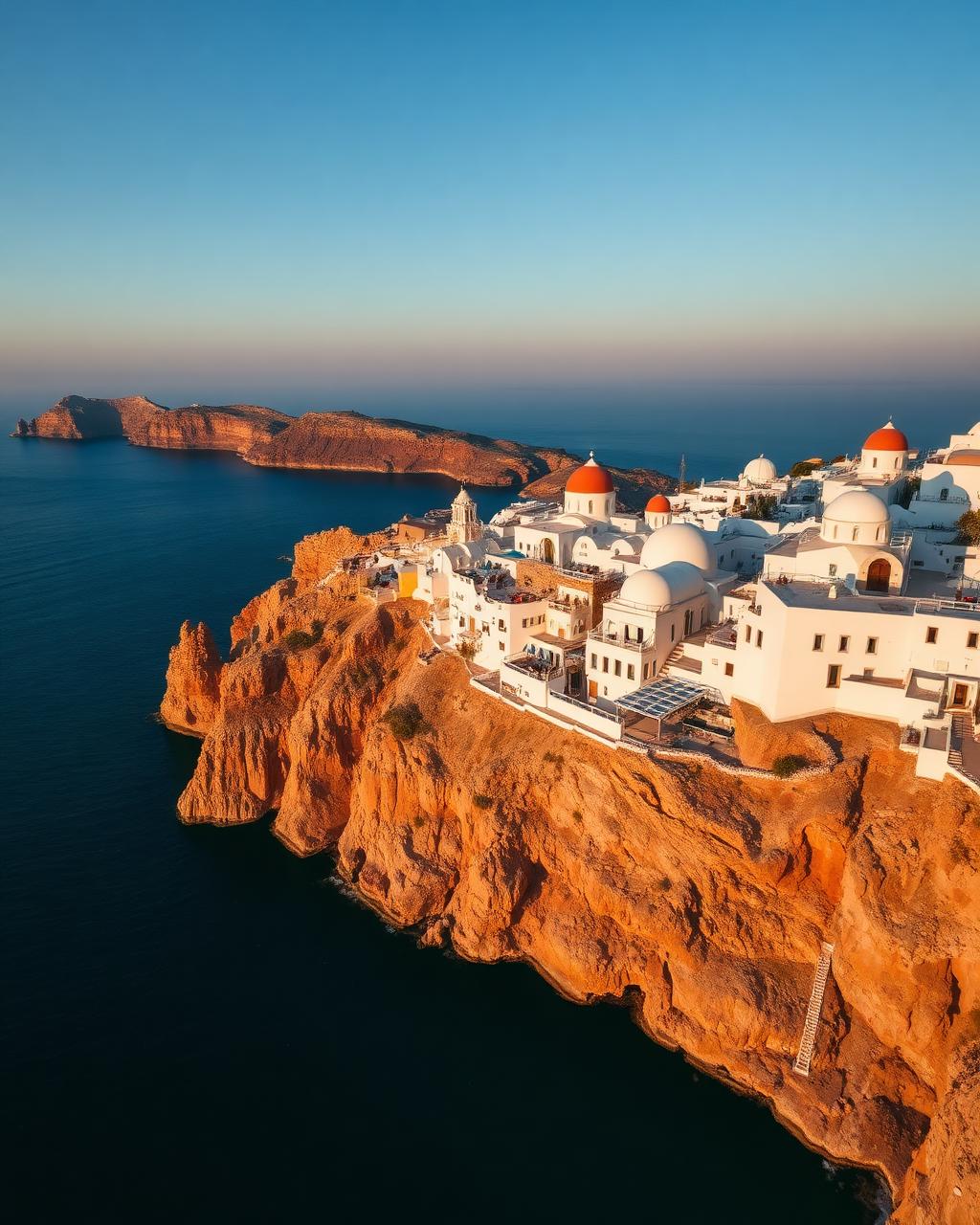
La Palma
A landscape that makes you walk slower.
Known as La Isla Bonita for its vertical drama, La Palma demands a steady pace. You feel the island’s pulse in the Caldera de Taburiente, where the scent of warm Canary pine needles fills the air and the roar of the Cascada de los Colores echoes against ochre walls. In the capital, Santa Cruz de la Palma, the salt breeze sweeps past the 16th-century wooden balconies of Avenida Marítima, while the south remains a stark, monochromatic contrast of fresh volcanic grit and neon-green banana plantations. Come autumn, when the trade winds soften, the sky above the Garafía observatory turns into a velvet screen of stars. Between sips of dark almond liqueur and bites of salt-crusted potatoes with spicy green mojo, you realize the steep, winding terrain isn't an obstacle but a meditation on the geological force of the Atlantic.
Best time to visit La Palma
The best time to visit La Palma is generally summer for easier access, or winter for dramatic light and solitude. Peak season pushes prices and crowds up; shoulder season is almost always the smarter trade-off — you'll find the same restaurants open, the same scenery, and noticeably better hotel value on Booking.com.
How to get to La Palma
La Palma is in Spain, Europe. Most major European hubs connect by direct flight or high-speed rail, with frequent low-cost options from London, Paris, Amsterdam and Madrid. Once you arrive, allow a day to settle in — most travellers underestimate jet lag and over-pack day one.
Things to do in La Palma
Plan your days around hiking, wildlife spotting, scenic drives and photography. Build in at least one slow morning; the best memories rarely come from packed itineraries.
Where to stay in La Palma
On Booking.com, properties in La Palma start from around $115 per night. Filter by guest review score (8.5+), free cancellation, and your preferred neighbourhood. Booking close to the centre saves transit time and almost always pays for itself in extra hours actually enjoying La Palma.
La Palma travel FAQs
- When is the best time to experience La Palma’s trails?
- The months of May and October offer the perfect balance of mild temperatures and clear skies for high-altitude trekking. Winter brings dramatic cloud seas over the ridges, though you should pack layers for the significant temperature drop at the Roque de los Muchachos summit.
- Should I rely on the bus system or rent a car?
- While the GuaGua bus network is reliable for coastal towns, a car is essential for reaching remote trailheads like the Los Tilos laurel forest. Be prepared for steep gradients and hairpin turns that require confident manual driving or a high-torque engine.
- Which part of the island is best for a home base?
- Los Llanos de Aridane offers the most sunshine and proximity to the national park, making it ideal for active hikers. For a more historic, atmospheric stay, choose Santa Cruz on the east coast, noting that it receives more morning cloud cover and occasional Atlantic swells.
- What is the local etiquette for dining and tipping in rural areas?
- Lunch is the main event here, usually served between 1:00 PM and 4:00 PM, where asking for a 'cortado condensada' is the standard way to end a meal. While service is included, rounding up the bill by a couple of euros is appreciated in family-run tascas.