Lifou
Where the day starts with sea swims and ends with sundowners.
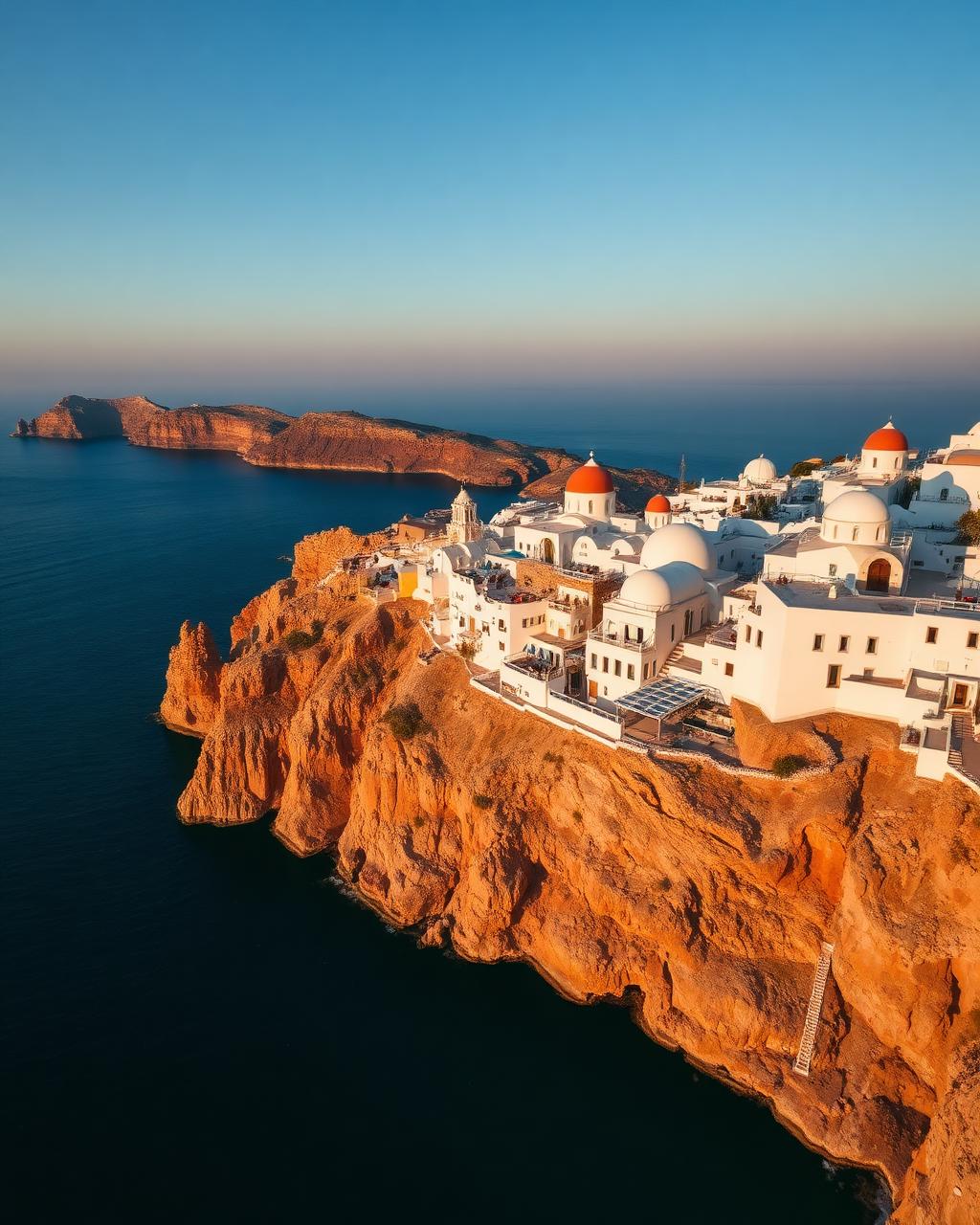
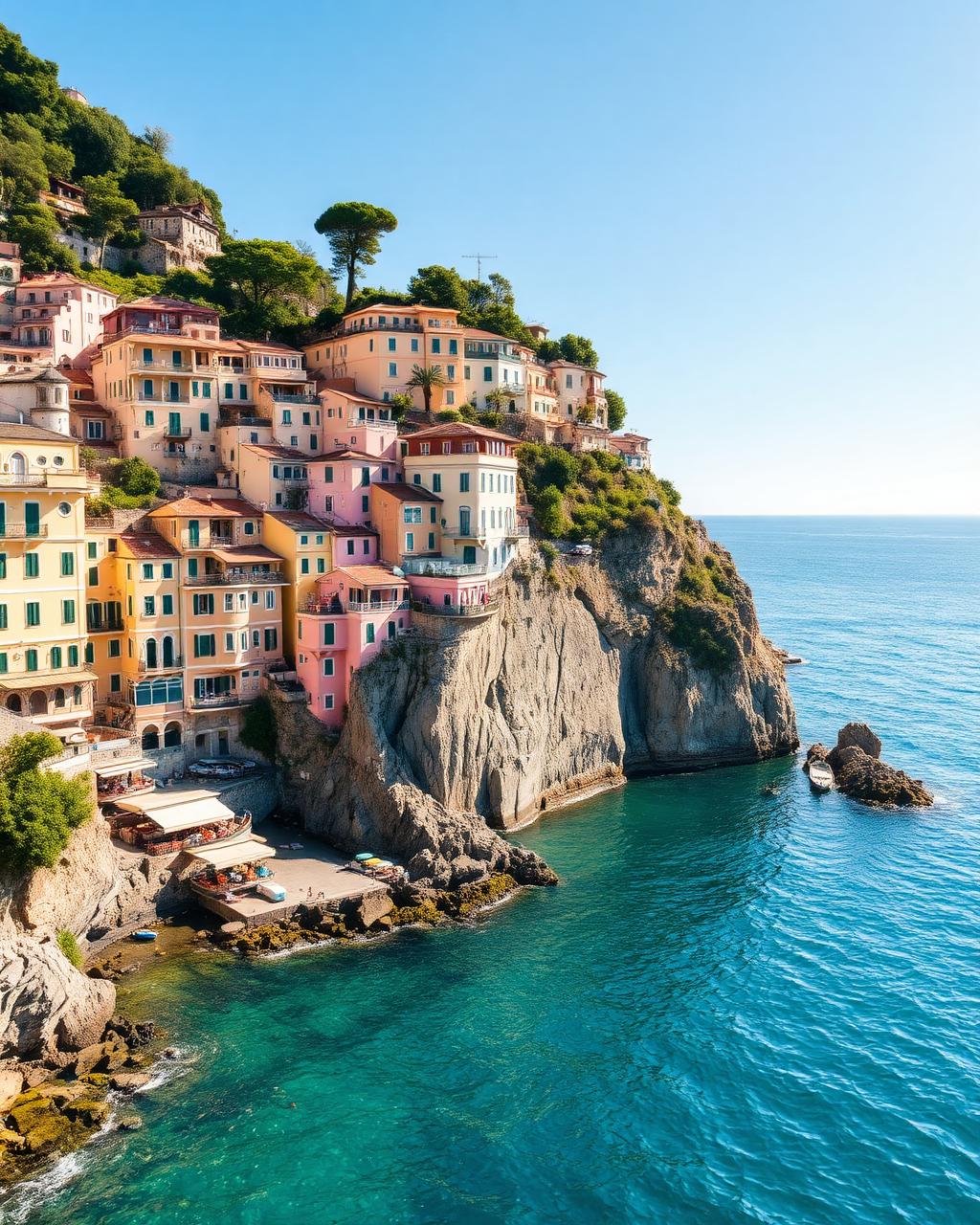
Mornings on Lifou begin at the hem of Jokin Cliffs, where the swell of the Pacific crunches against honeycomb limestone and the water takes on a neon transparency. This is the largest of the Loyalty Islands, a limestone plateau cloaked in dense tropical forest and fringed by the blinding white curves of Luengoni Beach. You will hear the rhythmic thrum of Kanak song drifting from thatch-roofed cases near Wé, the island’s administrative hub, while the scent of bougna—a traditional feast of yam, taro, and fish steamed in banana leaves—wafts from hot earth ovens. Outside the peak southern winter when trade winds cool the sand, the island feels draped in a heavy, humid stillness. It is a landscape of profound contrast, from the shadowy depths of subterranean grottoes to the vibrant coral gardens of Jinek Bay where clownfish dart through anemones.
Best time to visit Lifou
The best time to visit Lifou is generally late spring through early autumn for warm sea swims. Peak season pushes prices and crowds up; shoulder season is almost always the smarter trade-off — you'll find the same restaurants open, the same scenery, and noticeably better hotel value on Booking.com.
How to get to Lifou
Lifou is in New Caledonia, Oceania. Long-haul flights into Sydney, Melbourne, Auckland or Brisbane connect to almost everywhere in the region; direct seasonal flights run from major Asian hubs. Once you arrive, allow a day to settle in — most travellers underestimate jet lag and over-pack day one.
Things to do in Lifou
Plan your days around swimming, snorkelling, beach clubs and long sunset dinners. Build in at least one slow morning; the best memories rarely come from packed itineraries.
Where to stay in Lifou
On Booking.com, properties in Lifou start from around $225 per night. Filter by guest review score (8.5+), free cancellation, and your preferred neighbourhood. Booking close to the centre saves transit time and almost always pays for itself in extra hours actually enjoying Lifou.
Lifou travel FAQs
- When is the ideal window for a beach-focused trip to Lifou?
- Plan your visit between September and November for the lowest rainfall and mildest temperatures. The water remains warm enough for long snorkelling sessions without the intense humidity and cyclone risk of the peak summer months from December to March.
- What is the most reliable way to navigate the island's coastline?
- Renting a car at Wanaham Airport or in Wé is essential as Lifou is larger than Barbados and lacks a comprehensive public bus system. While some guesthouses offer bike rentals, the distances between the northern cliffs and southern beaches are significant and often require a vehicle.
- Where should I base myself for the best access to local life?
- Stay in the Wé or Easo areas; Wé offers proximity to shops and the local market, while Easo provides direct access to the best snorkelling at Jinek Bay. Consider a tribal stay in a traditional case for an immersive experience, or a bungalows-style lodge for more privacy.
- What is the proper etiquette when entering tribal lands or beaches?
- Many beaches and natural sites are on customary land, so it is respectful to perform 'la coutume' when entering a village. This involves offering a small gift, such as a 1,000 CFP note or a length of fabric, to the local chief or a community representative as a gesture of thanks for hosting you.