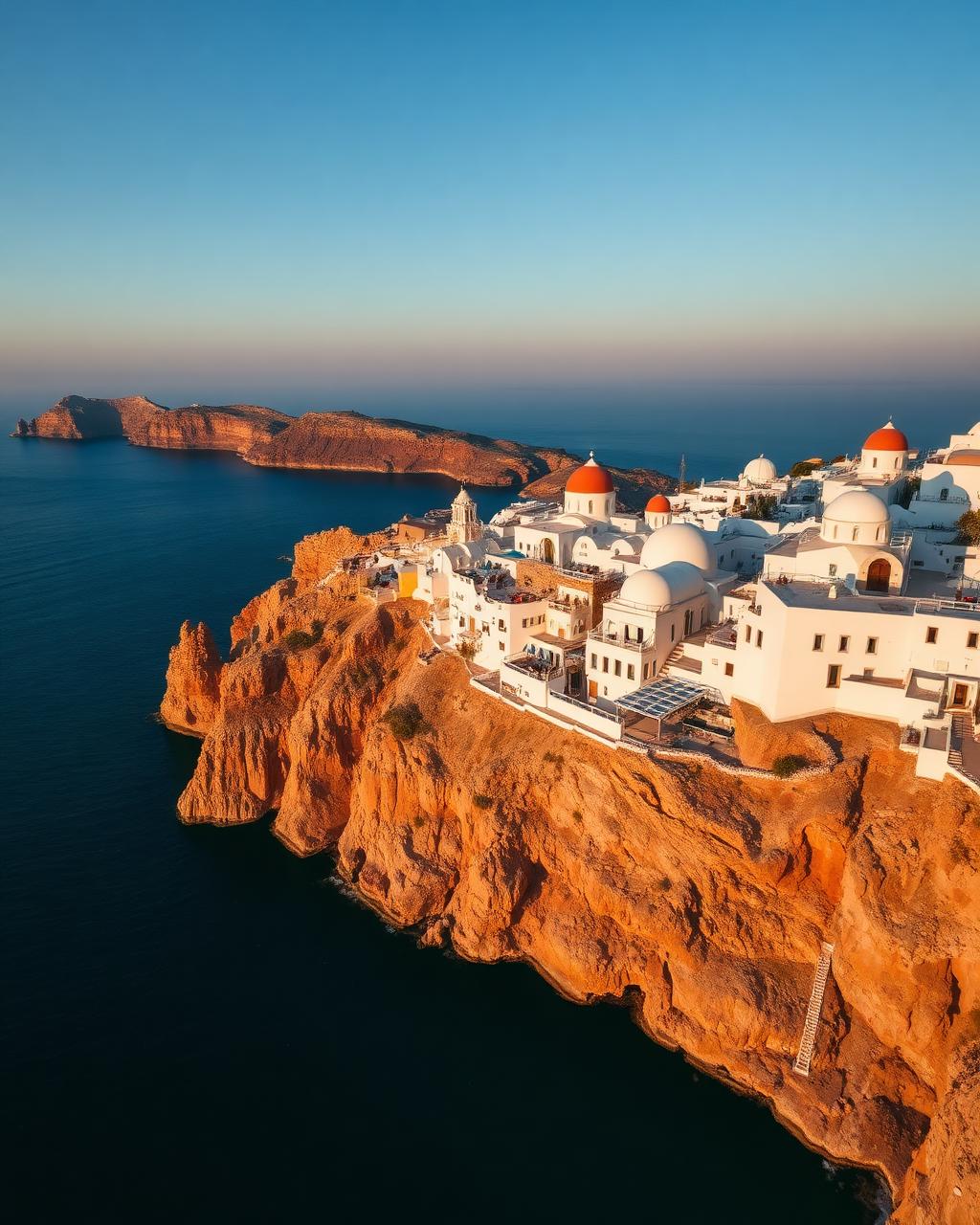
Manresa
Outdoor first: hikes by day, fireside dinners by night.
Manresa anchors the heart of Catalonia at the foot of the jagged Montserrat range, where the Cardener river cuts through a landscape of karst caves and terraced vineyards. Mornings here begin with the smell of woodsmoke and damp pine along the Sèquia, an ancient canal trail that winds through the Bages plains. By midday, sunlight hits the golden limestone of the Basilica de la Seu, dominating the skyline above the narrow, winding streets of the old quarter. This is a base for the rugged: days are spent scrambling up the Collbaix peak for views of the Pyrenees or cycling through the Oller del Mas estate. As dusk settles over Plaça de l'Ajuntament, the air cools, shifting the focus to robust plates of salt cod and local Picapoll wine enjoyed beside a stone hearth.
Best time to visit Manresa
The best time to visit Manresa is generally summer for easier access, or winter for dramatic light and solitude. Peak season pushes prices and crowds up; shoulder season is almost always the smarter trade-off — you'll find the same restaurants open, the same scenery, and noticeably better hotel value on Booking.com.
How to get to Manresa
Manresa is in Spain, Europe. Most major European hubs connect by direct flight or high-speed rail, with frequent low-cost options from London, Paris, Amsterdam and Madrid. Once you arrive, allow a day to settle in — most travellers underestimate jet lag and over-pack day one.
Things to do in Manresa
Plan your days around hiking, wildlife spotting, scenic drives and photography. Build in at least one slow morning; the best memories rarely come from packed itineraries.
Where to stay in Manresa
On Booking.com, properties in Manresa start from around $125 per night. Filter by guest review score (8.5+), free cancellation, and your preferred neighbourhood. Booking close to the centre saves transit time and almost always pays for itself in extra hours actually enjoying Manresa.
Manresa travel FAQs
- When is the ideal season for hiking around Manresa?
- Autumn, specifically October and November, offers crisp technical hiking conditions and the harvest season in the surrounding Bages vineyards. Spring is equally vibrant for the Sèquia trail, though you should pack waterproof layers for sudden Mediterranean cloudbursts.
- What is the most efficient way to navigate the region?
- The town center is walkable and dense, but a rental car is essential for reaching remote trailheads in the Montserrat Natural Park or the Sant Llorenç del Munt i l'Obac. Local FGC trains provide a direct, scenic link to Barcelona for those avoiding city driving.
- Which neighborhood offers the most authentic stay?
- Look for restored guesthouses near the Passeig i Rodalies area for a mix of Modernista architecture and proximity to local cider bars. For an immersion in nature, several converted 'masias' or farmhouses sit just ten minutes outside the center, offering fireside dining and direct trail access.
- What is a unique local dish I should try after a day outdoors?
- Seek out 'Bacallà a la Manresana,' a traditional salt cod preparation often cooked with potatoes, alioli, and quince. It is a calorie-dense staple designed for the region's historical agricultural workers and pairs perfectly with the high-acidity local white wines.