Muan
Where you trade screen time for skylines made of peaks.
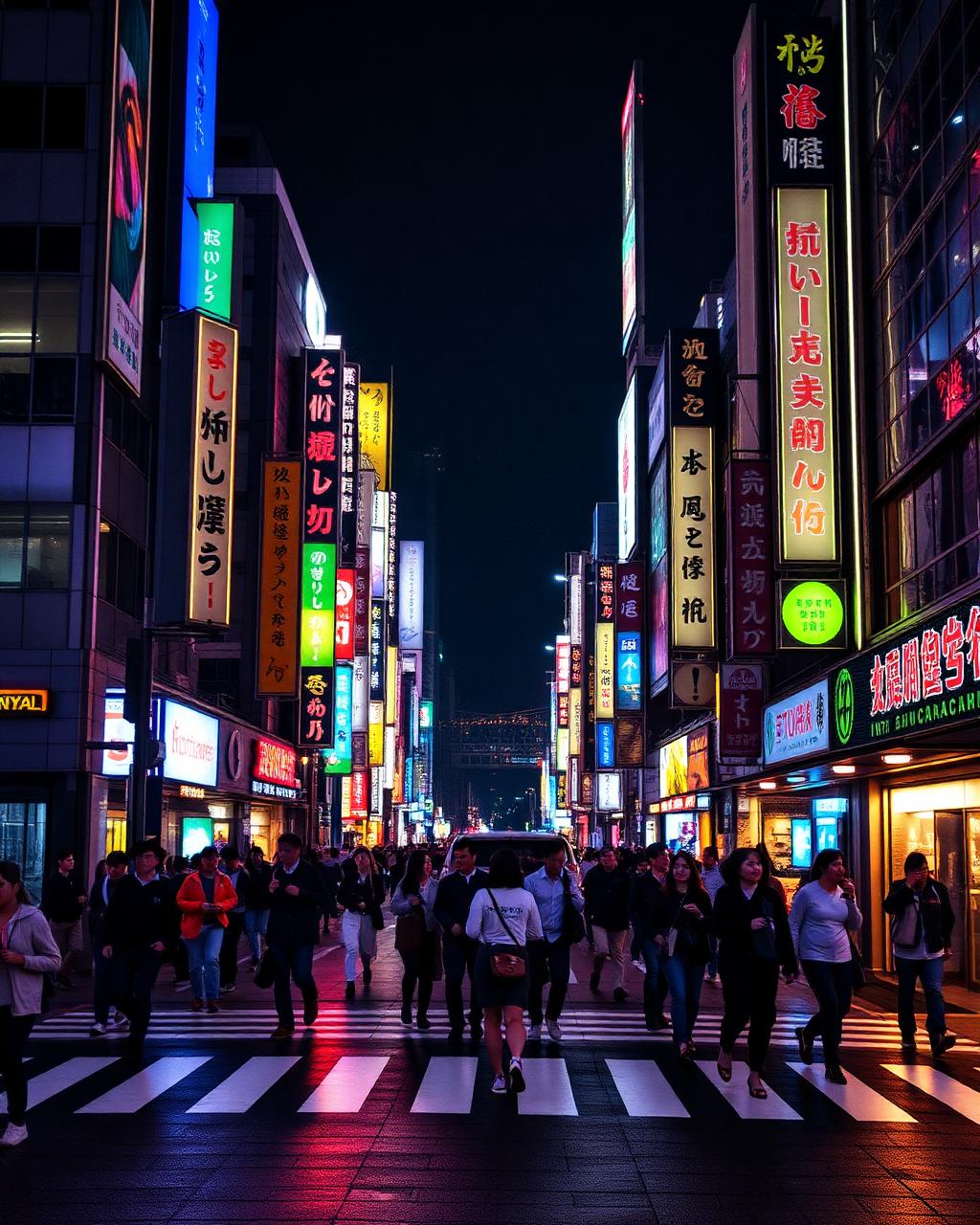
In Muan, the digital hum of Seoul dissolves into the rhythmic squelch of the Muan Tidal Flats. This UNESCO Biosphere Reserve is a sprawling canvas of grey silt and salt marshes where mudskippers dance during low tide. Spring brings a cool salt breeze to the Hoesan Baekryeon pond, the largest white lotus habitat in Asia, where heavy blooms create a floating forest of waxy green leaves and ivory petals. Wander through the quiet lanes of Haeryeong-ri to find local taverns serving Nakji-tang—a potent octopus soup made with the prized, slender 'long-legged' octopus caught in the nearby yellow mud. The skyline here is shaped by the gentle contours of Mount Seungsan rather than steel, offering a coastal serenity where the soundtrack is the tide pulling back from the red-clay cliffs of the Mangun peninsula.
Best time to visit Muan
The best time to visit Muan is generally summer for easier access, or winter for dramatic light and solitude. Peak season pushes prices and crowds up; shoulder season is almost always the smarter trade-off — you'll find the same restaurants open, the same scenery, and noticeably better hotel value on Booking.com.
How to get to Muan
Muan is in South Korea, Asia. Long-haul connections route through Singapore, Bangkok, Tokyo, Seoul or Dubai, with onward short-hauls to the rest of the region. Once you arrive, allow a day to settle in — most travellers underestimate jet lag and over-pack day one.
Things to do in Muan
Plan your days around hiking, wildlife spotting, scenic drives and photography. Build in at least one slow morning; the best memories rarely come from packed itineraries.
Where to stay in Muan
On Booking.com, properties in Muan start from around $220 per night. Filter by guest review score (8.5+), free cancellation, and your preferred neighbourhood. Booking close to the centre saves transit time and almost always pays for itself in extra hours actually enjoying Muan.
Muan travel FAQs
- When is the best time to see the white lotus blossoms?
- The Hoesan Baekryonji pond is at its most spectacular from mid-July to August. During this peak summer window, the white lotuses are in full bloom, though visitors should prepare for high humidity and the mid-day sun.
- Is it possible to explore Muan using public transportation?
- While local buses connect Muan International Airport to the town center and the Illo-eup area, they run on infrequent schedules. Renting a car is highly recommended for reaching the coastal mudflats and remote lotus ponds without waiting hours for a transfer.
- Where should I base myself for a nature-focused trip?
- Stay in the Illo-eup district to be within walking distance of the lotus parks, or choose a pension near the Muan Tidal Flat Research Center in Haeryeong-ri. These rural stays offer direct access to the coastal walking trails and the best sunrise views over the marshes.
- What is the local specialty I shouldn't miss at the traditional markets?
- Look for Muan Gireum-jang, a distinctive dipping sauce served with grilled pork belly that utilizes the region’s famous onions. The area is South Korea’s largest onion producer, and you will find these sweet, nutrient-rich onions infused into everything from juices to savory pancakes.