Nikko
Wilderness on the doorstep and very little phone signal.
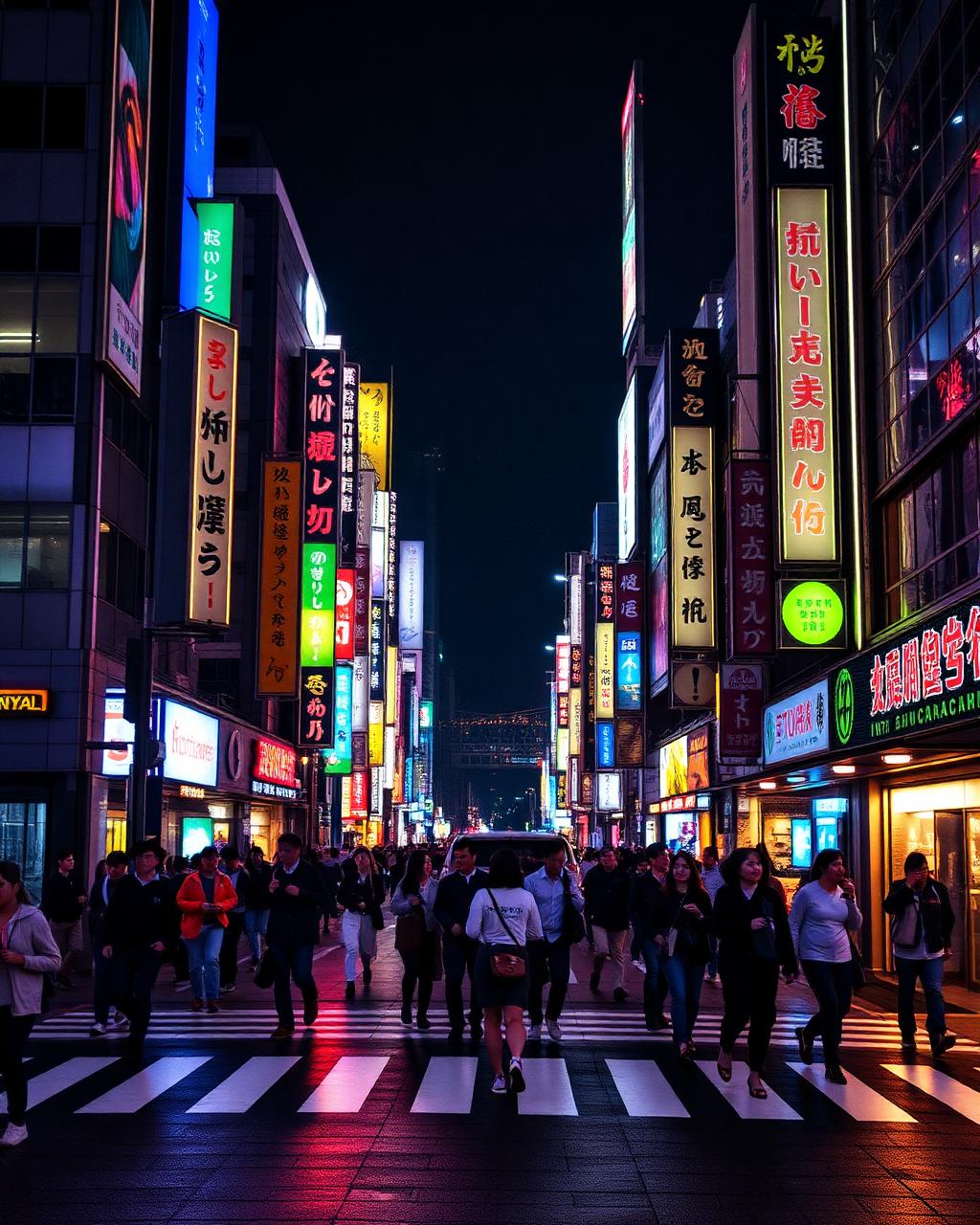
Two hours north of Tokyo, the neon hum of the capital dissolves into the cedar-scented silence of Nikko National Park. Here, the UNESCO-recognized Toshogu Shrine serves as a riot of gold-leafed carvings buried deep within an ancient forest, where the sound of Chuzenji-ko lake lapping against volcanic basalt replaces city traffic. Autumn transforms the Irohazaka Winding Road into a ribbon of scarlet and gold, while winter brings a hush so profound that phone signals flicker and vanish near the frozen cascades of Kegon Falls. After exploring the moss-covered stone lanterns of Kanmangafuchi Abyss, weary travelers find haven in mountain ryokans, dipping into sulfuric onsen baths before sitting down to plates of fresh yuba—delicate sashimi-style tofu skin that remains a staple of the local Buddhist ascetic diet.
Best time to visit Nikko
The best time to visit Nikko is generally summer for easier access, or winter for dramatic light and solitude. Peak season pushes prices and crowds up; shoulder season is almost always the smarter trade-off — you'll find the same restaurants open, the same scenery, and noticeably better hotel value on Booking.com.
How to get to Nikko
Nikko is in Japan, Asia. Long-haul connections route through Singapore, Bangkok, Tokyo, Seoul or Dubai, with onward short-hauls to the rest of the region. Once you arrive, allow a day to settle in — most travellers underestimate jet lag and over-pack day one.
Things to do in Nikko
Plan your days around hiking, wildlife spotting, scenic drives and photography. Because Nikko also leans into historic sites, museums, food tours and walking routes, you can mix it up — one slow day, one active day, repeat.
Where to stay in Nikko
On Booking.com, properties in Nikko start from around $80 per night. Filter by guest review score (8.5+), free cancellation, and your preferred neighbourhood. Booking close to the centre saves transit time and almost always pays for itself in extra hours actually enjoying Nikko.
Nikko travel FAQs
- When is the best time to visit to avoid crowds but see the scenery?
- Late May offers lush greenery and pleasant hiking weather before the summer humidity hits. If you want the famous autumn colors without the gridlock of late October, aim for early November when the foliage moves down from the mountains into the town center.
- Is the Nikko All Area Pass worth the investment?
- The pass is essential if you plan to venture beyond the central shrines to Lake Chuzenji or the Yumoto Onsen area, as individual bus fares are steep. It covers the round-trip train from Asakusa and unlimited local bus rides, which is the only reliable way to navigate the mountain switchbacks.
- Should I stay near the train station or up by the lake?
- Stay near Tobu-Nikko station for easy access to the World Heritage shrines and local izakayas. Choose a lodge in Okunikko by Lake Chuzenji if you prefer a remote wilderness experience with direct access to hiking trails and high-altitude hot springs.
- What is the local specialty I shouldn't miss?
- Look for Yuba, the cream-colored skin formed during the tofu-making process, served fried in buns or rolled in dashi. For a unique snack, try the grilled dango coated in sweet miso sold near the Shinkyo Bridge, which provides a quick energy boost for the uphill walks.