Normandy
Where the scenery does the heavy lifting.
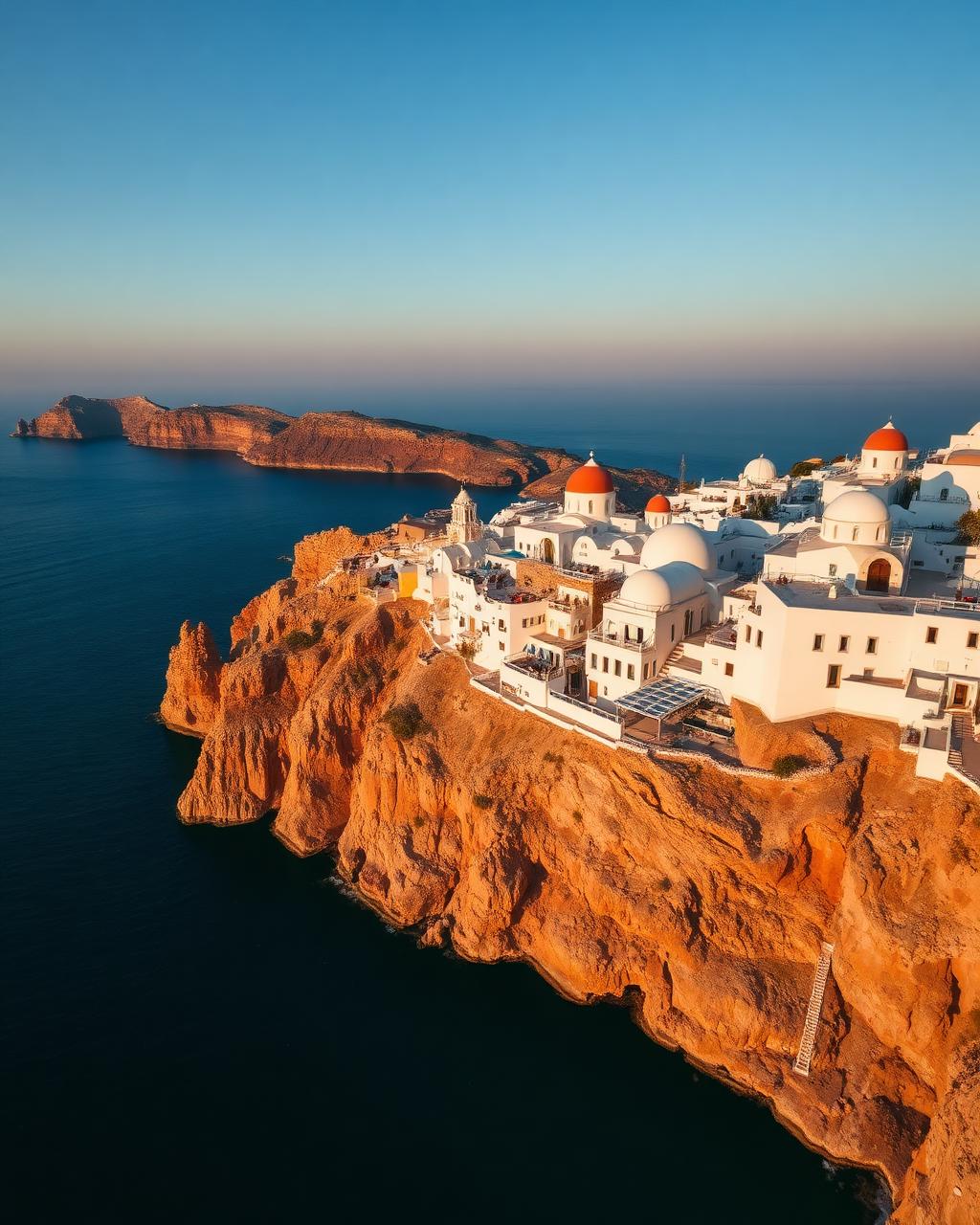
Normandy is a landscape of high-definition drama where the elements dictate the pace of life. Morning light breaks over the chalky, serrated cliffs of Étretat, illuminating the English Channel in hues of slate and turquoise. Inland, the Pays d'Auge reveals a softer texture of rolling cider orchards and half-timbered farmhouses. You sense the weight of history in the quiet gravel paths of Giverny or the salt-sprayed ramparts of Mont Saint-Michel, but the region is equally defined by its sensory intensity. It is the tactical crunch of a fresh baguette in a Bayeux bakery, the earthy funk of a raw-milk Camembert, and the sharp, crisp bite of a glass of Calvados. Whether wandering the rain-slicked streets of Rouen or the windswept sands of Omaha Beach, the atmosphere is thick, evocative, and undeniably cinematic.
Best time to visit Normandy
The best time to visit Normandy is generally summer for easier access, or winter for dramatic light and solitude. Peak season pushes prices and crowds up; shoulder season is almost always the smarter trade-off — you'll find the same restaurants open, the same scenery, and noticeably better hotel value on Booking.com.
How to get to Normandy
Normandy is in France, Europe. Most major European hubs connect by direct flight or high-speed rail, with frequent low-cost options from London, Paris, Amsterdam and Madrid. Once you arrive, allow a day to settle in — most travellers underestimate jet lag and over-pack day one.
Things to do in Normandy
Plan your days around hiking, wildlife spotting, scenic drives and photography. Because Normandy also leans into historic sites, museums, food tours and walking routes, you can mix it up — one slow day, one active day, repeat.
Where to stay in Normandy
On Booking.com, properties in Normandy start from around $235 per night. Filter by guest review score (8.5+), free cancellation, and your preferred neighbourhood. Booking close to the centre saves transit time and almost always pays for itself in extra hours actually enjoying Normandy.
Normandy travel FAQs
- When is the ideal window to visit Normandy for outdoor scenery?
- Late May through September offers the most reliable weather for hiking the Alabaster Coast or exploring Monet's gardens. May is particularly striking for blooming apple blossoms in the Calvados department, while September provides mild temperatures and fewer crowds at the major D-Day memorial sites.
- Is it possible to navigate the region effectively using only public transport?
- Trains connect major hubs like Rouen, Caen, and Bayeux efficiently, but reaching coastal cliffs or rural cider farms requires a car. If you rely on rail, use Bayeux as a base for organized shuttle tours to the landing beaches and Mont Saint-Michel.
- Should I book accommodation in a city or a rural guesthouse?
- For late-night dining and Gothic architecture, stay in Rouen’s medieval center or the harbor town of Honfleur. For an authentic cultural experience, choose a 'gîte' or rural manor in the Pays d’Auge to wake up surrounded by dairy pastures and historic stone barns.
- What is the local etiquette regarding dining and regional specialties?
- Mealtimes are strictly observed, with lunch usually served between 12:00 and 14:00 and dinner after 19:00. When ordering, remember that Normandy is the land of butter and cream; almost every traditional dish includes them, so specify dietary needs early as these ingredients are the regional pride.