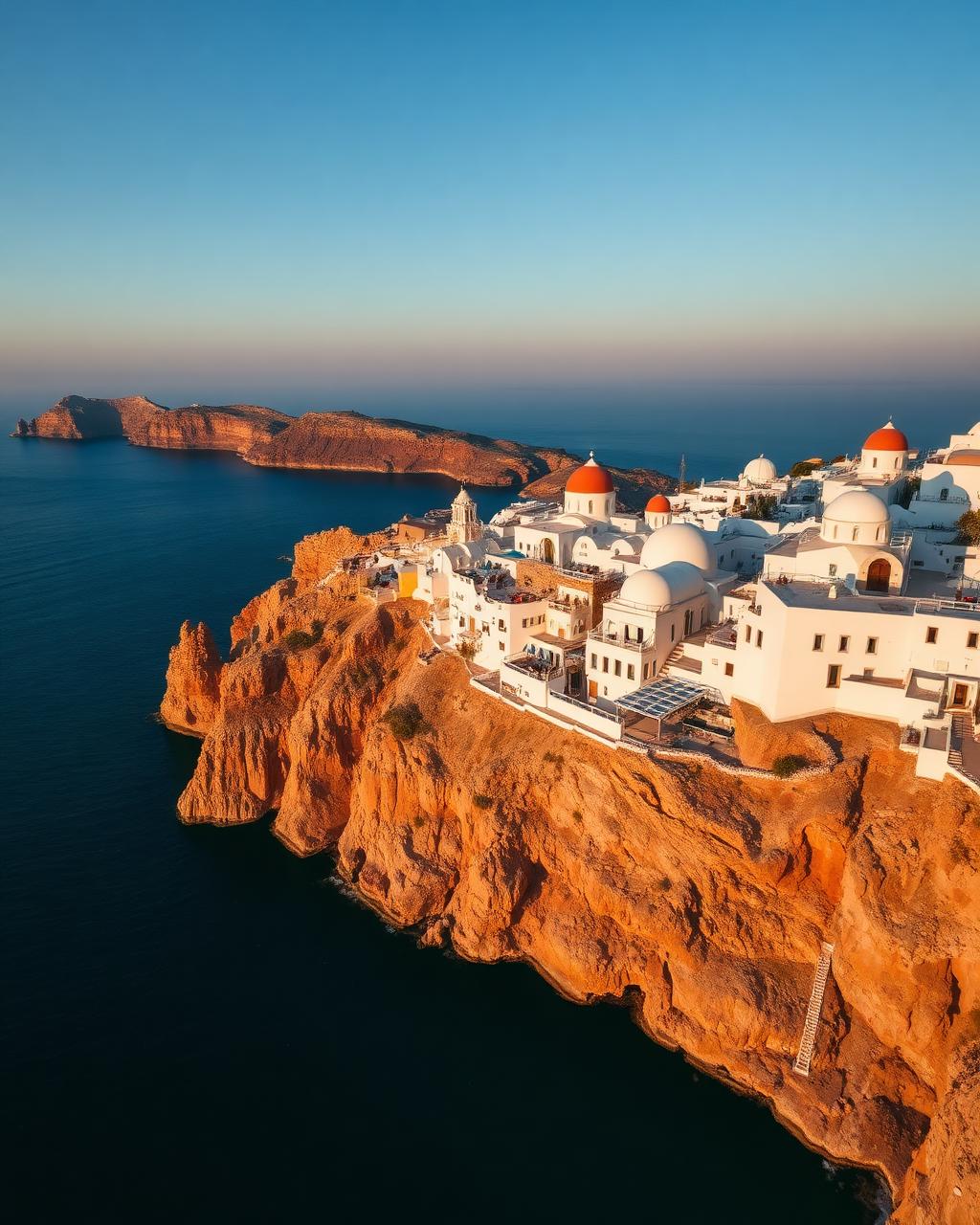
Ourense
National parks on the doorstep, mountain air and proper silence.
High above the Atlantic mist of coastal Galicia, Ourense sits in a sun-baked river basin where the Miño and Sil rivers carve deep, dramatic veins through granite. In the A Ponte district, the Roman Bridge stands as a heavy stone anchor against the rush of water, while the nearby thermal springs like Outariz offer a sharp, sulfurous steam that mixes with the scent of woodsmoke in autumn. The air here is thin and crisp, especially as you climb toward the rugged peaks of the Baixa Limia-Serra do Xurés. Late afternoons are defined by the crunch of chestnuts underfoot and the pour of local Mencía wine in small plazas. It is a portal to the high sierras, where the silence of the mountain passes is broken only by the bells of grazing cattle.
Best time to visit Ourense
The best time to visit Ourense is generally summer for easier access, or winter for dramatic light and solitude. Peak season pushes prices and crowds up; shoulder season is almost always the smarter trade-off — you'll find the same restaurants open, the same scenery, and noticeably better hotel value on Booking.com.
How to get to Ourense
Ourense is in Spain, Europe. Most major European hubs connect by direct flight or high-speed rail, with frequent low-cost options from London, Paris, Amsterdam and Madrid. Once you arrive, allow a day to settle in — most travellers underestimate jet lag and over-pack day one.
Things to do in Ourense
Plan your days around hiking, wildlife spotting, scenic drives and photography. Build in at least one slow morning; the best memories rarely come from packed itineraries.
Where to stay in Ourense
On Booking.com, properties in Ourense start from around $130 per night. Filter by guest review score (8.5+), free cancellation, and your preferred neighbourhood. Booking close to the centre saves transit time and almost always pays for itself in extra hours actually enjoying Ourense.
Ourense travel FAQs
- When is the best time to experience the mountain trails?
- May and June offer the most vibrant greenery and flowing waterfalls before the high summer heat arrives in August. September is equally rewarding for hikers, as the harvest begins and the humidity of the valley floor drops significantly.
- How should I navigate the province if I want to reach the national parks?
- While the city is walkable and well-connected by high-speed rail from Madrid, you will need to rent a car to reach the Xurés or the Sil Canyon. Narrow, winding mountain roads require a confident driver but offer access to trailheads that buses simply cannot reach.
- Which neighborhood provides the best base for nature lovers?
- Stay near the Casco Antiguo for quick access to the riverside thermal walkways, or look for a 'turismo rural' lodge in the Ribeira Sacra. Choosing a stone-built cottage on the city outskirts ensures you are waking up to mountain views rather than apartment blocks.
- What is the local etiquette for using the public thermal springs?
- Public pools like A Chavasqueira are largely free but require a respectful, quiet atmosphere; always bring your own towel and flip-flops. In the nearby mountain villages, asking for 'pulpo á feira' at a local fair is the standard way to refuel after a long day of trekking.