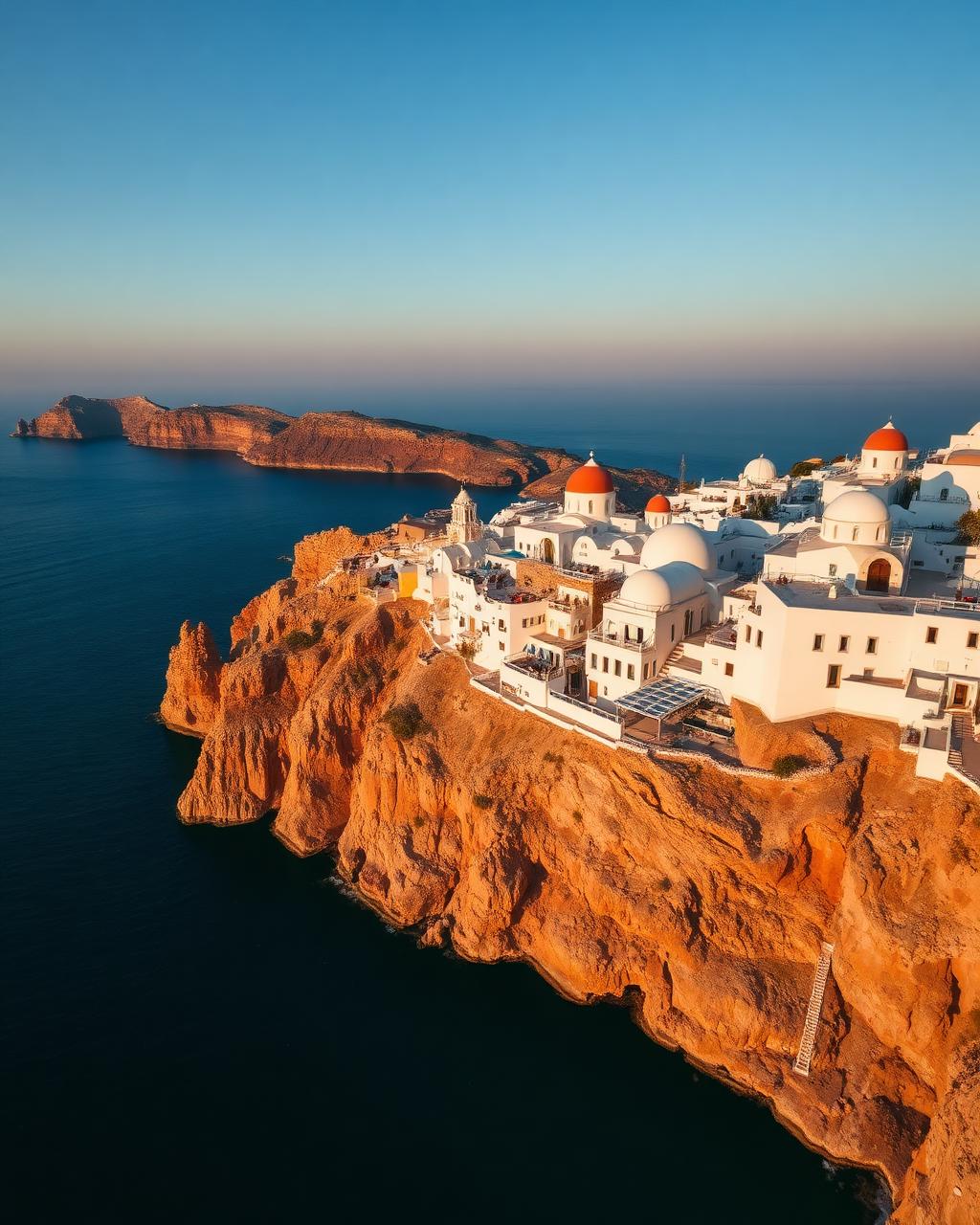
Saarbrücken
Outdoor first: hikes by day, fireside dinners by night.
In Saarbrücken, the industrial silhouette of the Saarland dissolves into the primeval sprawl of the Urwald vor den Toren der Stadt. This is a border city where the air carries the scent of beech forests and flame-grilled Schwenker pork. Mornings begin in the Nauwieser Viertel, where coffee culture thrives among gritty, pastel-hued facades, before the trail leads to the cavernous sandstone formations of the Schlossberg. By afternoon, the flow of the Saar River guides cyclists toward the UNESCO-listed Völklingen Ironworks, a rusted cathedral of iron that anchors the horizon. As shadows stretch over the baroque St. Johanner Markt, the day’s exertion is rewarded with heavy glasses of local Riesling and the crackle of open-fire kitchens. It is a city that feels unvarnished and alive, rooted as much in its dense canopy as its coal-dusted heritage.
Best time to visit Saarbrücken
The best time to visit Saarbrücken is generally summer for easier access, or winter for dramatic light and solitude. Peak season pushes prices and crowds up; shoulder season is almost always the smarter trade-off — you'll find the same restaurants open, the same scenery, and noticeably better hotel value on Booking.com.
How to get to Saarbrücken
Saarbrücken is in Germany, Europe. Most major European hubs connect by direct flight or high-speed rail, with frequent low-cost options from London, Paris, Amsterdam and Madrid. Once you arrive, allow a day to settle in — most travellers underestimate jet lag and over-pack day one.
Things to do in Saarbrücken
Plan your days around hiking, wildlife spotting, scenic drives and photography. Build in at least one slow morning; the best memories rarely come from packed itineraries.
Where to stay in Saarbrücken
On Booking.com, properties in Saarbrücken start from around $200 per night. Filter by guest review score (8.5+), free cancellation, and your preferred neighbourhood. Booking close to the centre saves transit time and almost always pays for itself in extra hours actually enjoying Saarbrücken.
Saarbrücken travel FAQs
- When is the best season for hiking around the Saar valley?
- Late May through October offers the most stable conditions for the Saar-Hunsrück-Steig trails. Autumn is particularly striking when the dense deciduous canopy turns crimson and the peak of the local Riesling harvest begins.
- What is the most efficient way to navigate the city and surrounding nature?
- Saarbrücken is remarkably compact and walkable, but the Saarbahn tram-train is essential for reaching outlying trailheads. It connects the city center directly to the riverside paths and forest entrances with high frequency throughout the day.
- Which neighborhood provides the best access to both dining and the outdoors?
- Stay near St. Johanner Markt for the highest density of traditional taverns and boutiques. From here, you are steps from the Saar towpath, which links you to the city’s green lungs without needing a car.
- What is the local 'Schwenker' culture I see in the parks?
- The Schwenker refers to both the marinated pork neck and the tripod grill used to cook it over beechwood fires. It is a social ritual; if you are invited to a forest clearing, expect a slow-cooked meal and a fiercely local pride in the swivel-grilling technique.