Shinjuku
An urban escape with great food, walkable streets and easy public transport.
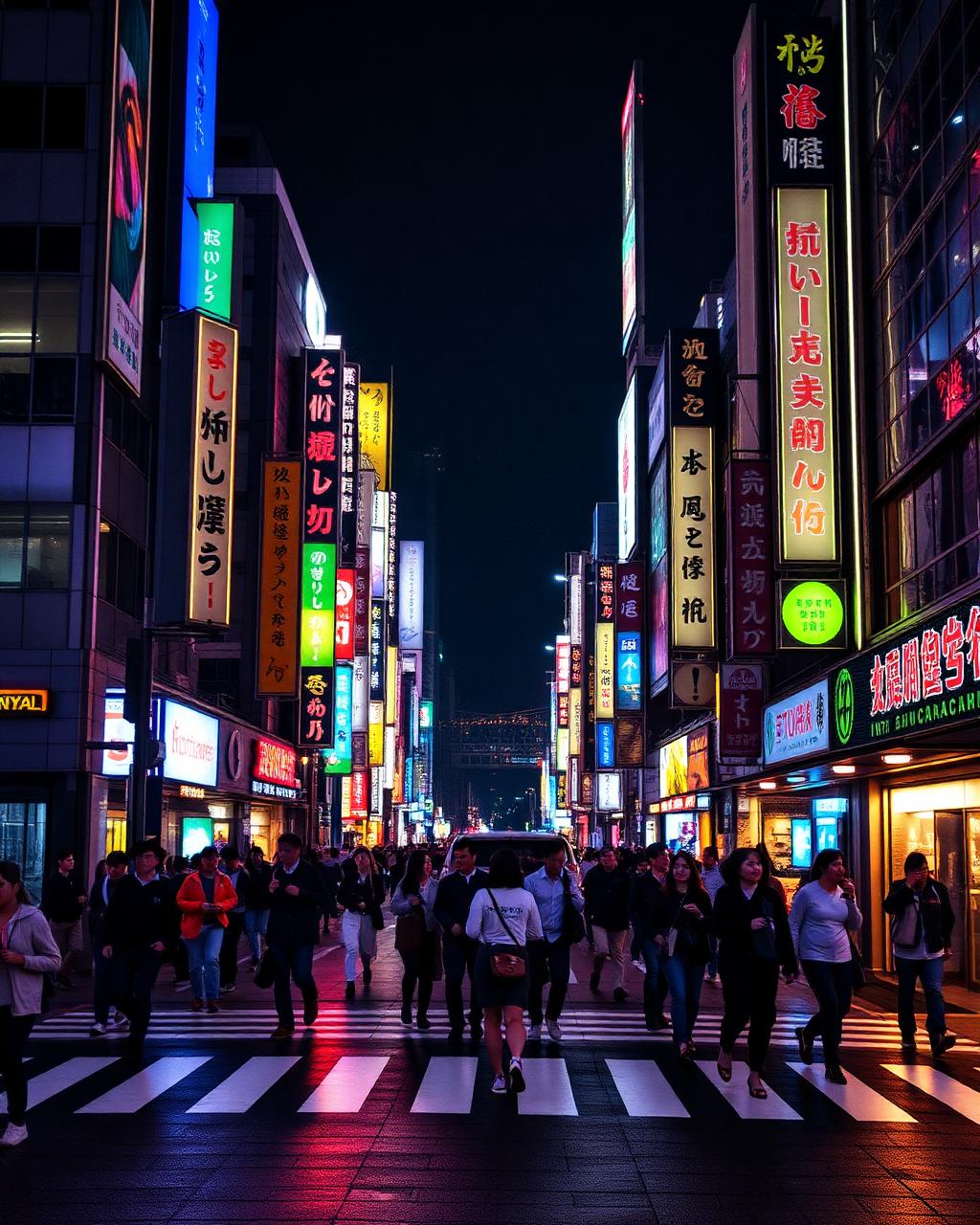
Shinjuku operates as a high-octane microcosm of Tokyo, anchored by the world’s busiest railway station where commuters stream toward the glass skyscrapers of Nishi-Shinjuku. To the east, the neon-drenched alleys of Kabukicho hum with the scent of charcoal-grilled yakitori and the rhythmic clinking of highball glasses in the Golden Gai’s tiny mahogany bars. Beneath the giants of steel, the sprawling Shinjuku Gyoen National Garden offers a silent reprieve, particularly in late March when weeping cherry blossoms drape over the ponds. Navigating these streets means transitioning from the high-end department stores of Isetan to the narrow, smoke-filled corridors of Omoide Yokocho. The air is a constant mix of jazz from basement cafes and the electronic melodies of pedestrian crossings, creating an urban rhythm that feels both futuristic and fundamentally storied.
Best time to visit Shinjuku
The best time to visit Shinjuku is generally spring and early autumn for the best weather without peak crowds. Peak season pushes prices and crowds up; shoulder season is almost always the smarter trade-off — you'll find the same restaurants open, the same scenery, and noticeably better hotel value on Booking.com.
How to get to Shinjuku
Shinjuku is in Japan, Asia. Long-haul connections route through Singapore, Bangkok, Tokyo, Seoul or Dubai, with onward short-hauls to the rest of the region. Once you arrive, allow a day to settle in — most travellers underestimate jet lag and over-pack day one.
Things to do in Shinjuku
Plan your days around neighbourhood walks, museums, coffee culture and dinner reservations. Build in at least one slow morning; the best memories rarely come from packed itineraries.
Where to stay in Shinjuku
On Booking.com, properties in Shinjuku start from around $195 per night. Filter by guest review score (8.5+), free cancellation, and your preferred neighbourhood. Booking close to the centre saves transit time and almost always pays for itself in extra hours actually enjoying Shinjuku.
Shinjuku travel FAQs
- When is the best time of year to explore Shinjuku?
- Spring and autumn offer the most comfortable walking weather, specifically late March for the cherry blossoms in Shinjuku Gyoen and November for the golden ginkgo trees. Avoid the humid peak of August when the asphalt heat in the skyscraper district can be stifling for pedestrians.
- How should I navigate the massive Shinjuku Station complex?
- Use the color-coded floor markings and follow signs for specific exits like 'East' or 'West' rather than trying to find street names. Downloading a digital IC card like Suica to your phone allows you to tap through gates seamlessly without stopping at ticket machines.
- Which neighborhood provides the best base for a stay?
- Nishi-Shinjuku is home to large, upscale international hotels and offers a quieter night's sleep away from the crowds. For those wanting immediate access to nightlife and boutique hotels, the area near Shinjuku-sanchome puts you steps away from the best dining and shopping.
- What is the etiquette for dining in the small Golden Gai bars?
- Many of these six-seat bars have a mandatory cover charge, usually posted on the door in yen. Space is extremely limited, so it is polite to order a drink immediately and vacate your seat once finished to allow other patrons to enter.