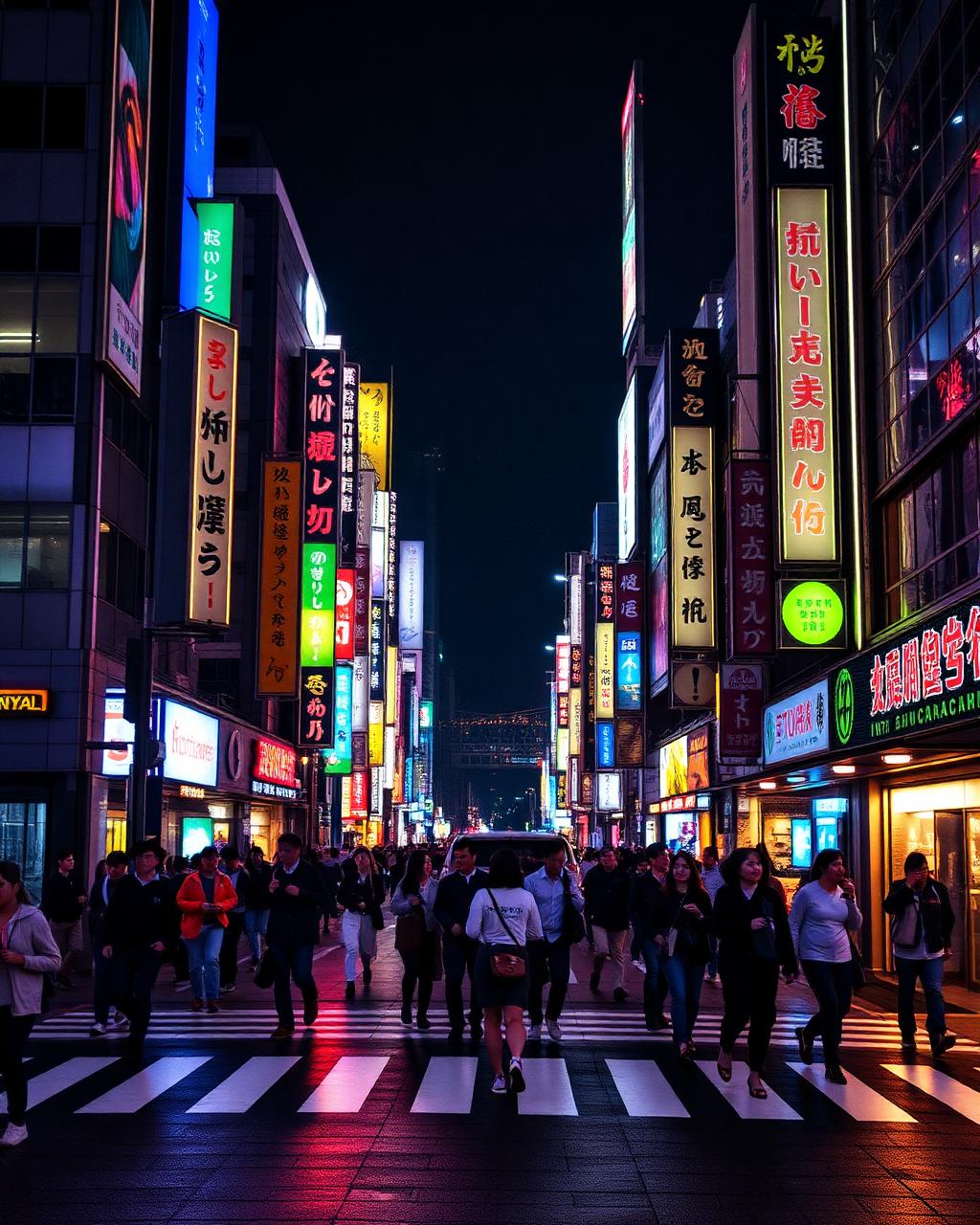
T’aebaek
Outdoor first: hikes by day, fireside dinners by night.
High in the rugged spine of the Gangwon province, T’aebaek thrives on a mix of industrial grit and mountain air. Once a coal-mining stronghold, the city has reinvented itself as a base for high-altitude trekking, centered around the snow-dusted ridges of Taebaeksan National Park. In winter, the landscape turns into a stark, white relief of ancient yew trees and frozen springs, while summers remain cool enough to escape the coastal humidity. Wander through the Cheolam Coal Mine History Town to see structures suspended over the river, then head toward any mountain trailhead where the scent of wild pine and damp granite dominates. After descending through the mist, the evenings belong to hwaro-gui—grilled beef over jumping charcoal flames in back-alley restaurants—finishing with spicy silkworm pupae or local buckwheat noodles as the mountain temperature drops sharply.
Best time to visit T’aebaek
The best time to visit T’aebaek is generally summer for easier access, or winter for dramatic light and solitude. Peak season pushes prices and crowds up; shoulder season is almost always the smarter trade-off — you'll find the same restaurants open, the same scenery, and noticeably better hotel value on Booking.com.
How to get to T’aebaek
T’aebaek is in South Korea, Asia. Long-haul connections route through Singapore, Bangkok, Tokyo, Seoul or Dubai, with onward short-hauls to the rest of the region. Once you arrive, allow a day to settle in — most travellers underestimate jet lag and over-pack day one.
Things to do in T’aebaek
Plan your days around hiking, wildlife spotting, scenic drives and photography. Build in at least one slow morning; the best memories rarely come from packed itineraries.
Where to stay in T’aebaek
On Booking.com, properties in T’aebaek start from around $220 per night. Filter by guest review score (8.5+), free cancellation, and your preferred neighbourhood. Booking close to the centre saves transit time and almost always pays for itself in extra hours actually enjoying T’aebaek.
T’aebaek travel FAQs
- When is the best time to experience T’aebaek’s mountain scenery?
- January is peak season for the Snow Festival, when the peaks of Taebaeksan are clad in deep powder and giant ice sculptures fill the town. For hikers preferring greenery, June offers mild temperatures and blooming wildflowers across the high-altitude meadows of Gumunso.
- What is the most efficient way to get around the city and trailheads?
- The T’aebaek Bus Terminal serves as the central hub connecting the train station to the national park entrances. While local buses are frequent during the day, hiring a taxi for the short trip to the Otu Resort or the Manggyeongsa Temple trailhead saves significant time for morning climbs.
- Where should I book my stay for easy access to nature?
- Look for accommodation near the entrance of Taebaeksan National Park for immediate trail access, or stay in the central city area near Hwangji Pond to be within walking distance of the best grill houses. Several mountain pensions offer traditional floor heating, which is essential during the frigid Gangwon winters.
- What local specialty should I eat after a long day of hiking?
- T’aebaek is famous for its ‘mul-dakgalbi,’ a soul-warming spicy chicken stew that differs from the stir-fried version found in Chuncheon by its rich, savory broth. It was originally designed to hydrate and clear the dust from miners' lungs, making it the perfect restorative meal after a dusty day on the ridges.