Taipa
Forest trails, lake swims and the kind of stars you forget exist.
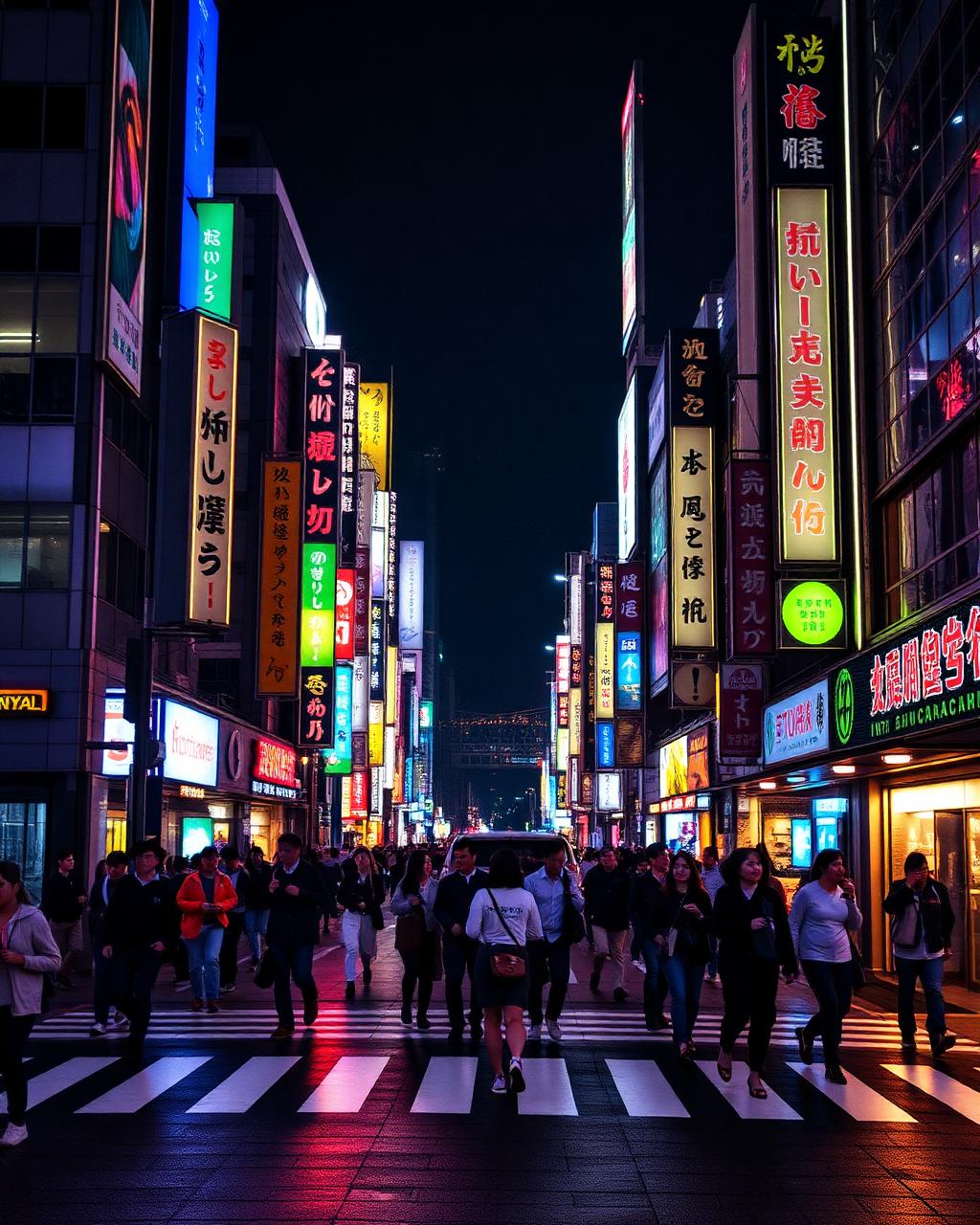
Beyond the neon glare of the Cotai strip, Taipa reveals a rugged, oxygenated landscape defined by the Taipa Grande and Taipa Pequena hills. Mornings here belong to the 2,300-meter Grand Taipa Nature Trail, where the humid scent of eucalyptus and camphor trees replaces the recycled air of the casinos. Down at the northern foot of the hills, the Casas-Taipa Museum overlooks the serene wetlands of the Avenida da Praia, where lotus blossoms crowd the water and egrets gather in the shadows of mint-green colonial villas. As dusk settles over the Reservoir, the sky clarifies, offering rare celestial views away from the district’s light pollution. This is a place of rhythmic cicadas, cool granite steps, and the salt-sweet linger of almond cookies drifting from the nearby village alleyways.
Best time to visit Taipa
The best time to visit Taipa is generally summer for easier access, or winter for dramatic light and solitude. Peak season pushes prices and crowds up; shoulder season is almost always the smarter trade-off — you'll find the same restaurants open, the same scenery, and noticeably better hotel value on Booking.com.
How to get to Taipa
Taipa is in Macao, Asia. Long-haul connections route through Singapore, Bangkok, Tokyo, Seoul or Dubai, with onward short-hauls to the rest of the region. Once you arrive, allow a day to settle in — most travellers underestimate jet lag and over-pack day one.
Things to do in Taipa
Plan your days around hiking, wildlife spotting, scenic drives and photography. Build in at least one slow morning; the best memories rarely come from packed itineraries.
Where to stay in Taipa
On Booking.com, properties in Taipa start from around $125 per night. Filter by guest review score (8.5+), free cancellation, and your preferred neighbourhood. Booking close to the centre saves transit time and almost always pays for itself in extra hours actually enjoying Taipa.
Taipa travel FAQs
- When is the best season for hiking the Taipa trails?
- October to December offers the most stable conditions with low humidity and clear skies, perfect for visibility from the Taipa Grande summit. Avoid the peak summer months of July and August when heat exhaustion and sudden tropical downpours make the steep inclines grueling.
- How should I navigate the island's natural areas?
- The Macao LRT (Light Rapid Transit) connects major hubs like Ocean Station and Cotai West, but reaching the trailheads is best done on foot or via the frequent 26 or MT4 bus routes. The trails are well-paved, but you will need sturdy sneakers for the stone staircases leading to the highest observation points.
- Where is the best base for a nature-focused stay?
- Look for accommodation on the northern edge of Taipa Village or near the Altira to stay within walking distance of the Taipa Pequena trails. This positioning allows you to avoid the windowless casino complexes while remaining close to the evening breezes of the waterfront.
- Is it safe to swim in the reservoirs or coastal waters?
- Swimming is strictly prohibited in the Taipa reservoirs and the surrounding wetlands to protect the local ecosystem and migratory bird populations. For a dip, head to the public pool at the Cheoc Van side of neighboring Coloane or use the open-air facilities at the Olympic Sports Centre.