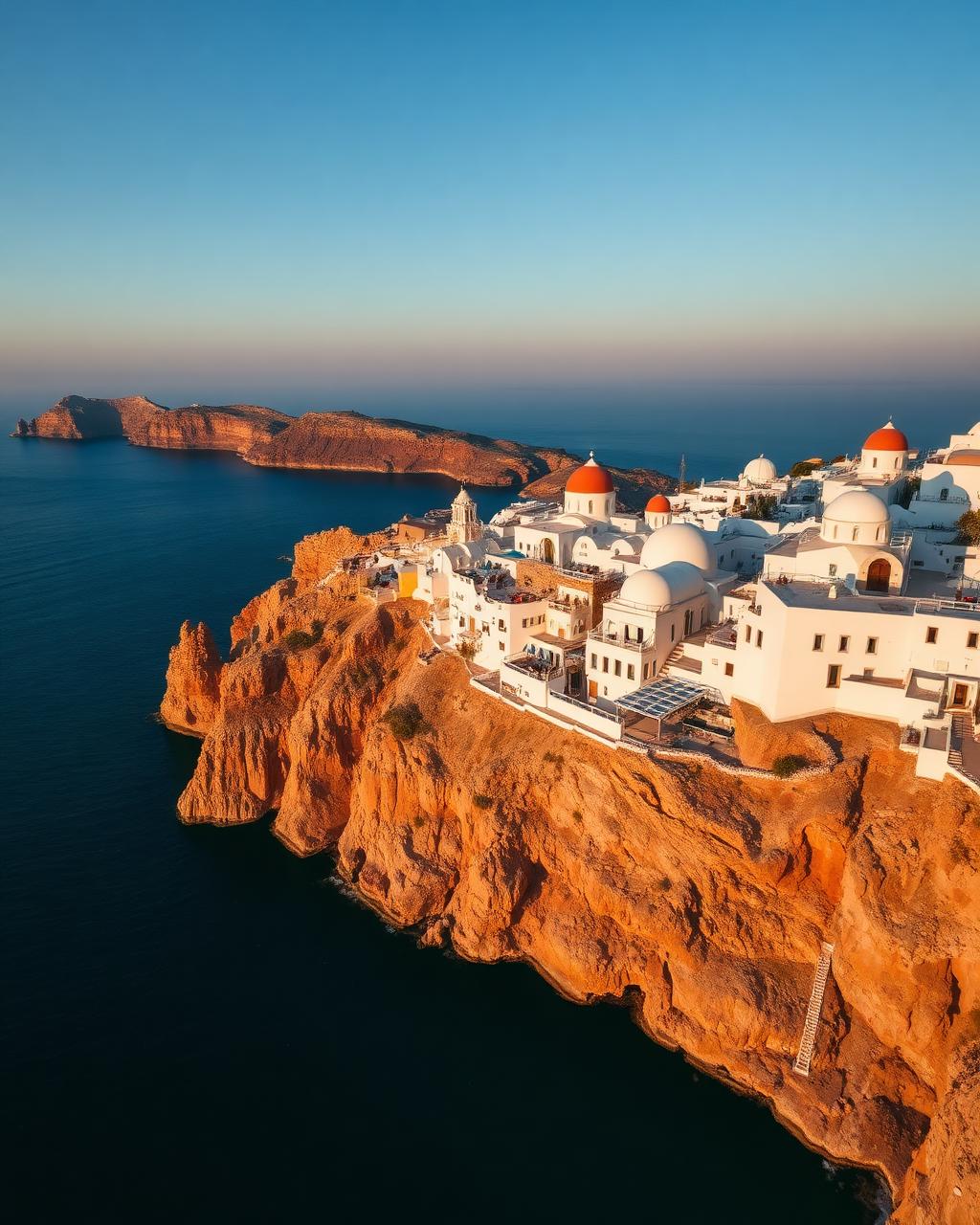
Turda
Forest trails, lake swims and the kind of stars you forget exist.
Turda’s landscape is defined by the jagged geometry of the Turda Gorge, where the Hășdate River carves through limestone walls and alpine swifts circle overhead. Beyond the subterranean salt echoes of the famous Salina, the surface offers a quieter rhythm. Summer mornings mean hiking the red-marked ridge trails that overlook the Transylvanian plateau, followed by a cold plunge in the saltwater Durgău Lakes. As evening settles over the quiet streets of the historical center, the scent of kurtoskalacs and woodsmoke drifts through the air. In the microclimate of the Cheile Turzii nature reserve, autumn turns the beech forests into a cathedral of gold and copper, providing a stark, cinematic contrast to the grey stone. Here, the absence of city glare leaves the night sky vast and crowded with constellations, grounding you in the raw, ancient terrain of the Apuseni foothills.
Best time to visit Turda
The best time to visit Turda is generally summer for easier access, or winter for dramatic light and solitude. Peak season pushes prices and crowds up; shoulder season is almost always the smarter trade-off — you'll find the same restaurants open, the same scenery, and noticeably better hotel value on Booking.com.
How to get to Turda
Turda is in Romania, Europe. Most major European hubs connect by direct flight or high-speed rail, with frequent low-cost options from London, Paris, Amsterdam and Madrid. Once you arrive, allow a day to settle in — most travellers underestimate jet lag and over-pack day one.
Things to do in Turda
Plan your days around hiking, wildlife spotting, scenic drives and photography. Build in at least one slow morning; the best memories rarely come from packed itineraries.
Where to stay in Turda
On Booking.com, properties in Turda start from around $140 per night. Filter by guest review score (8.5+), free cancellation, and your preferred neighbourhood. Booking close to the centre saves transit time and almost always pays for itself in extra hours actually enjoying Turda.
Turda travel FAQs
- What is the best season for hiking in Turda?
- Late May to September offers the most stable weather for navigating the limestone cliffs of the gorge, though October provides a stunning visual display as the foliage turns. Avoid the spring thaw in April, as trails become slick with mud and the river levels can make the lower gorge crossings impassable.
- How should I navigate the area without a car?
- Local Alis Grup buses run frequently between Cluj-Napoca and Turda, dropping passengers near the town center. To reach the trailheads at Cheile Turzii or the salt mine entrance, use the local 'Microbuz' lines or hire a taxi from the stand near the Post Office, as these rural points are not easily walkable from the central hub.
- Which neighborhood is best for an authentic stay?
- Look for guesthouses in the Old Town area to be within walking distance of the history museum and local bakeries. For a more immersive nature experience, book a 'pensiune' on the outskirts near the road to Petreștii de Jos, where you can wake up directly at the edge of the nature reserve's hiking network.
- What is the local etiquette for visiting the saltwater lakes?
- At the Durgău Lakes, it is customary to rinse off thoroughly in the designated showers before entering the natural pools to preserve the mineral balance. Most locals bring their own towels and flip-flops, as the surrounding terrain can be rocky and the facility amenities are functional rather than luxury-oriented.