Wabu
Outdoor first: hikes by day, fireside dinners by night.
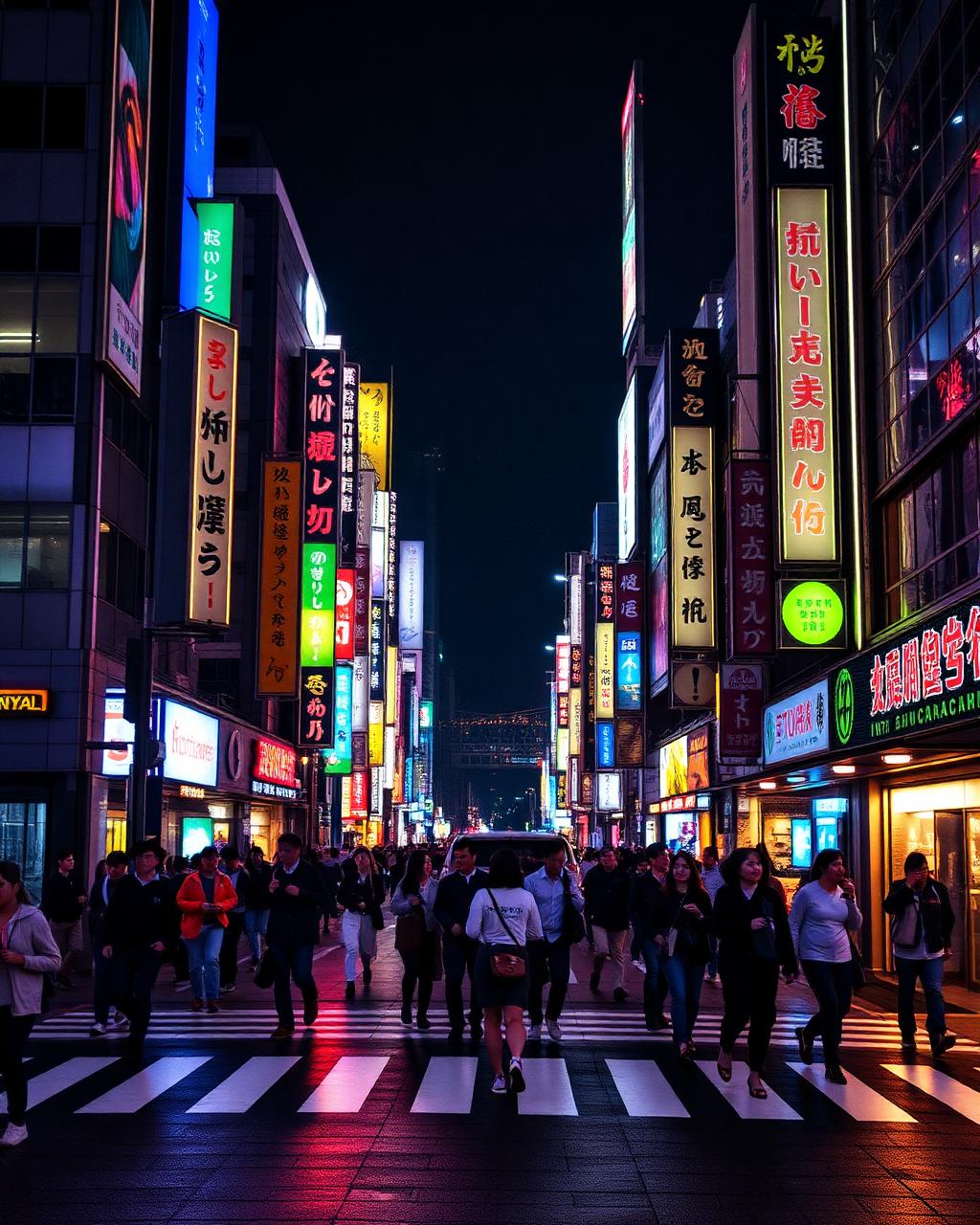
Wabu serves as the transition point where Seoul’s concrete sprawl dissolves into the riverside serenity of Namyangju. Mornings here start with the mist clinging to the Han River, best experienced along the Paldang bike paths or the steep, pine-scented trails of Mount Yebong. The district is defined by its adjacency to the historic Paldang Dam, where the air cools significantly and the scent of grilled spicy eel wafts from riverside restaurants. In autumn, the ginkgo trees along the neighborhood streets turn a violent gold, providing a stark backdrop to the quiet residential pockets. Travelers trade city bustle for slow-cooked duck stews and evenings spent around tabletop grills under the stars, watching the reflection of the riverside lights ripple against the dark water as the metropolitan skyline fades into a distant memory.
Best time to visit Wabu
The best time to visit Wabu is generally summer for easier access, or winter for dramatic light and solitude. Peak season pushes prices and crowds up; shoulder season is almost always the smarter trade-off — you'll find the same restaurants open, the same scenery, and noticeably better hotel value on Booking.com.
How to get to Wabu
Wabu is in South Korea, Asia. Long-haul connections route through Singapore, Bangkok, Tokyo, Seoul or Dubai, with onward short-hauls to the rest of the region. Once you arrive, allow a day to settle in — most travellers underestimate jet lag and over-pack day one.
Things to do in Wabu
Plan your days around hiking, wildlife spotting, scenic drives and photography. Build in at least one slow morning; the best memories rarely come from packed itineraries.
Where to stay in Wabu
On Booking.com, properties in Wabu start from around $185 per night. Filter by guest review score (8.5+), free cancellation, and your preferred neighbourhood. Booking close to the centre saves transit time and almost always pays for itself in extra hours actually enjoying Wabu.
Wabu travel FAQs
- When is the best time of year to hike the Mount Yebong trails?
- Late October to mid-November offers the most stable weather and vibrant foliage, avoiding the heavy humidity of summer. If you prefer crisp air and clear views of the Han River, early April provides a brief window of cherry blossoms along the lower elevations.
- What is the most efficient way to access Wabu from central Seoul?
- Take the Gyeongui-Jungang Line to Deokso Station or Paldang Station, which places you directly at the trailhead entries and riverside paths. While buses are available, the train avoids the frequent weekend traffic congestion on the 6-reung expressway.
- Where should I book accommodation for an outdoor-focused stay?
- Look for residential guesthouses or 'pensions' near the Paldang riverside rather than the high-rise apartments in central Deokso. Many of these smaller properties offer private balconies and outdoor barbecue facilities specifically designed for fireside dinners.
- Is there a specific local dish I should try after a day of hiking?
- Wabu is famous for its spicy stir-fried eel and handmade buckwheat noodles (makguksu), often served in cold, tangy broth. These are staple meals for hikers returning from the ridges and are best enjoyed at the open-air eateries near the Paldang Dam.