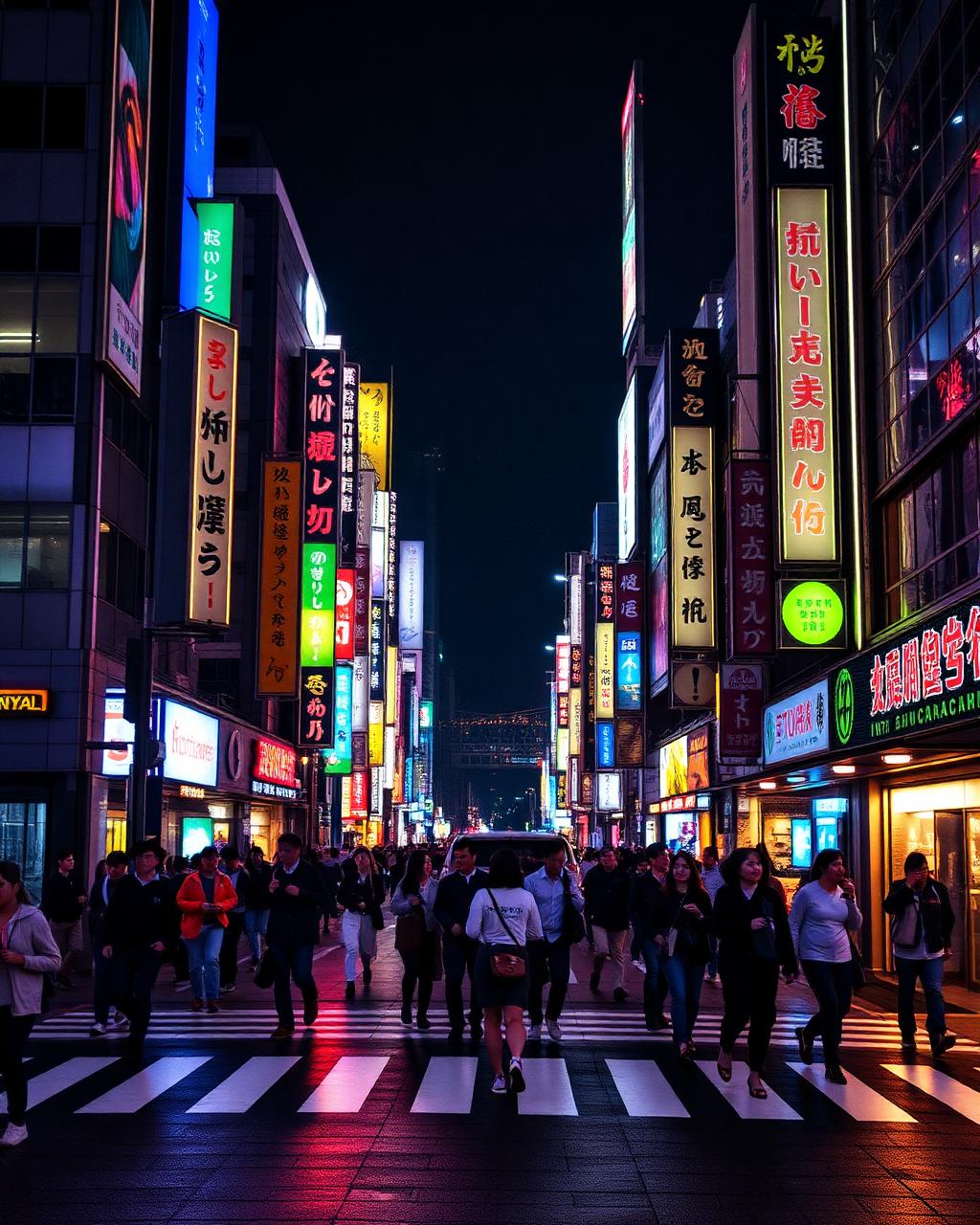
Yeongju
Where you trade screen time for skylines made of peaks.
In Yeongju, the digital noise of Seoul dissolves into the rhythmic chanting of Buseoksa Temple. This is the Sobaeksan foothills, where the architecture of the Goryeo dynasty meets a skyline of granite crests. You will find yourself walking the curved wooden corridors of Muryangsujeon, overlooking a sea of peaks that turn velvet purple at dusk. Down in the valley, the preservation of Museom Village offers a sensory shift; your footsteps echo on the narrow wooden bridge spanning the Naeseongcheon River. The air here carries the faint, herbal scent of red ginseng and the crisp sweetness of local apples. Whether navigating the Confucian alleys of Seonbichon or hiking trails lined with royal azaleas in spring, the pace is dictated by the sun and the seasons rather than the glow of a smartphone.
Best time to visit Yeongju
The best time to visit Yeongju is generally summer for easier access, or winter for dramatic light and solitude. Peak season pushes prices and crowds up; shoulder season is almost always the smarter trade-off — you'll find the same restaurants open, the same scenery, and noticeably better hotel value on Booking.com.
How to get to Yeongju
Yeongju is in South Korea, Asia. Long-haul connections route through Singapore, Bangkok, Tokyo, Seoul or Dubai, with onward short-hauls to the rest of the region. Once you arrive, allow a day to settle in — most travellers underestimate jet lag and over-pack day one.
Things to do in Yeongju
Plan your days around hiking, wildlife spotting, scenic drives and photography. Build in at least one slow morning; the best memories rarely come from packed itineraries.
Where to stay in Yeongju
On Booking.com, properties in Yeongju start from around $180 per night. Filter by guest review score (8.5+), free cancellation, and your preferred neighbourhood. Booking close to the centre saves transit time and almost always pays for itself in extra hours actually enjoying Yeongju.
Yeongju travel FAQs
- When is the best time to experience Yeongju's landscapes?
- Autumn, specifically late October, offers the most vivid scenery as the ginkgo trees at Buseoksa Temple turn a brilliant gold against the ancient timber structures. Spring is also exceptional for hikers, as Sobaeksan National Park becomes covered in pale pink royal azaleas and wild lilies.
- What is the most efficient way to navigate the region?
- While the KTX-Eum high-speed train connects Yeongju to Seoul in under two hours, local transport is best handled by city buses or taxis. Bus 27 is the essential route for visitors, running from the city center directly to the historic Buseoksa Temple complex.
- Where should I book my stay for an authentic experience?
- To fully disconnect, book a traditional stay in Museom Village, where you can sleep in a restored hanok on the riverbank. For more modern amenities and proximity to transport, look for boutique hotels near Yeongju Station, which serves as a central hub for dining.
- What is the definitive local dish to try?
- You must try Yeongju Hanwoo, the region's premium grade of Korean beef, which is highly regarded for its marbling and deep flavor. For a more casual bite, stop at the Jungang Market for 'Jjolmyeon,' tangy and chewy noodles that have gained a cult following among regional foodies.