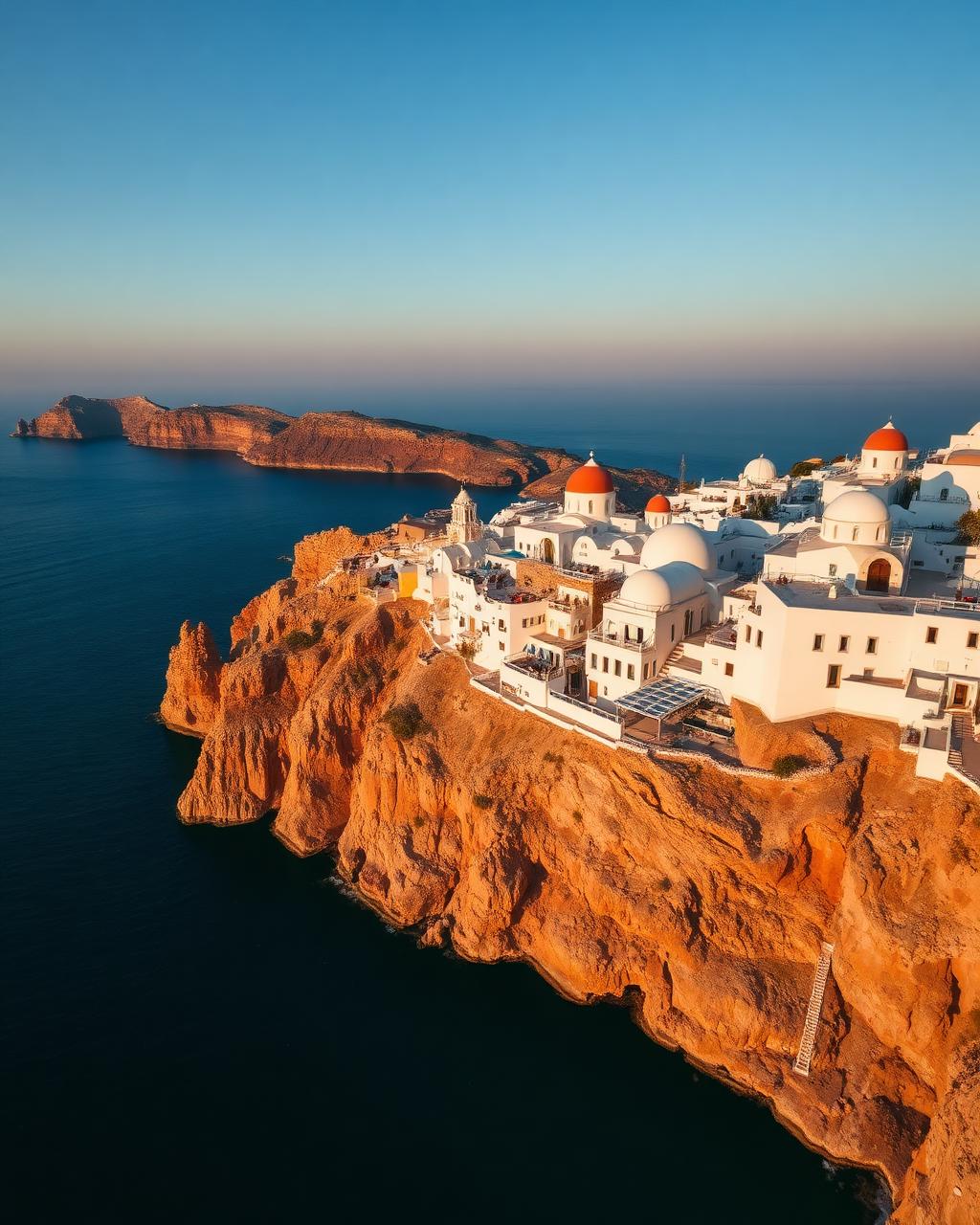
Zamora
Forest trails, lake swims and the kind of stars you forget exist.
In the shadow of the Sierra de la Culebra, Zamora transforms from a Romanesque stone museum into a sprawling wilderness where the air tastes of pine and granite. Spring sends meltwater thundering through the Tera Canyon, filling the glacial basin of Lake Sanabria with crystalline, sapphire depths perfect for bracing swims. As you move toward the Portuguese border, the Arribes del Duero reveal jagged cliffs where golden eagles circle above terraced vineyards. Evenings here are defined by the smell of woodsmoke and the sharp tang of Aliste beef grilling over open flames in remote mountain hamlets. When the sun dips below the Meseta, the light pollution vanishes, leaving a sky so crowded with constellations it feels tactile. It is a landscape defined by silence, scale, and the persistent howl of the Iberian wolf across the scrubland.
Best time to visit Zamora
The best time to visit Zamora is generally summer for easier access, or winter for dramatic light and solitude. Peak season pushes prices and crowds up; shoulder season is almost always the smarter trade-off — you'll find the same restaurants open, the same scenery, and noticeably better hotel value on Booking.com.
How to get to Zamora
Zamora is in Spain, Europe. Most major European hubs connect by direct flight or high-speed rail, with frequent low-cost options from London, Paris, Amsterdam and Madrid. Once you arrive, allow a day to settle in — most travellers underestimate jet lag and over-pack day one.
Things to do in Zamora
Plan your days around hiking, wildlife spotting, scenic drives and photography. Build in at least one slow morning; the best memories rarely come from packed itineraries.
Where to stay in Zamora
On Booking.com, properties in Zamora start from around $165 per night. Filter by guest review score (8.5+), free cancellation, and your preferred neighbourhood. Booking close to the centre saves transit time and almost always pays for itself in extra hours actually enjoying Zamora.
Zamora travel FAQs
- When is the best window for swimming and hiking in the Sanabria region?
- July and August offer the best temperatures for the high-altitude lake, though the trails are busiest then. Late September provides a crisp alternative, with thinning crowds and the beginning of the oak forests turning gold.
- Do I need a car to explore the natural parks around Zamora?
- A rental car is essential as public transport to the Arribes del Duero and Sanabria Lake is infrequent and limited to main hubs. Having your own wheels allows access to secluded trailheads and the small stone villages of the Sayago region.
- Where should I base myself for a nature-focused trip?
- Puebla de Sanabria is the ideal gateway, offering traditional slate-roofed lodgings just minutes from the Natural Park entrance. For a more rugged canyon experience, look for rural 'posadas' in Fermoselle, which sits perched over the Duero river.
- What is the local etiquette for wolf-watching tours in the Sierra de la Culebra?
- Observation must be done through licensed guides who use long-range optics to avoid disturbing the packs. Wear muted colors and maintain absolute silence at dawn and dusk lookouts, as local conservation relies on keeping the wolves' natural behavior undisturbed.