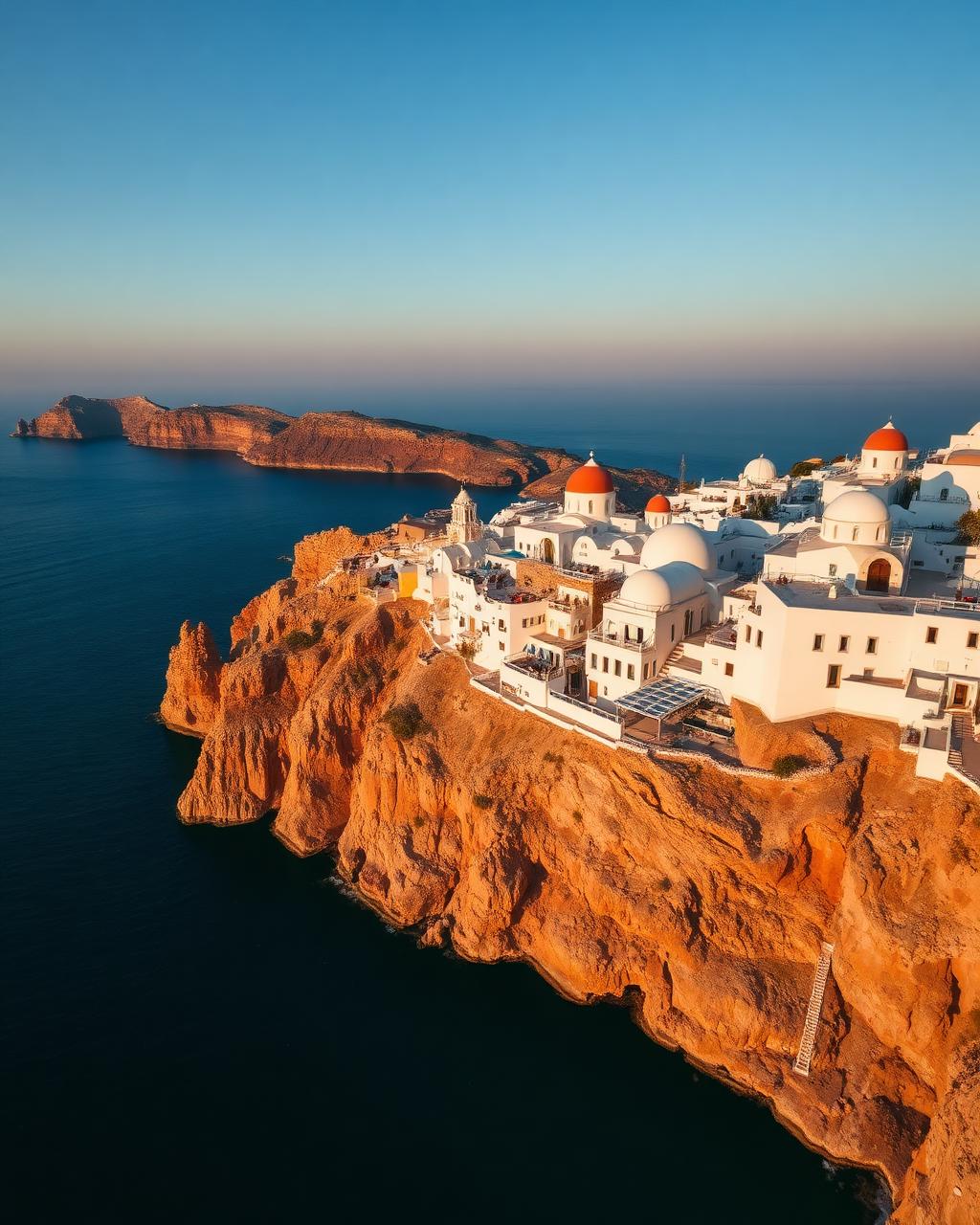
Engadine
Where the scenery does the heavy lifting.
The High Engadine is a high-altitude spectacle where the light hits differently, turning the lakes of Silvaplana and Sils into sheets of indigo silk under a razor-sharp sky. In autumn, the valley ignites as golden Larches bleed into the granite landscape, while winter brings the hollow silence of the frozen Inn river and the rhythmic scrape of skates on the black ice of St. Moritz. You spend mornings climbing the steep, cobbled alleys of Zuoz or Guarda to admire the sgraffito-etched facades of traditional houses, their deep-set windows watching the glaciers above. Local life tastes of air-dried Bündnerfleisch and the buttery, dense crunch of walnut torte, best enjoyed after a day navigating the hairpin turns of the Maloja Pass. It is a place of brutalist peaks and sophisticated calm, where the scenery does the heavy lifting.
Best time to visit Engadine
The best time to visit Engadine is generally summer for easier access, or winter for dramatic light and solitude. Peak season pushes prices and crowds up; shoulder season is almost always the smarter trade-off — you'll find the same restaurants open, the same scenery, and noticeably better hotel value on Booking.com.
How to get to Engadine
Engadine is in Switzerland, Europe. Most major European hubs connect by direct flight or high-speed rail, with frequent low-cost options from London, Paris, Amsterdam and Madrid. Once you arrive, allow a day to settle in — most travellers underestimate jet lag and over-pack day one.
Things to do in Engadine
Plan your days around hiking, wildlife spotting, scenic drives and photography. Build in at least one slow morning; the best memories rarely come from packed itineraries.
Where to stay in Engadine
On Booking.com, properties in Engadine start from around $175 per night. Filter by guest review score (8.5+), free cancellation, and your preferred neighbourhood. Booking close to the centre saves transit time and almost always pays for itself in extra hours actually enjoying Engadine.
Engadine travel FAQs
- When is the best season for photography and hiking?
- September and October offer the most dramatic visuals when the endemic larch forests turn brilliant gold against the turquoise lakes. During this window, the air is crystal clear and the heavy summer crowds have thinned, though some high-altitude mountain huts begin seasonal closures by mid-October.
- Is a rental car necessary for exploring the valley?
- The Rhætian Railway and the comprehensive PostBus network are flawlessly integrated, making a car more of a burden than an asset. Most hotels provide a guest card for free mountain railway and public transport access, allowing you to traverse from Pontresina to Scuol without worrying about tight mountain parking.
- Which village provides the most authentic atmosphere?
- Skip the glitz of St. Moritz for the Lower Engadine charm of Scuol or the preserved patrician houses of Samedan. These villages maintain the Romansh language and traditional architecture, offering a quieter, more tactile connection to the region's agrarian history.
- What is the local etiquette regarding the Romansh language?
- While German is universal, locals deeply appreciate the use of Romansh greetings like 'Allegra' for hello or 'Grazia' for thank you. It acknowledges the unique cultural identity of the Grisons canton and often opens doors to more personal service in smaller, family-run guesthouses.