Matera
Layers of history hiding in plain sight.
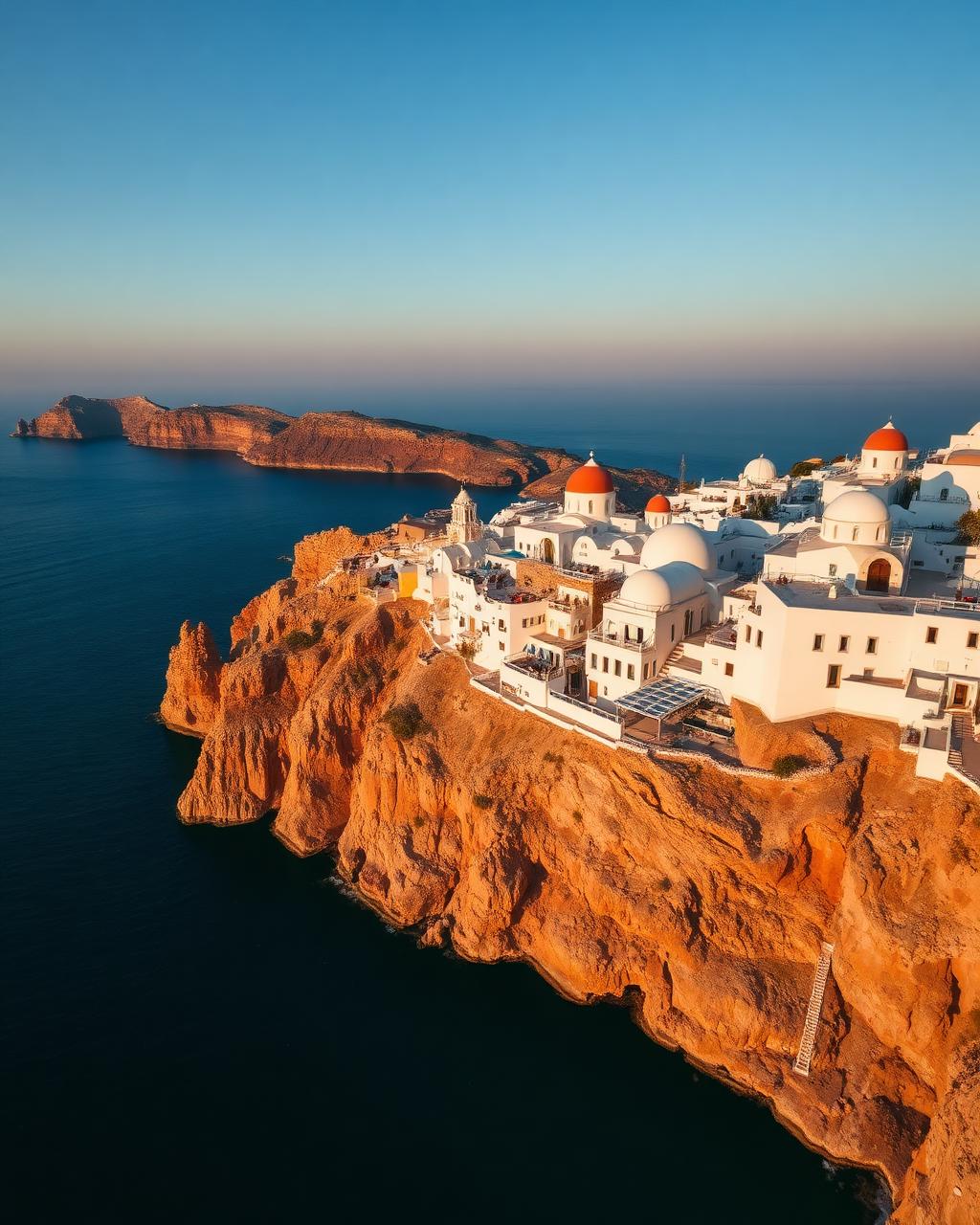
Carved into the calcarenite cliffs of Basilicata, Matera is a vertical labyrinth where prehistoric cave dwellings and Baroque facades collide. Walking through the Sassi di Matera—divided into the Sassi Barisano and the rugged Sassi Caveoso—feels like navigating a limestone honeycomb. In the pale morning light, the scent of pane di Matera, a sourdough with a dark, crunchy crust, drifts from subterranean bakeries. Beyond the rupestral churches filled with fading Byzantine frescoes, the city hums with a quiet, sophisticated energy. Evenings are best spent on a stone terrace with a glass of bold Aglianico del Vulture, watching the lights of the Murgia plateau flicker on as the swifts circle the canyon. It is a place of tactile history, where every worn step and cistern reveals a civilization built layer upon layer over millennia.
Best time to visit Matera
The best time to visit Matera is generally shoulder season (April–May, September–October) for cooler sightseeing. Peak season pushes prices and crowds up; shoulder season is almost always the smarter trade-off — you'll find the same restaurants open, the same scenery, and noticeably better hotel value on Booking.com.
How to get to Matera
Matera is in Italy, Europe. Most major European hubs connect by direct flight or high-speed rail, with frequent low-cost options from London, Paris, Amsterdam and Madrid. Once you arrive, allow a day to settle in — most travellers underestimate jet lag and over-pack day one.
Things to do in Matera
Plan your days around historic sites, museums, food tours and walking routes. Build in at least one slow morning; the best memories rarely come from packed itineraries.
Where to stay in Matera
On Booking.com, properties in Matera start from around $215 per night. Filter by guest review score (8.5+), free cancellation, and your preferred neighbourhood. Booking close to the centre saves transit time and almost always pays for itself in extra hours actually enjoying Matera.
Matera travel FAQs
- Which season offers the best balance of weather and crowd density?
- May and September are ideal, offering mild temperatures for the steep climbs and clear views of the Gravina canyon. Avoid August, when the stone reaches scorching temperatures and the narrow alleys become congested with domestic tourists.
- How difficult is it to navigate the Sassi on foot?
- The terrain is punishing, consisting of thousands of irregular stone stairs and slick limestone paths that require sturdy footwear. While a local shuttle bus links the upper city to the Sassi, the majority of the historic core is pedestrian-only and inaccessible to those with limited mobility.
- Should I book a cave hotel or stay in the 'Piano' district?
- For the authentic Matera experience, book a 'grotta' hotel in the Sassi Caveoso, which offers climate-controlled cave rooms with vaulted ceilings. The 'Piano' or upper town is better for those who prefer traditional boutique hotels, flatter streets, and proximity to the main shopping corso.
- What is the local etiquette for visiting the rupestral churches?
- Many of these rock-hewn chapels, like Santa Lucia alle Malve, are active cultural sites that require a modest dress code covering shoulders and knees. Purchase a circuit ticket at the first church to save money and gain access to the most significant fresco cycles across the UNESCO zone.